Read our natural toothbrush review to compare bamboo and plastic toothbrushes, explore eco-friendly benefits and drawbacks, and find the right brush for your needs.
A natural toothbrush is a popular choice for eco-conscious individuals who want to care for their teeth while reducing waste to the environment. Unlike conventional plastic, many natural alternatives use bamboo handles, plant materials or other resources to reduce plastic consumption.
But there’s more to choosing an eco-friendly alternative than the handle material. Brushing effectiveness, comfort, durability, and disposal instructions also matter.
A toothbrush that’s marketed as natural or biodegradable is not necessarily completely plastic-free or compostable. In this natural toothbrush review, we look at the basic features, benefits, drawbacks and value for money of nature so you can decide whether one is right for your everyday use. Since no specific brand or model was provided, this review considers the category as a whole rather than making unsubstantiated claims about a particular manufacturer’s product.
Product Overview
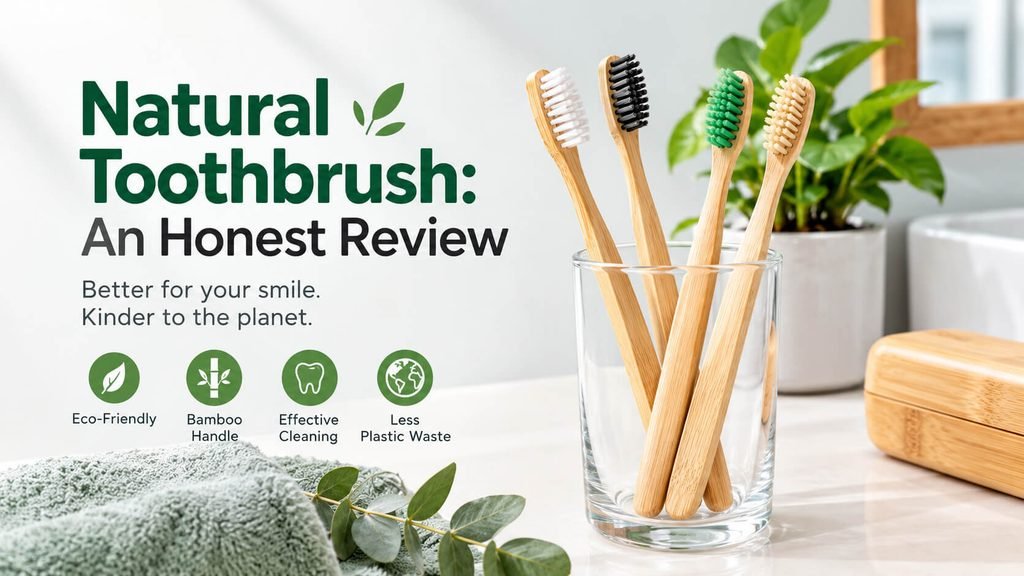
A natural toothbrush is a manual that uses alternative materials to give the user an eco-conscious option to conventional plastic. Bamboo is a popular choice for handles thanks to the lightweight yet durable nature of the wood.
Most look similar to conventional , They usually have long handles, small brush heads and bristles arranged to clean the surface and gumline of your teeth.
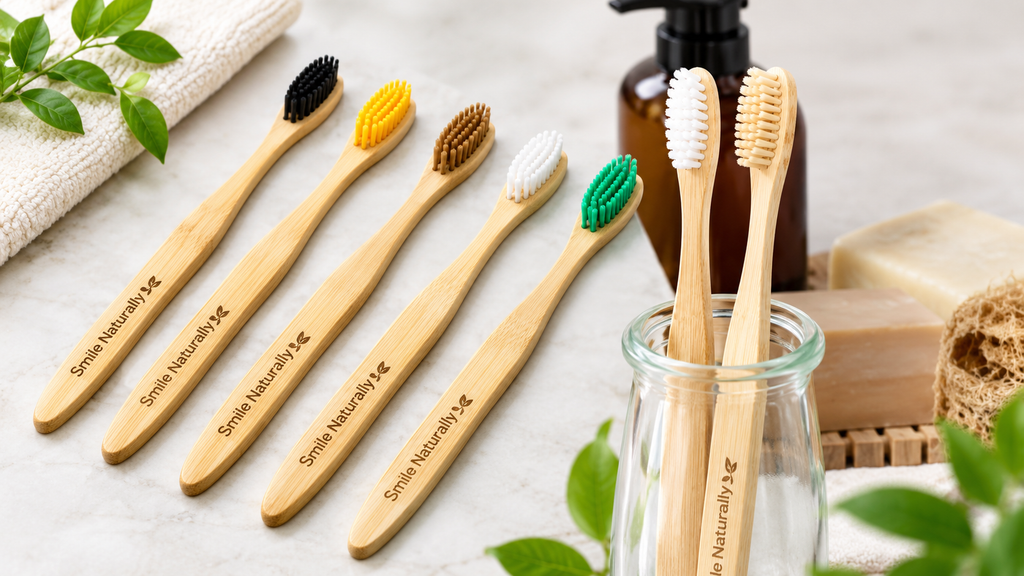
Natural Toothbrush at a Glance
A natural toothbrush serves as an eco-conscious alternative to conventional , Many styles offer a bamboo handle, minimal packaging to appeal to environmentally conscious consumers.
While bamboo is a renewable resource, the environmental impact of a toothbrush also depends on production, transportation and disposal practices.
Bamboo Toothbrushes 10 Pack: Eco-Friendly Oral Care
The bamboo toothbrushes 10 pack is a practical option for households looking to reduce plastic waste while maintaining a simple daily oral care routine. Each toothbrush is made of bamboo, offering an alternative to conventional plastic toothbrush handles. This toothbrush pack can be useful for families, couples, or individuals who prefer to keep extra brushes available.
One feature to consider is the use of plant-based bristles, which may appeal to shoppers seeking more sustainable personal care products. However, check the product specifications to confirm the bristle material and whether it is suitable for your needs. A plastic free toothbrush can help reduce plastic use, although the entire product and its packaging should be checked before purchase.
These toothbrushes 10 pack – plant-based may suit adults looking for organic toothbrushes for adults, though bamboo does not automatically mean certified organic. For sensitive teeth and gums, choose soft bristles and brush gently. While brushing supports oral hygiene and can help remove surface stains to whiten teeth, results depend on your routine and toothpaste.
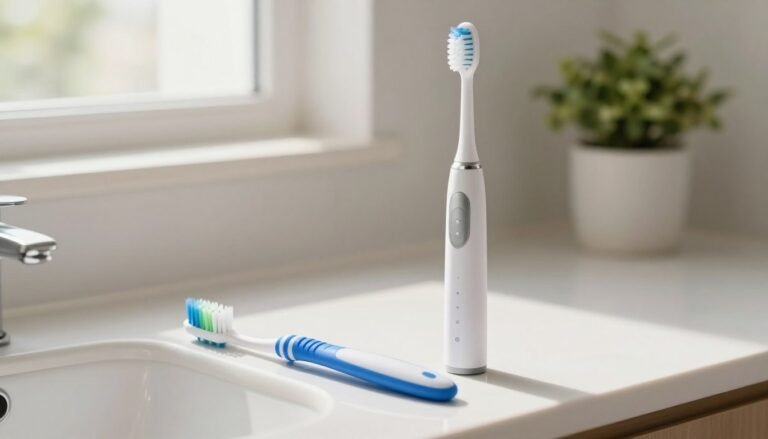
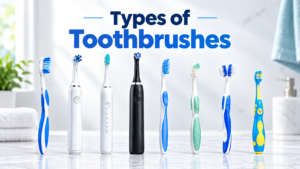
Choose the right toothbrush for effective daily oral care. A sonic electric toothbrush offers powered cleaning, while toothbrushes with boar bristles are a traditional option. Sustainable bamboo and 20 count bamboo toothbrushes provide alternatives to plastic handles. A nano-b manual toothbrush offers another manual choice, while a compostable charcoal wooden toothbrush may appeal to eco-conscious buyers. Always check bristle softness, materials, and disposal instructions before purchasing.
Key Features of a Natural Toothbrush
1. Bamboo or Plant-Based Handle
A bamboo toothbrush uses a bamboo handle instead of conventional petroleum-based plastic. Bamboo can be a renewable resource, bamboo brush but the environmental impact depends on transport, manufacturing practices and what happens to the product at the end of its life.
Look for smoothness of finish, comfort of shape and a handle that won’t crack or splinter with regular use.
2. Soft Bristles for Everyday Cleaning
Bristle softness is one of the most important considerations for a natural toothbrush. are generally recommended because they reduce the risk of damaging gums and the surface of your teeth during brushing.
Many bamboo toothbrushes have nylon bristles, so a bamboo handle does not necessarily mean a completely biodegradable toothbrush.
3. Simple, Lightweight Design
Natural toothbrushes tend to be simple toothbrushes. They do not need batteries, a power cable or replacement heads with electronic parts. eco friendly This can make them a good option for everyday use and on the go.
4. Environmentally Conscious Packaging
Some natural toothbrush manufacturers offer paper packaging or other materials instead of plastic blister packs. This can reduce unnecessary waste, but check whether the packaging is genuinely recyclable in your local waste system.
Natural Toothbrush Benefits
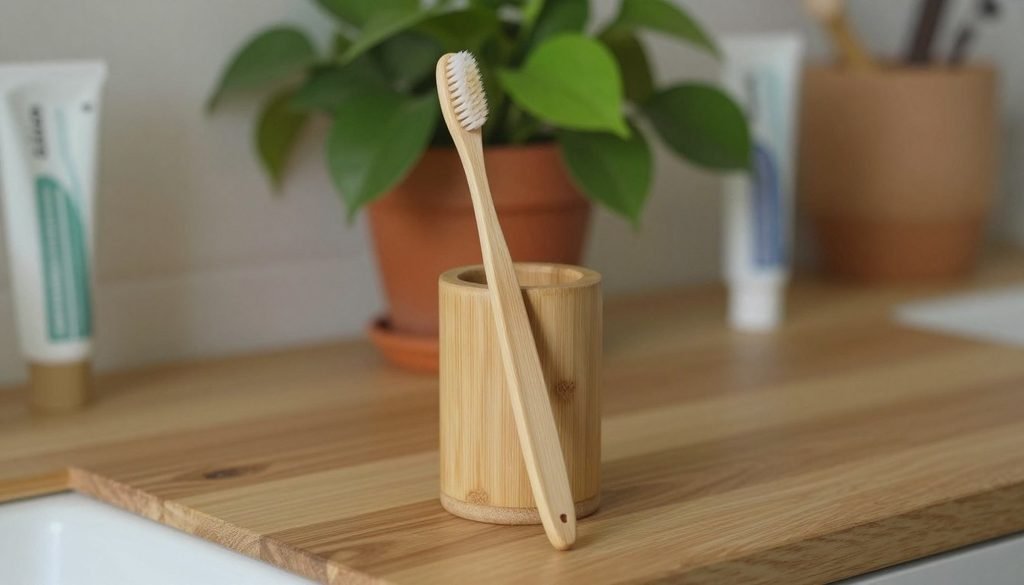
1. Helps Reduce Conventional Plastic Use
One of the main benefits of a natural toothbrush is the potential to reduce plastic consumption. Replacing a plastic handle with bamboo reduces the amount of conventional plastic used in each toothbrush.
A life-cycle assessment published in the British Dental Journal found bamboo and replaceable had relatively low environmental impacts among the toothbrushes examined, but results depend on the products and assumptions being compared.Over, results depend on the products and assumptions being compared.
2. Supports Everyday Oral Hygiene
A well-designed natural toothbrush can clean your teeth when used correctly. The key factors of bristles, an appropriately sized head, gentle brushing and regular brushing.
The handle material alone will not determine how well a toothbrush cleans your teeth.
3. Suitable for Many Adults
A natural toothbrush for adults can be a good everyday option for those who prefer a simple manual brush without electronics.
Choose a head size that can reach the back of your teeth comfortably and bristles that will not irritate your gums.
4. Offers a Simple Travel Option
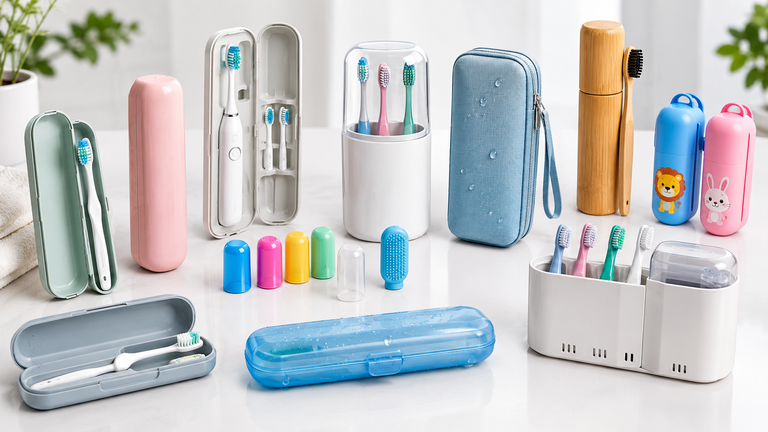
Natural toothbrushes tend to be lightweight and easy to pack. They can be useful on holidays, work trips and everyday carry, wooden toothbrush especially boar bristles when combined with a ventilated travel case to allow the brush to dry between uses.
5. Encourages More Thoughtful Purchasing
Buying a sustainable toothbrush can encourage more thoughtful purchasing by making you consider materials, packaging, natural wooden durability and disposal rather than price and appearance.
However, environmental claims should be supported by specific details about the product rather than vague statements such as “green” or “100% eco-friendly.”
Pros and Cons
Pros
- Can reduce conventional plastic handle waste.
- Bamboo is a renewable material when responsibly sourced.
- Lightweight, portable, and simple to use.
- No batteries or charging required.
- Available in soft-bristle options for everyday cleaning.
- Some models use minimal or plastic-free packaging.
Cons
- Bristles may still contain plastic.
- Bamboo handles need to dry properly to prevent deterioration.
- Disposal can be less straightforward than some product labels suggest.
- Handle texture and shape may not suit everyone.
- Some products cost more than basic toothbrushes.
- Manual brushing may be less convenient for people who need powered assistance.
bamboo toothbrush vs. Plastic Toothbrush: Which Is Better?
The best option depends on your priorities. A bamboo toothbrush may appeal to environmentally conscious consumers while a conventional toothbrush offers a familiar grip, wide availability and a lower purchase price.
| Feature | Bamboo toothbrush | Plastic toothbrush |
| Handle material | Bamboo, commonly | Conventional plastic |
| Plastic reduction | Usually better for the handle | Generally limited |
| Cleaning ability | Depends on design and technique | Depends on design and technique |
| Water resistance | Needs proper drying | Generally more resistant to moisture |
| Disposal | Depends on handle finish and bristles | Depends on local waste facilities |
| Cost | Varies by brand | Often inexpensive |
A bamboo toothbrush is worth considering if you want to reduce conventional plastic use. A conventional plastic can still be an appropriate choice if it better suits your budget or preferences. Either can support good oral hygiene when used correctly. soft charcoal bristles have toothbrush bulk which makes teeth whitening, a compostable toothbrush , so use bamboo electric toothbrush.
Who Is a Natural Toothbrush Best For?
A natural toothbrush may be a good fit for:
- Eco-conscious consumers who want to reduce plastic use in their bathroom.
- Adults aged 18–55 looking for a straightforward manual toothbrush.
- Travelers who prefer lightweight oral-care products.
- Budget-conscious sustainable shoppers who can find a suitable model at a reasonable price.
- People with sensitive gums who choose a brush use gentle pressure.
Who Should Consider Alternatives?
Consider a different for you:
- Prefer an electric toothbrush with a built-in timer or pressure sensor.
- Have limited hand mobility and find manual brushing difficult.
- Need a specialist brush recommended by your dentist for braces, gum problems, or other oral-health concerns.
- Want a fully biodegradable toothbrush but cannot verify the bristle and handle materials or suitable disposal method.
Naturals are not automatically gentler than plastic ones for people with sensitive gums. Bristle softness and brushing technique are more important than the handle material.
How to Use a Natural Toothbrush Correctly
To get the most from your follow these practical steps.
- Choose soft bristles Avoid hard bristles that may irritate your gums.
- Use fluoride toothpaste. Natural handle materials do not replace the protective benefits of fluoride toothpaste.
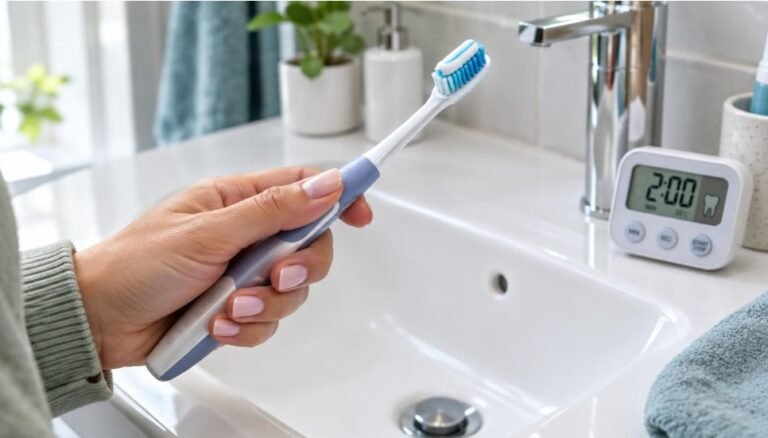
- Brush twice a day for two minutes. Clean the outer, inner, and chewing surfaces of your teeth.
- Apply gentle pressure. Use short, controlled strokes around the gumline rather than aggressive scrubbing.
- Rinse after brushing. Remove toothpaste and debris, then store the brush upright.
- Allow it to air-dry. Keep the bamboo handle in a ventilated place instead of a constantly wet container.
- Replace it regularly. The American Dental Association recommends replacing toothbrushes every three to four months, or sooner if the bristles become frayed.
- Important: Is a Natural Toothbrush Biodegradable?
Not necessarily. A biodegradable may have a bamboo handle but nylon bristles that do not biodegrade. Some products also use coatings, bristle toothbrush adhesives or other materials that affect disposal.
Before buying, check:
- Whether the handle is untreated bamboo or coated.
- Whether the bristles are nylon or a documented alternative.
- Whether the manufacturer provides clear removal and disposal instructions.
- Whether the product is certified under a relevant standard, if compostability is claimed.
Do not throw an entire compost bin unless its materials are specifically suitable for that system. Remove non-compostable components as instructed by the manufacturer.
Value for Money
A natural toothbrush can offer value if it has a comfortable handle, reliable construction and credible environmental information.
However, a higher price does not necessarily mean better cleaning performance or a smaller environmental footprint. Compare the cost per brush, pack size, durability, bristle quality and shipping costs before buying.
For example, if two toothbrushes have similar bristles and head design, the bamboo model may be worth choosing if reducing conventional plastic is a priority.
If it costs substantially more,consider whether its materials and packaging justify the difference for you. Since no specific brand or model was provided, a precise price comparison or product-specific performance rating would be unreliable.
Final Verdict: Is a Natural Toothbrush Worth Buying?
A natural toothbrush is a sensible choice for those who want a simple manual toothbrush while reducing their reliance on conventional plastic handles. Bamboo models are lightweight and practical, while options are suitable for everyday use of organic toothbrushes.
The main drawback is that “natural” does not necessarily mean completely plastic-free. Bristles, coatings, adhesives and packaging can all affect the product’s environmental credentials.
The biodegradable bamboo it always toothbrush and some time use bamboo charcoal, always people eco-friendly toothbrush, toothbrush set it most soft toothbrushes, customer reviews brush with bamboo, bpa free soft bristles toothbrush brands, oral health is organic bamboo it soft toothbrushes for adults sustainable oral care ,charcoal toothbrush always compostables charcoal wooden.
Our recommendation: Choose a natural toothbrush , comfortable head and handle, transparent material information and clear disposal instructions. Continue brushing twice daily with fluoride toothpaste and replace the brush when worn.
For most environmentally conscious adults who prefer manual brushing, a well-made bamboo is worth considering. Prioritize proven oral-care essentials and transparent product information over marketing claims.
Frequently Asked Questions
1. What is the best natural toothbrush?
The best natural toothbrush has soft bristles, a comfortable handle, suitable head size and transparent information about its materials. For those prioritizing reduced plastic use, a responsibly sourced bamboo handle is a practical starting point.
2. Are bamboo toothbrushes better than plastic toothbrushing?
Bamboo toothbrushes can reduce conventional plastic handle use. However, cleaning performance depends on the brush design and brushing technique, while environmental impact depends on sourcing, manufacturing, transport and disposal.
3. Are natural toothbrushes safe for sensitive gums?
Yes, many can be suitable for sensitive gums when they are used gently. The material of the handle does not determine gum sensitivity. If bleeding or irritation persists, consult a dental professional.
4. Are natural toothbrushes completely biodegradable?
No. Some have biodegradable or compostable handles but nylon bristles or other components that do not biodegrade under ordinary conditions. Always check the materials and disposal instructions.
5. How often should you replace a natural toothbrush?
Replace it every three to four months, or sooner if its bristles become frayed or damaged. A bamboo handle does not mean the brush should be used for longer than a conventional brush.
6. Can I use a natural toothbrush with fluoride toothpaste?
Yes. A natural toothbrush can be used with fluoride toothpaste. The handle material does not remove the need for fluoride, which helps protect teeth against decay.
7. How do you dispose of a bamboo toothbrush?
Follow the manufacturer’s disposal instructions. If the bristles or other components , separate them from the handle where practical. Do not assume the entire toothbrush belongs in a compost bin.
8. Are natural toothbrushes worth the money?
They can be worthwhile if you value reduced plastic handle use and find a comfortable, well-made brush at a reasonable price. Compare material claims, bristle quality, durability and cost rather than assuming every eco-friendly product offers the same benefits.
Get more Information about toothbrush Click here
Click here Best Manual Toothbrushes
Read more Types of Toothbrushes and Their Uses
Learn more How to Choose a Natural Toothbrush