Read our Toothbrush Review to compare top manual and electric toothbrushes, explore key features, pros and cons, and find the best option for your smile.
Your daily oral hygiene routine relies on one simple, powerful tool. A quality toothbrush removes plaque and food debris from your teeth. It helps keep your smile healthy and bright.
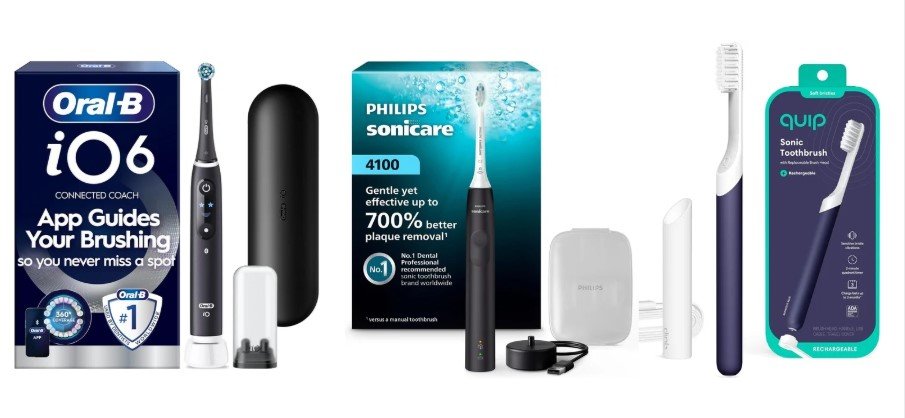
Finding the rightToothbrush Review can feel hard with so many choices. This complete toothbrush guide helps you choose based on gum sensitivity, budget, and lifestyle.
We will show you expert tips for proper brushing and effective cleaning habits. You will learn when to replace your toothbrush for optimal dental health. Let us help you choose the best brush for your mouth today.
Key Takeaways
- Understand the critical role of daily brushing in preventing plaque buildup.
- Learn how to select the perfect model for your unique dental requirements.
- Discover professional techniques to improve your brushing efficiency.
- Get clear advice on how to sanitize and maintain your oral care tools.
- Find out the exact timeline for replacing your brush to avoid bacteria.
What Is a Toothbrush and Why Does It Matter?
Whether you use a manual toothbrush or an electric toothbrush, it helps defend against oral decay. At its core, a toothbrush is a handheld or powered tool with bristles. It scrubs bacteria, plaque, and food particles from your teeth and gumlines.
A steady routine is vital for long-term oral hygiene. The right tool protects your mouth from daily buildup and common dental issues.
How a Toothbrush Removes Plaque and Food Debris
Plaque is a sticky film of bacteria that forms on your teeth. If ignored, it hardens into tartar, which is much harder to remove.
Your brush works by breaking up these bacterial colonies. As bristles move across enamel, they lift debris that can cause bad breath and tooth decay.
How Brushing Supports Gum Health and Cavity Prevention
Healthy gums support a strong smile. Regular brushing stimulates gum tissue and helps prevent inflammation linked to gingivitis.
Clearing food debris also starves bacteria that produce harmful acids. This simple step offers your best strategy for preventing cavities and keeping gums healthy and pink.
What Separates a Basic Toothbrush From a Good Toothbrush
Brushes differ, and those differences can affect comfort and results. A quality brush should feel natural while reaching every corner of your mouth.
Bristle softness, handle comfort, head size, and cleaning reach of Most dental professionals recommend a soft bristle toothbrush to protect enamel and sensitive gum tissue. A comfortable, ergonomic handle helps you stay in control during your two-minute session.
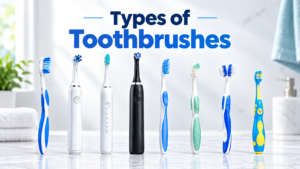
Toothbrush Types for Different Dental Needs
Choosing the right toothbrush can improve your oral health. Different mouths need different designs, so consider your dental needs.
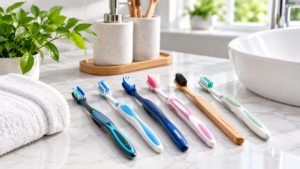
Manual Toothbrushes for Simple, Affordable Daily Care
Manual toothbrushes are simple, affordable, and reliable for daily care. They let you control brushing pressure and speed.
Soft-bristle toothbrushes for sensitive teeth and sensitive gums
If cleaning Toothbrush Review causes discomfort, soft-bristle toothbrushes can protect sensitive teeth and gums. They remove plaque without irritating gum tissue or wearing down enamel.
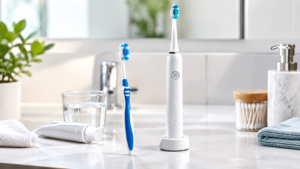
Electric Toothbrushes for Guided, Consistent Brushing
Electric models provide steady movement and make brushing easier. Many users find they clean more thoroughly in less time.
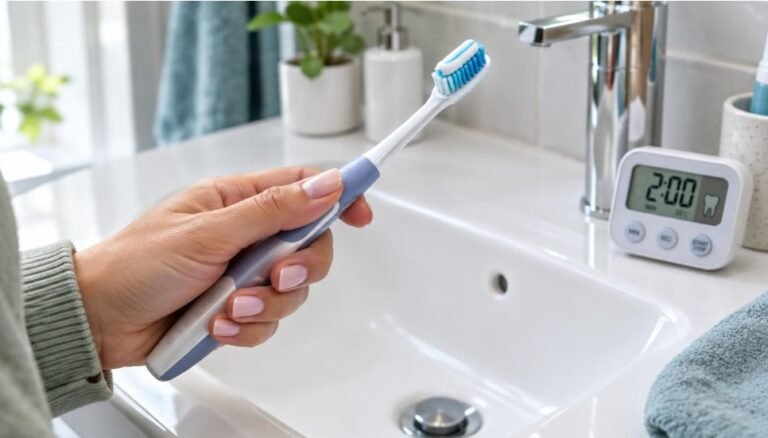
Modern rechargeable toothbrushes often have timers for the full two minutes. Pressure sensors warn you when you press too hard, protecting your gums.
Sonic toothbrushes versus rotating-oscillating toothbrushes of the sonic toothbrush uses fast vibrations to clean between teeth. Rotating-oscillating models use circular motion to scrub plaque from each tooth.
Specialized Toothbrushes for Children and Orthodontic Care
Some dental needs require tools made for special shapes and sizes. The right equipment can improve your daily hygiene.
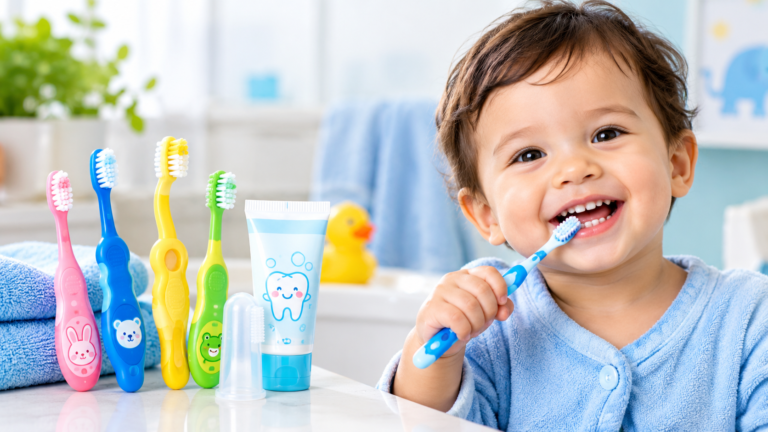
A kids toothbrush has a small head for a child’s mouth. Choosing a toothbrush for kids with an ergonomic handle helps children grip a kid’s toothbrush while learning proper habits.
When you wear braces, a toothbrush for braces helps clean around wires and brackets. Its V-shaped bristles reach under hardware and help prevent food buildup.
Eco-Friendly Toothbrushes for Lower-Waste Routines
An eco-friendly toothbrush can help reduce your environmental impact. These products use sustainable materials and aim to reduce plastic waste.
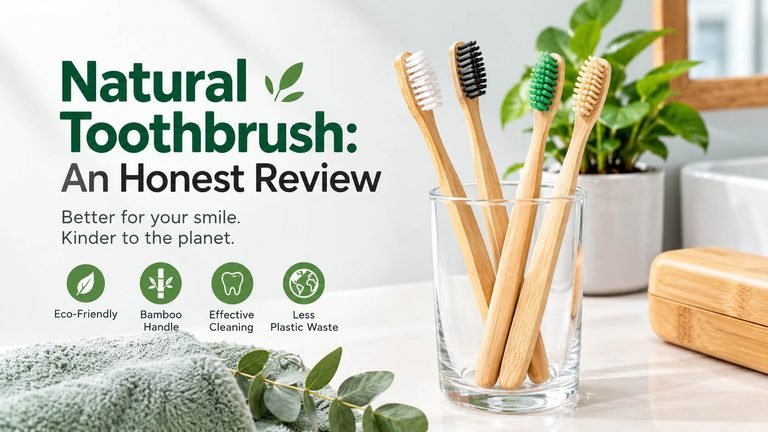
A bamboo toothbrush has a biodegradable handle and suits people seeking an eco-friendly toothbrush. Replaceable-head models let you keep the handle and change the bristles.
How eco-friendly materials affect durability, hygiene, and disposal of the sustainable materials can help the planet, Toothbrush Review but brushes must stay hygienic. Let your brush dry fully between uses to prevent mold on natural materials.
Toothbrush Comparison: Notable Manual and Electric Models
This toothbrush comparison reviews top-rated manual and electric models for your smile. Choosing the best toothbrush depends on your dental needs and lifestyle. These reviews compare popular options and explain the market.
Oral-B Pro-Health All-in-One Manual Toothbrush
Overview and key features
Discover the Oral-B Pro-Health All-in-One Manual Toothbrush, designed for deep cleaning, gum care, plaque removal, and a healthier smile.
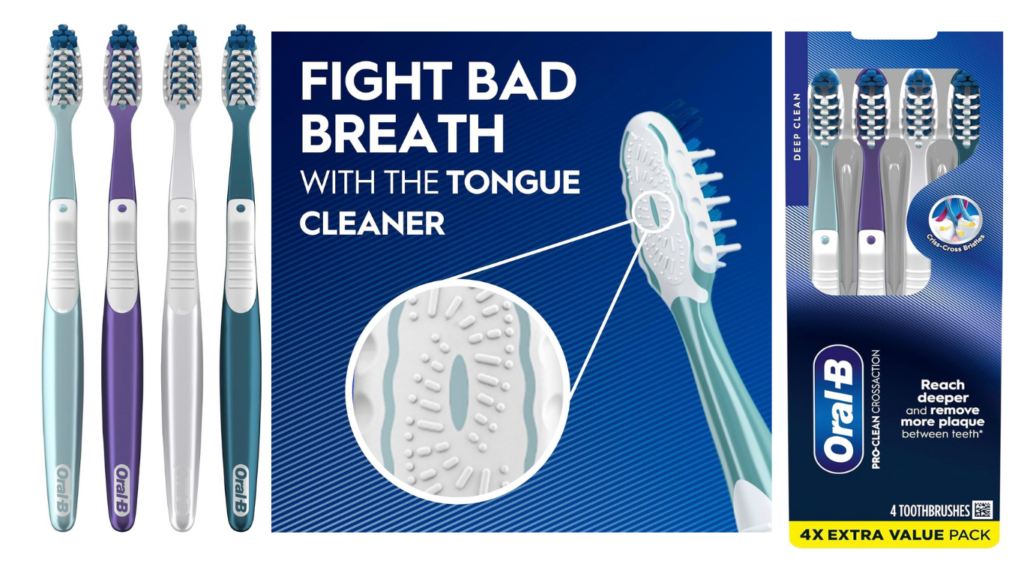
This manual brush uses several bristle types for a thorough clean. It also has a tongue cleaner and textured surfaces that remove plaque.
Pros
- Highly affordable and widely available.
- No batteries or charging required.
- Ergonomic grip for better control.
Cons
- Requires manual effort to maintain proper technique.
- Lacks the advanced plaque-removal technology of electric models.
Recommendations: who should choose this manual toothbrush
This is an excellent choice for people who prefer a simple, low-cost routine. It also suits travelers who need a reliable tool without a power source.
Pro-Health remains a staple among toothbrush brands because of its simple, effective daily care.
Philips Sonicare 4100 Rechargeable Toothbrush
Overview and key features, including the two-minute timer and pressure sensor
Discover the Philips Sonicare 4100 Rechargeable Toothbrush for powerful plaque removal, gentle gum care, and a cleaner, healthier smile every day.
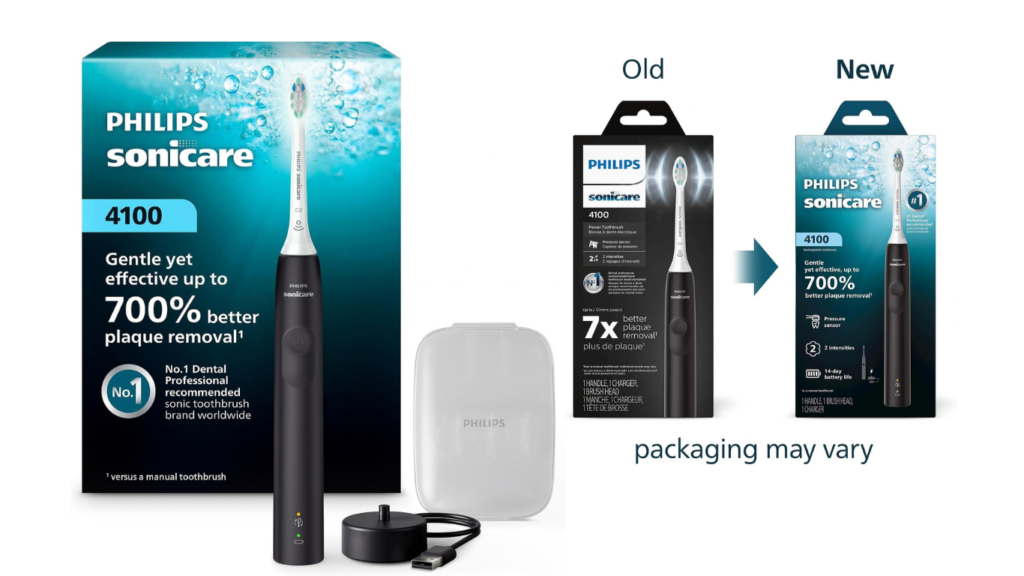
This rechargeable toothbrush uses sonic technology to break up plaque. Its built-in pressure sensor pulses when you brush too hard, helping protect your gums.
Pros
- Effective sonic vibrations for a deep clean.
- Built-in toothbrush with timer ensures you brush for the full two minutes.
- Long battery life between charges.
Cons
- Replacement heads can be more expensive than manual brushes.
- Requires a dedicated charging base.
Recommendations for first-time electric toothbrush users
This model offers a smooth upgrade from manual brushing. It is gentle yet highly efficient for daily use.
The 4100 stands out in toothbrush reviews for its simple use and protective features.
Oral-B iO Series 6 Rechargeable Toothbrush
Overview and key features, including personalized feedback and cleaning modes
The Oral-B iO Series 6 Rechargeable Toothbrush with smart pressure control, powerful cleaning, and gentle gum care for a healthier smile.
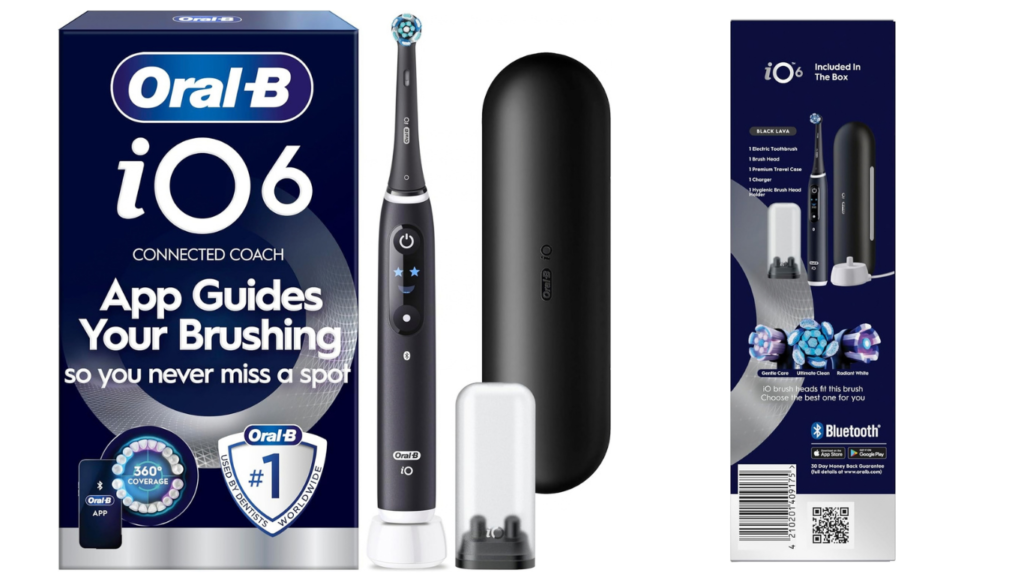
This innovative toothbrush uses magnetic drive technology for a smooth, quiet clean. It offers several modes and tracks brushing to cover every area of your mouth.
Pros
- Provides personalized feedback via an app.
- Multiple modes for sensitive teeth or whitening.
- Superior plaque removal compared to standard electric brushes.
Cons
- Higher price point than entry-level electric models.
- The handle is slightly heavier due to advanced sensors.
Recommendations for users who want advanced brushing guidance
This model suits people who want to improve their brushing technique. It is also recommended for people with braces who need detailed coverage.
For shoppers seeking the latest toothbrush features, the iO Series 6 is a top-tier investment.
Quip Rechargeable Electric Toothbrush
Overview and key features, including its travel-friendly design and built-in timer
Discover the Quip Rechargeable Electric Toothbrush with gentle sonic vibrations, the smart features, and a sleek design for a cleaner, healthier smile.
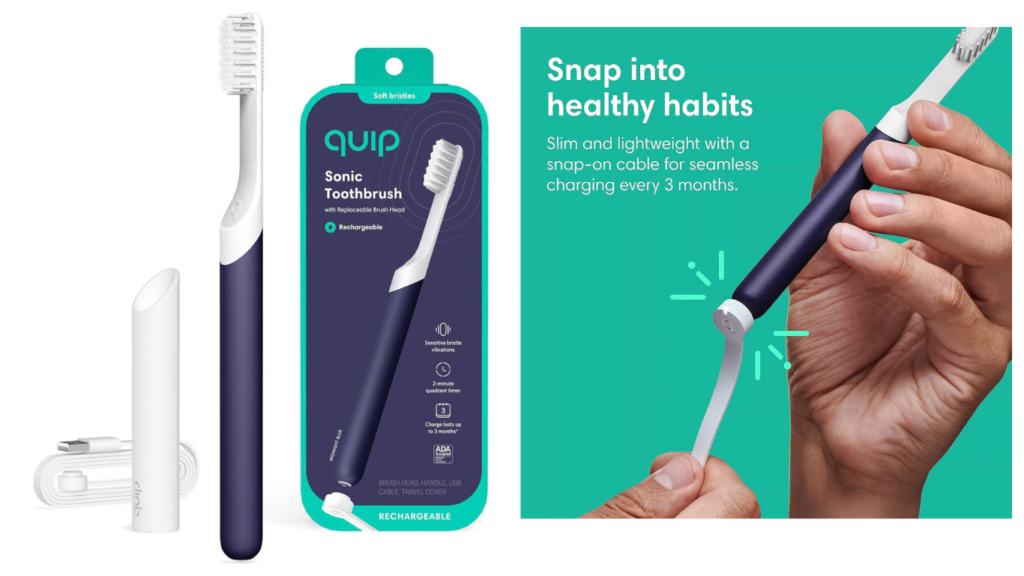
Quip has a sleek, simple design that fits easily into any travel bag. Its basic toothbrush with a timer helps keep your routine on track.
Pros
- Extremely portable and lightweight.
- Subscription service makes replacing heads convenient.
- Modern, aesthetic design.
Cons
- Vibrations are less intense than high-end sonic models.
- Lacks advanced pressure sensors.
Recommendations for minimalist routines and frequent travelers
This is the best toothbrush for people who value style and portability. It helps maintain a steady routine while traveling.
Quip offers a modern, clutter-free approach to oral hygiene.
Which Reviewed Toothbrush Offers the Best Overall Value?
| Model | Best For | Key Benefit |
| Oral-B Pro-Health | Budget-conscious | Affordability |
| Philips Sonicare 4100 | Sensitive teeth | Pressure sensor |
| Oral-B iO Series 6 | Advanced users | Smart feedback |
Best choice for a budget-conscious manual brushing routine
The Oral-B Pro-Health wins for shoppers who want reliable, low-cost care without sacrificing quality.
The Philips Sonicare 4100 is our top pick for sensitive users. Its gentle sonic vibrations and pressure sensor help protect teeth and gums.
The Oral-B iO Series 6 ranks among the best toothbrushes for its real-time guidance. This makes it ideal for complex dental needs.
How to Choose the Right Toothbrush for Your Routine
Your daily brushing routine depends on a brush that fits your mouth and sensitivity needs. The right choice protects enamel and removes plaque.
Match Bristle Firmness to Your Teeth and Gums
Why soft bristles are the safest default for most adults
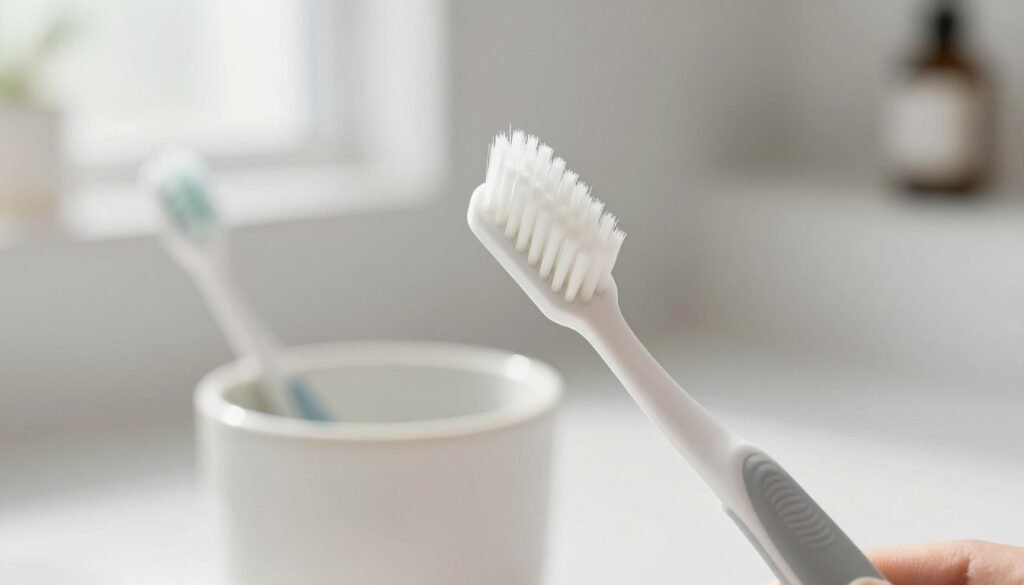
Most dental professionals recommend a toothbrush with soft bristles for most people. Hard or medium bristles may wear enamel and irritate gums over time. Soft materials clean your mouth while lowering the risk of lasting harm.
When a dentist may recommend a specialized brush, If you have certain conditions, your dentist may suggest a toothbrush for sensitive teeth. These brushes use extra-fine filaments that clean without causing pain. A toothbrush for sensitive gums may help reduce bleeding and inflammation during brushing.
Choose the Correct Brush Head and Handle
Selecting a compact head for crowded teeth or a small mouth
A compact brush head can reach back molars and tight spaces more easily. If your teeth are crowded, a smaller head offers better control and precision. It also helps clean hidden areas where food debris collects.
Choosing a non-slip handle for children, arthritis, or limited dexterity
The handle design affects how well you can brush. A non-slip, ergonomic grip helps people with arthritis or limited dexterity. Children also benefit because these handles are easier to hold while learning.
Evaluate Features Without Paying for Unnecessary Extras
Pressure sensors, replacement-head costs, battery life, and charging needs
Before buying, consider the long-term costs of your chosen model. Give priority to these essential features:
- Pressure sensors to prevent over-brushing.
- Affordable and accessible replacement heads.
- Reliable battery life for your lifestyle.
- Convenient charging options.
Whitening claims, app connectivity, travel cases, and brand support
Be wary of marketing claims that raise prices without adding real value. App connectivity and whitening claims matter less than bristle cleaning power. Spend your budget on core features, not costly accessories.
How to Use a Toothbrush Correctly
Daily brushing helps you keep a healthy, bright smile. Your tools matter, but consistent and proper application brings lasting success to oral hygiene.
Prepare Your Brush and Toothpaste
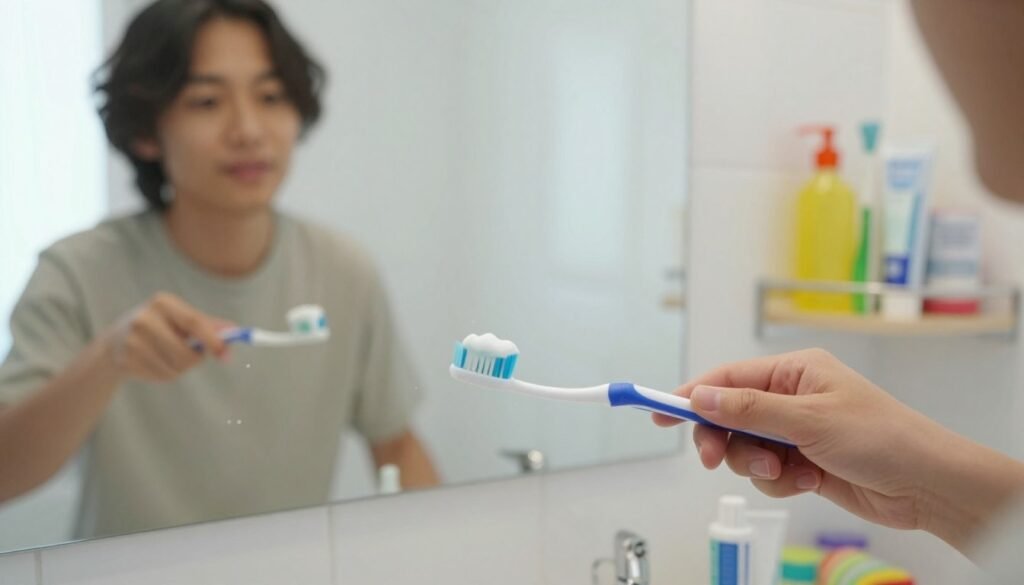
Apply a pea-sized amount of fluoride toothpaste and Put a pea-sized amount of fluoride toothpaste on your brush. Too much paste creates foam and may make you spit too soon.
Use a clean, soft-bristle brush and avoid soaking it before brushing
Choose a clean, soft-bristle brush to protect your enamel and gum tissue. Do not soak the bristles, because they may become too soft and remove less plaque.
Clean Every Surface With Gentle, Controlled Movements
Angle the bristles toward the gumline
Hold your brush at a 45-degree angle toward the gumline. This angle helps bristles reach spaces between your teeth and gums, where bacteria often hide.
Use short, light strokes on the outer, inner, and chewing surfaces of your teeth. Use Gentle pressure; hard scrubbing can cause gum recession and wear down tooth enamel over time.
If you use an electric toothbrush, let it do the work. Guide the brush head slowly from tooth to tooth without scrubbing or pressing hard.
Finish the Two-Minute Routine
For full coverage, divide your mouth into four quadrants. Spend about 30 seconds in each section so every surface receives thorough attention.s
After brushing your teeth, gently brush your tongue to remove bacteria and freshen your breath. Floss as your dentist recommends to clean spaces your brush cannot reach.
Spit the extra toothpaste into the sink. Do not rinse with water right away, because it removes concentrated fluoride that helps protect teeth from decay.
When to Replace Your Toothbrush or Brush Head
Your toothbrush is vital, but it has a limited lifespan. Over time, its materials break down, and bristles lose strength. Replace it on time to keep daily cleaning safe and effective.
Follow the Three-Month Replacement Guideline
Most dental professionals recommend replacing your toothbrush or electric brush head every three months. This schedule reflects wear from twice-daily use. It helps maintain steady plaque removal.
Do not wait three months if your brush shows damage. If bristles appear frayed, flattened, or discolored, they no longer work correctly. Replace it at once to avoid missed spots or gum damage.
Germs can remain on your brush after illness. Experts debate reinfection risk, but many suggest starting fresh. This low-cost step supports good hygiene.
After a cold, flu, or mouth infection, consider discarding your current brush. This matters more if you had oral sores or gum inflammation. Ask your dentist about lasting infections or oral health concerns.
Inspect Electric Toothbrush Heads and Manual Brushes Regularly
Check your brush often to catch wear before it harms dental health. With a manual or electric model, inspect the bristles each week. A quick check can prevent irritation during brushing.
Worn bristles cannot reach well between teeth. Bent or flat bristles may scrape delicate gums instead of cleaning teeth. Over time, this can cause gum recession and more sensitivity.
A children’s toothbrush often needs replacement sooner than an adult brush. Children may chew bristles or press too hard while learning proper technique. Check a children’s toothbrush weekly to know when it needs replacement.
| Indicator | Action Required | Frequency |
| Standard Wear | Replace Brush | Every 3 Months |
| Frayed Bristles | Replace Immediately | As Needed |
| Post-Illness | Replace Brush | After Recovery |
How to Keep Your Toothbrush Clean and Sanitary
Keeping your toothbrush sanitary helps protect your dental health. A few simple habits keep this tool effective and safe for daily use.
Rinse the Toothbrush Thoroughly After Every Use
Remove toothpaste and debris under running water
Rinse the bristles under strong tap water after brushing. This removes toothpaste, food particles, and plaque that can hold bacteria. Thorough rinsing is your first defense against germs.
Store the Toothbrush Upright in Open Air
Keep it in a toothbrush holder away from toilet spray and crowded brushes
Proper storage matters as much as brushing. Place your brush in a toothbrush holder that keeps it upright. Keep the holder far from the toilet to avoid airborne particles and family brushes to prevent cross-contamination.
Allow the bristles to dry instead of using a closed travel case continuously
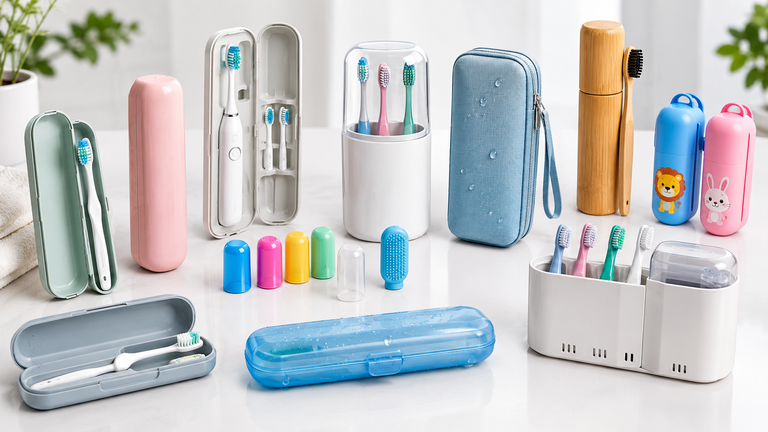
Bacteria thrive in moist places, so air circulation matters. Let the bristles dry fully between uses instead of trapping them in a closed container. Proper ventilation helps prevent germs from growing on the brush head.
Avoid Unnecessary Disinfecting Methods
Why boiling water, microwaves, dishwashers, and harsh chemicals can damage brushes
You may want to sanitize your brush with heat or chemicals, but this can cause harm. Boiling water, microwave radiation, and dishwasher cycles can melt the plastic handle or warp delicate bristles. Harsh chemicals may leave toxic residues that are unsafe for your mouth.
| Cleaning Method | Recommended | Risk Level |
| Running Water | Yes | None |
| Air Drying | Yes | Low |
| Boiling Water | No | High |
| Dishwasher | No | High |
Brushing Benefits and Common Toothbrush Mistakes to Avoid
Many people brush daily but make common mistakes without knowing it. A careful routine supports long-term dental health and helps prevent damage to your smile.
The Benefits of Brushing Your Teeth Regularly
Reducing plaque, cavities, gum inflammation, and bad breath and the Regular brushing removes food debris and sticky plaque from teeth. It breaks up bacterial colonies, lowering the risk of cavities and painful gum inflammation. It also helps keep breath fresh throughout the day.
Protecting enamel with twice-daily fluoride brushing.
Using fluoride toothpaste twice daily strengthens teeth and protects outer enamel. These toothbrush benefits work best when you keep a steady schedule. This simple habit helps defend against decay and sensitivity.
Pressing Too Hard or Choosing Firm Bristles
How aggressive brushing can contribute to gum recession and enamel wear.
Scrubbing harder may seem to clean better, but that idea is dangerous. Too much pressure or firm bristles can cause permanent gum recession and thin protective enamel. Choose a soft-bristled brush to clean well without harming your mouth.
Using the Wrong Technique or Skipping Difficult Areas
Missing the gumline, back molars, inner teeth, or orthodontic brackets,
Many people focus only on front teeth, leaving the gumline and back molars vulnerable. If you have orthodontic brackets, carefully clear debris around the hardware. Skipping these areas can cause local decay and lasting plaque buildup.
Relying on whitening toothpaste instead of improving coverage and consistency
It is tempting to choose a toothbrush with whitening feature or special paste to brighten your smile. No toothbrush with whitening properties can fix poor technique or missed spots. Improve brushing coverage first, because steady care creates a healthy, clean appearance.
Sharing, Storing, or Reusing a Toothbrush Incorrectly
Why you should never share a toothbrush, even with family members.
Sharing a brush risks exchanging harmful bacteria and viruses. Even family members need their own brush. This rule prevents cross-contamination and keeps your mouth’s environment balanced.
Why a damp, covered brush can encourage microbial growth.
A closed container can trap moisture and encourage mold and bacterial growth. Store your brush upright in an open area so it can dry completely. Proper storage matters as much as brushing.
Brushing Too Soon After Acidic Foods and Drinks
How waiting about 30 minutes can help protect softened enamel
Acidic foods and drinks, such as citrus or soda, temporarily soften tooth enamel. Brushing right after them may scrub away the softened surface. Wait at least 30 minutes so saliva can neutralize acids and remineralize your teeth.
If you notice persistent sensitivity or changes in your gums, consult your dentist for personalized advice.
Conclusion
A healthier smile starts with the simple tools you use every day. Choose a brush with soft bristles, a comfortable handle, and a head size that fits your mouth. Choose a manual brush or a high-tech device from Oral-B or Philips Sonicare for consistent cleaning power.
Keep a strict two-minute, twice-daily brushing habit to protect your enamel and gums. Replace your brush or head every three months for peak performance. Rinse your equipment thoroughly, then store it upright in an open-air spot to prevent bacterial growth.
Avoid aggressive scrubbing and ignoring your brush’s condition after an illness. Your dental health improves when your brush fits your lifestyle, budget, and orthodontic needs. Take control of your hygiene today by choosing a reliable brush that supports your long-term wellness goals.
FAQ
What is the primary purpose of a high-quality toothbrush in your oral care routine?
A toothbrush is a daily tool that breaks up plaque and removes food from teeth and gumlines. Choosing the best toothbrush for your needs helps prevent cavities, gum inflammation, and bad breath. Twice-daily cleaning also protects your enamel.
Should you choose a manual toothbrush or an electric toothbrush for sensitive gums?
Both can work well, but a rechargeable toothbrush may better help sensitive gums. Brands like Oral-B and Philips Sonicare often include built-in pressure sensors. Manual brush users should choose soft bristles to avoid irritation while removing debris.
Is there a specific toothbrush for braces or other orthodontic hardware?
Yes, a toothbrush for braces may have special bristle patterns or a smaller head for brackets and wires. For younger users, a kid’s toothbrush or specialized children’s toothbrush fits smaller mouths better. It helps prevent food particles from getting trapped.
Are bamboo toothbrushes as effective as traditional plastic models?
An eco-friendly toothbrush, such as a bamboo toothbrush, works well when it has high-quality, soft bristles. For sustainability, choose an innovative toothbrush design with biodegradable materials and durability. It should support a thorough three-month cleaning cycle.
What are the benefits of a sonic toothbrush like the Philips Sonicare 4100?
A sonic toothbrush uses high-frequency vibrations to make microbubbles that reach deep between teeth. Many toothbrush reviews name the Philips Sonicare 4100 a top choice. Its timer helps you reach the dentist-recommended two-minute brushing goal every time.
How often should you replace your manual toothbrush or electric toothbrush head?
Replace your toothbrush or brush head every three months. Replace it sooner if the bristles are frayed, flat, or discolored. Also replace your brush after recovering from a cold or flu for optimal hygiene.
Can a toothbrush with whitening properties actually brighten your smile?
The Oral-B iO Series 6 uses polishing bristles and special cleaning modes to remove surface stains. A toothbrush with whitening features cannot change your natural tooth color. It helps keep your smile brighter by stopping new stains.
What is the best way to store your toothbrush in a toothbrush holder?
After rinsing your brush under running water, store it upright in a toothbrush holder. Keep it in open air, not a closed container, so the bristles dry completely. This helps prevent bacteria and mold from growing.
Why should you avoid brushing your teeth immediately after consuming acidic foods?
Acidic foods and drinks can temporarily soften your enamel. Brushing too soon with a soft bristle toothbrush can cause early wear. This toothbrush guide recommends waiting at least 30 minutes so saliva can remineralize and harden your teeth.
Which model stands out in a toothbrush comparison for frequent travelers?
In a toothbrush comparison, the Quip Rechargeable Electric Toothbrush often ranks best for travel. Its slim design, travel cover that doubles as a mount, and long battery life make it popular. It offers electric toothbrush benefits without bulky traditional rechargeable toothbrush bases.
Are there specific features to look for in a toothbrush for kids?
When buying a toothbrush for kids, choose a small brush head and large, non-slip handle. It should fit comfortably in smaller hands. Many best toothbrushes for children include bright colors or interactive timers that keep children engaged for two full minutes of brushing.
How do you identify a toothbrush for sensitive teeth during your purchase?
Look for packaging labeled as a toothbrush with soft bristles or “extra soft.” A toothbrush for sensitive teeth has flexible bristles that clean the gumline without too much abrasive force. This matters for people with exposed roots or thinning enamel.