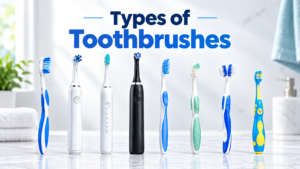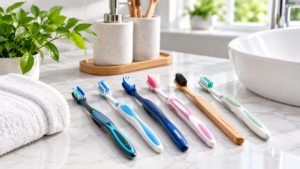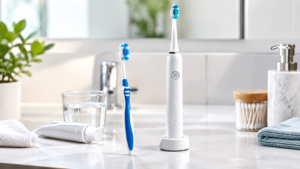
Natural toothbrush discover eco-friendly oral care benefits, types, materials, and tips for choosing the right natural toothbrush for your smile.
Did you know that over one billion plastic oral care tools are discarded in the United States each year? This waste often reaches oceans and landfills, where it can remain for centuries. Switching to a natural toothbrush can cut your personal plastic use without harming dental health.
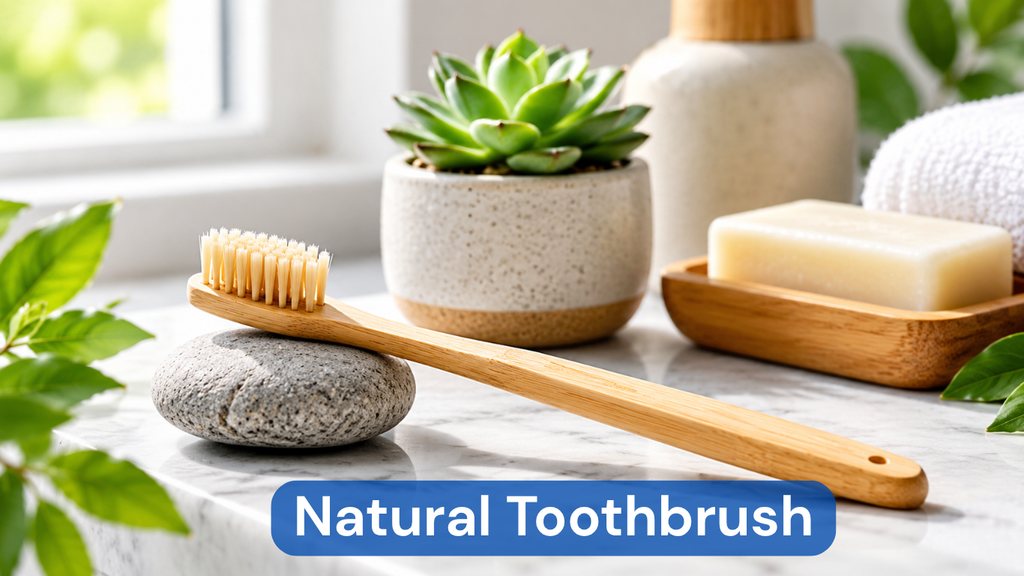
Natural Toothbrush No matter which handle material you choose, brushing twice daily is the foundation of good plaque control. Good oral hygiene protects your gums and teeth from decay. A sustainable natural toothbrush helps match your daily habits with a healthier planet.
This guide explains how to compare different materials and bristle types. It also covers sustainability claims, personal comfort, and responsible disposal. You will find the best ways to dispose of a used natural toothbrush.
Key Takeaways
- Over one billion plastic oral care tools are thrown away annually in the U.S.
- Daily brushing is the most important factor for maintaining your dental health.
- Eco-friendly handles offer a simple way to reduce your environmental impact.
- Understanding material quality helps you choose the right tool for your needs.
- Proper disposal methods ensure your sustainable choice stays truly green.
What Makes a Natural Toothbrush Different?
What separates a standard plastic brush from a modern, eco-friendly toothbrush? Many products look alike on shelves, but their handles and bristles tell different stories. Knowing these parts helps you choose a brush that fits your values.
Natural Materials Used in Toothbrush Handles
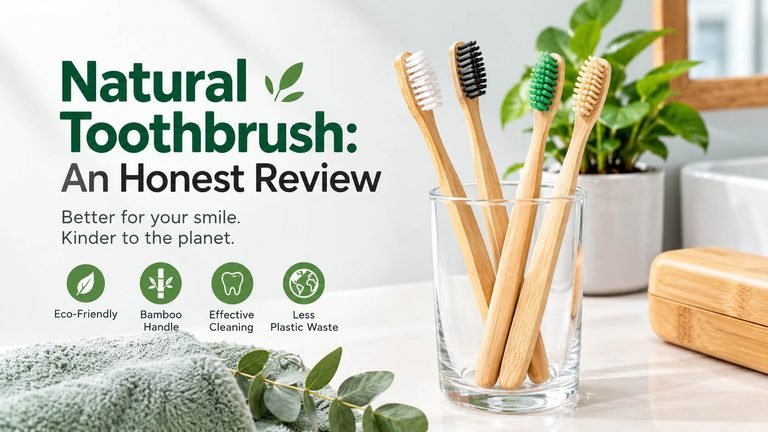
Most sustainable Natural Toothbrush options replace petroleum-based plastics with renewable resources. Bamboo is common because it is a fast-growing grass that needs little water and no pesticides. Other makers may use FSC-certified wood or plant-based bioplastics for a sturdy, compostable handle.
How Bamboo, Wood, and Plant-Based Materials Compare
Choosing the Natural Toothbrush right material depends on your preferred texture and durability. Each option offers unique benefits for daily use:
- Bamboo: Lightweight, naturally antimicrobial, and highly renewable.
- Wood: Provides a smooth, classic feel and is often sourced from managed forests.
- Plant-based bioplastics: Mimic the shape of traditional plastic while being derived from renewable starch sources.
What “Natural” Means for the Bristles
A natural toothbrush often uses a hybrid design. The handle may fully biodegrade, while bristles often use nylon or castor bean oil-based polymers. These synthetic materials are currently the most effective way to keep teeth clean and plaque-free.
Natural Bristles Versus Nylon Bristles
True natural bristles, often made from animal hair, are rare in modern dentistry because of hygiene concerns. Most eco-friendly toothbrush brands choose high-quality nylon because it dries quickly and resists bacterial growth. This balance helps reduce plastic waste without harming your oral health.
Why Material Labels Require Careful Attention
Check the packaging to learn which materials each brush part contains. Natural Toothbrush Some companies use “naturalToothbrush amazon ” as a marketing term, even when products contain hidden plastic coatings or non-recyclable glues. Reading the fine print helps ensure your natural toothbrush is as sustainable as it claims.
Natural Toothbrush Benefits for Your Daily Routine
Understanding natural toothbrush benefits shows how daily tools affect your health and the planet. An earth-friendly option can make morning and evening brushing feel more thoughtful. Your main goal stays the same: keeping a healthy smile.
A Fresh, Comfortable Brushing Experience
Many people enjoy how a wooden or bamboo handle feels in the hand. Its ergonomic design offers a soothing, tactile experience, unlike cold, hard plastic. This small change can make your two-minute brushing session feel more purposeful.
Less Plastic in Your Bathroom
Choosing plastic-free oral care can make your bathroom look less cluttered. Removing bright plastic handles creates a cleaner, more minimalist space. Your bathroom may feel more like a sanctuary than storage for disposable items.
How a Natural Toothbrush Can Support Sustainable Oral Care
Choosing a sustainable brush supports sustainable oral care. Each biodegradable handle supports manufacturing that uses renewable resources. This choice connects personal hygiene with a wider commitment to environmental health.
Why Small Routine Changes Can Reduce Household Waste
Replacing one plastic item can reduce household waste over time. You do not need to change your whole life to make a difference. Swapping your brush every few months keeps several plastic handles from landfills each year.
Your technique still affects how well your routine works. Brushing twice daily remains most important for dental health, whatever material you choose.
| Feature | Plastic Toothbrush | Natural Toothbrush |
| Material Source | Petroleum-based | Renewable plants |
| Handle Feel | Smooth, synthetic | Textured, organic |
| Waste Impact | High (non-recyclable) | Low (compostable) |
| Visual Style | Industrial | Minimalist |
How a Bamboo Toothbrush Can Reduce Plastic Waste
Switching to a bamboo toothbrush can lower your daily plastic footprint. It replaces a plastic handle with a plant-based option and cuts non-recyclable landfill waste each year.
Why Bamboo Is Popular in Eco-Friendly Toothbrushes
Bamboo is popular because it is a rapidly renewable resource. It grows very fast without harmful pesticides or much irrigation. That makes it more sustainable than petroleum-based plastics, which can remain for centuries.
Understanding the Biodegradable Toothbrush Claim
Many brands call their products a biodegradable toothbrush, but this claim needs care. Often, only the handle is biodegradable because it uses organic material. Check product details to learn whether the whole brush or only some parts are compostable.
Which Parts Can Be Composted or Reused
Remove the bristles, then place the bamboo handle in a home compost bin. You can reuse the handle as a gardening marker or to clean small household crevices. Giving your brush a second life helps you use it fully before it returns to the earth.
Why Bristles and Packaging May Need Separate Disposal
Most bristles use nylon, so they are not biodegradable and must be removed before composting. Some brushes also use non-toxic adhesives or coatings that may not break down in standard compost. Check the packaging for disposal instructions so you handle waste correctly.
What to Know About Bamboo Sourcing and Manufacturing
Not all bamboo is equal, so choose brands that support ethical sourcing. Sustainable manufacturing means harvesting bamboo without harming local ecosystems or wildlife habitats. Companies that explain their supply chains help you make an informed choice for your home.
How a Bamboo Toothbrush Fits Into Zero-Waste Dental Products
Adding a bamboo brush to your routine helps build a collection of zero waste dental products. True sustainability also means examining toothpaste tubes and floss containers. Viewing oral care as a holistic practice helps you find more ways to cut your environmental impact over time.
Choosing Safe and Effective Bristles for Your Smile
Choosing the right balance of comfort and cleaning power begins with knowing your bristle options. The handle gets much attention, but bristles touch your teeth and gums each day.
Soft Bristles for Gentle Cleaning
Most dental professionals recommend soft bristles for most people. They clean well without causing needless enamel wear or irritating delicate gum tissue.
When a Natural Bristle Toothbrush May Not Be Right for You
A natural bristle toothbrush is appealing, but it may not suit everyone. Natural fibers can be more porous than synthetic ones, which may allow bacteria to grow faster without proper drying. If maximum hygiene and durability matter most, high-quality synthetic options may fit your lifestyle better.
Vegan Alternatives to Animal-Based Bristles
Many eco-conscious consumers avoid animal materials such as boar hair. Fortunately, excellent vegan alternatives include castor bean oil-based nylon. These materials offer the same cleaning efficiency as traditional nylon and remain plant-based and cruelty-free.
How Bristle Shape and Density Affect Plaque Removal
Bristle arrangement greatly affects how well you reach tight spaces between teeth. More bristles usually provide a deeper clean, while tapered or multi-level bristles can reach crevices where plaque often hides.
Why Firm Bristles Can Irritate Gums and Enamel
Many people wrongly believe firmer bristles clean better. Firm bristles, especially with excessive pressure, can cause gum recession and slowly wear away protective enamel. Use a gentle touch to help keep your smile healthy for years.
When to Ask Your Dentist About Bristle Type
If you have braces, gum disease, or extreme sensitivity, ask your dentist before switching brushes. They can advise whether a natural bristle toothbrush or a specific synthetic design best suits your oral health needs.
How to Find the Best Natural Toothbrush for You
Selecting the perfect tool for your daily routine means looking beyond the surface. When you seek the best natural toothbrush, check each part to match your health and sustainability needs.
Check the Handle, Bristles, and Packaging Separately
A sustainable handle does not make the whole product eco-friendly. Check the bristles for quality, and see whether the package is plastic-free or compostable. Small details can show the product’s true environmental impact.
Look for Clear Material and Sourcing Information
Clear information shows a brand’s quality. Look for labels that name the wood or bamboo type and show where the bristles come from. Reliable companies provide detailed sourcing information to support informed choices.
Choose a Brush That Fits Your Mouth and Brushing Style
Your comfort matters as much as environmental benefits. If you have a smaller mouth, look for a compact head to reach back molars easily. A brush that feels too large may cause ineffective cleaning, even when it is sustainable.
Consider Organic Toothbrush Marketing Carefully
The term organic toothbrush often appears in marketing, but it may not mean every part is certified. Look beyond buzzwords to learn what the brand truly offers. Always verify the materials used during manufacturing.
Questions to Ask About Certifications and Claims
- Is the bamboo FSC-certified for responsible forestry?
- Are the bristles BPA-free and made from plant-based nylon?
- Does the company provide third-party verification for their claims?
Compare Durability, Comfort, and End-of-Life Disposal
The best natural toothbrush should combine good performance with a responsible life cycle. Consider how long the bristles keep their shape and how to dispose of the handle when it wears out. Use the table below to compare your options.
| Feature | Bamboo Handle | Plant-Based Bristles | Packaging |
| Durability | High | Moderate | N/A |
| Comfort | Ergonomic | Soft/Medium | Minimalist |
| Disposal | Compostable | Waste/Recycle | Recyclable |
| Sourcing | Sustainable | Renewable | Plastic-Free |
Using and Caring for a Sustainable Toothbrush
Caring for your new brush helps keep your smile bright and healthy. Choosing a sustainable toothbrush supports a healthier planet. Simple habits keep the brush in good shape and support your oral health.
Brush Gently for Two Minutes Twice a Day
Heavy pressure is not needed for effective cleaning. Brush for two full minutes, twice a day, using gentle, circular motions. Too much force can hurt your gums and wear down bristles faster.
Rinse and Air-Dry Your Toothbrush After Use
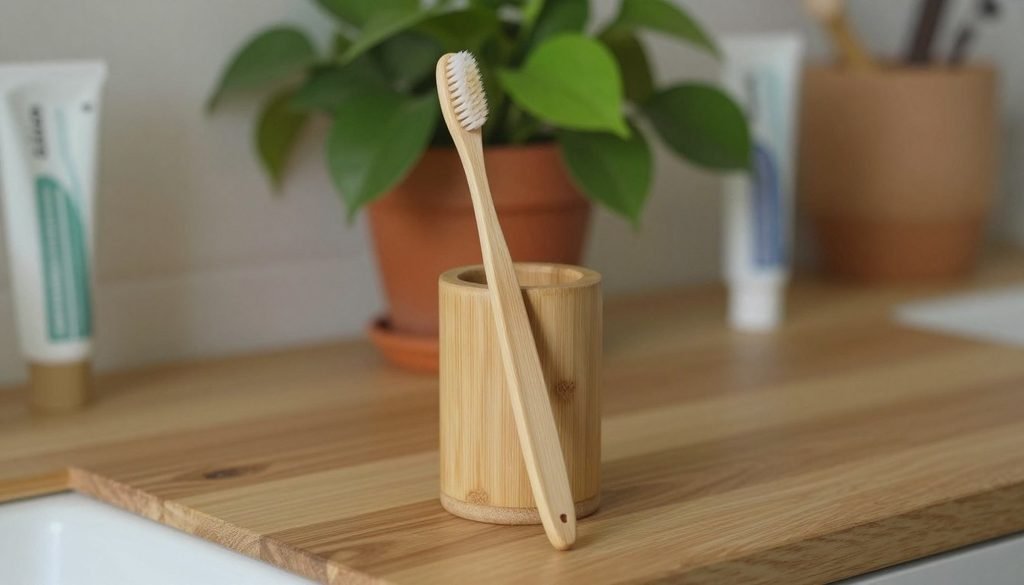
After brushing, rinse the head under running water to remove toothpaste and debris. Shake off extra water before placing the brush in its holder. Let it air-dry completely between uses to help prevent unwanted bacteria.
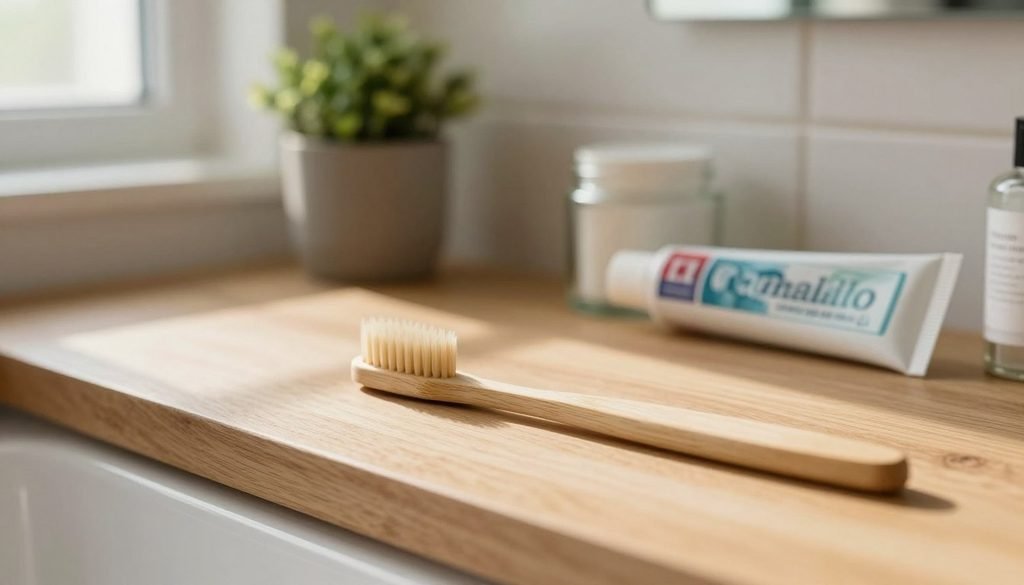
Keep Your Wooden Toothbrush Clean and Dry
For a wooden toothbrush, keeping moisture away is especially important. Wood is natural and porous, so it absorbs water in damp places. Keep the handle dry to protect its structural integrity and prevent softening or deterioration.
Store Your Brush Away From Shared Bathroom Contaminants
Where you store your brush matters as much as how you use it. Keep it upright in a well-ventilated area, away from the toilet and bathroom spray. Good airflow is the best way to keep it clean and ready.
Replace Your Toothbrush When the Bristles Fray
Even a durable wooden toothbrush will eventually wear out. Replace it every three months, or sooner when you see serious wear. A worn brush removes less plaque and may harm delicate gum tissue.
Signs Your Brush No Longer Cleans Effectively
Watch the bristles to know when you need a fresh brush. Look for these common signs:
- The bristles have started to fray, bend, or spread outward.
- The bristles have lost their original shape and firmness.
- You notice a buildup of residue that does not rinse away easily.
Disposing of a Plastic-Free Toothbrush Responsibly
Protecting the planet means thinking about how you discard daily hygiene products. Choosing a plastic-free toothbrush helps sustainability, but your work continues after its bristles wear out. Proper disposal helps your waste-cutting efforts make a positive impact.
Separate the Bristles From the Handle When Possible
Most bamboo brushes have nylon bristles that do not biodegrade, so use pliers to pull them from the head. This simple action lets you recycle nylon separately or put it in regular trash. It keeps the handle clean for composting.
Compost or Repurpose the Handle Only When Appropriate
After removing the bristles, the wooden or bamboo handle is often compostable. First, make sure it has no synthetic coatings or wax finishes that could stop decomposition. If unsure, check the manufacturer’s packaging to see if the wood is safe for your home compost bin.
Why Local Waste Rules Matter
Your local municipality decides how organic materials are processed in your area. Some cities accept bamboo in green waste bins, while others send it to landfills. Check your local waste management website to learn whether your zero-waste toothbrush handle qualifies for industrial composting.
Creative Second Uses for a Bamboo or Wooden Toothbrush
Before tossing the handle, give it a second life around your home. These sturdy tools work well for tasks that need a little scrubbing power. Here are a few ways to repurpose them:
- Scrubbing grout lines in your bathroom or kitchen tiles.
- Cleaning hard-to-reach corners of your computer keyboard.
- Labeling your garden herbs by writing on the handle with a marker.
- Polishing jewelry or small household trinkets.
How to Avoid Treating Every Sustainable Toothbrush as Fully Zero Waste
It is important to stay realistic about the products you use. Even a zero-waste toothbrush may contain hidden elements like metal staples, non-compostable adhesives, or plastic-based packaging. Always inspect your brush closely to identify which parts are truly natural and which need standard disposal methods. By staying informed, you help your eco-friendly habits remain as effective as possible.
Who Should Consider an Environmentally Friendly Toothbrush?
If you want sustainable oral care, you may wonder who benefits most from switching. An environmentally friendly toothbrush can match daily habits with personal values. Many people can use one, but lifestyle and dental goals guide the best choice.
People Reducing Single-Use Plastic at Home
These brushes suit people who want to reduce their household footprint. A bamboo or plant-based handle can lower plastic waste sent to landfills each year. It is a meaningful step for anyone pursuing a zero-waste lifestyle.
Families Building More Sustainable Oral Care Habits
Parents often seek ways to teach children about caring for the environment. A sustainable brush can make a daily chore a teachable moment about conservation. It helps families connect with the planet while keeping teeth clean.
Travelers Looking for a Lightweight Plastic-Free Toothbrush
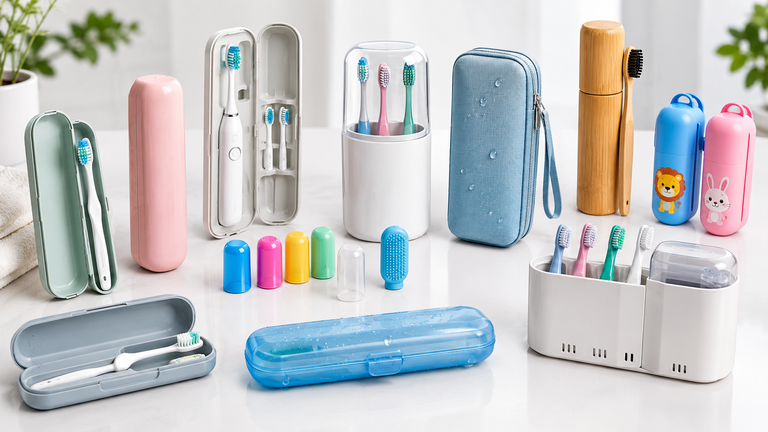
Travelers often choose these brushes because they are light and durable. An environmentally friendly toothbrush packs easily without adding bulk to luggage. Many travelers value these brushes because they are often compostable on trips with few waste disposal options.
People With Sensitive Gums or Special Dental Needs
If you have sensitive gums, natural materials may seem too harsh. Many brands offer soft, plant-based bristles that feel gentle on enamel. Check the bristle density to make sure it suits your comfort level.
When Your Dentist’s Recommendation Should Come First
Your oral health comes first. For gum disease, dental implants, or braces, your dentist may suggest a specialized brush. Always follow professional advice, even if it means using a conventional plastic brush for a specific period.
Situations Where a Conventional Toothbrush May Be More Practical
Sometimes, a conventional brush makes the most sense. You may need a head shape or handle grip found only in plastic models. If an environmentally friendly toothbrush lacks needed clinical features, it is fine to prioritize your dental health.
| User Profile | Primary Benefit | Key Consideration |
| Eco-conscious Homeowner | Reduced plastic waste | Disposal methods |
| Frequent Traveler | Lightweight design | Storage and drying |
| Dental Patient | Professional care | Dentist approval |
| Family Units | Educational value | Bristle softness |
Conclusion
Your daily dental routine can protect your smile and care for the planet. A natural toothbrush helps remove plaque while reducing plastic waste in your home.
Choose a brush by checking bristle quality and handle durability. Prioritize products with clear material information, such as Brush with Bamboo or Humble Co. This transparency helps you choose what fits your dental needs.
A high-quality natural toothbrush supports a clean mouth with consistent twice-daily brushing. Choose a comfortable tool that performs well against daily wear. Proper care keeps your brush hygienic until replacement time.
Small habits can create a larger impact on the environment. Choose a natural toothbrush that fits your lifestyle and supports a greener future. Focus on your gums and teeth to keep your smile bright and healthy for years to come.
FAQ
Why should I consider switching to a natural toothbrush for my daily routine?
A natural toothbrush helps maintain oral health and greatly cuts household plastic waste. Because you should brush twice daily to control plaque, a sustainable toothbrush makes both routines effective and eco-friendly. Brands like Brush with Bamboo offer comfortable options for plastic-free oral care.
What materials are typically used in a sustainable oral care product?
Most eco-conscious brands use fast-growing, renewable resources. A bamboo toothbrush is popular because bamboo is a tough grass that grows quickly without heavy pesticides. You may also find a wooden toothbrush made from beechwood or other plant-based materials, with a sturdy, comfortable grip. They are excellent alternatives to traditional plastic.
Is a biodegradable toothbrush completely compostable?
Check each brush component carefully. Though the handle of a biodegradable toothbrush is often fully compostable, its bristles are often nylon-6 for hygiene and effective cleaning. For zero waste dental products, remove the bristles with pliers and dispose of them separately before composting the handle.
What are the primary natural toothbrush benefits for my gums and enamel?
Natural toothbrush benefits include minimalist design and soft bristles that feel gentle on your smile. A high-quality eco-friendly toothbrush reaches every mouth area without the harsh feel of cheap plastic brushes. It supports a healthy, sustainable oral care habit.
How does a natural bristle toothbrush compare to synthetic options?
A traditional natural bristle toothbrush often uses animal hair, such as boar bristles. These bristles biodegrade, but many modern users prefer consistent, hygienic BPA-free nylon bristles. For vegan and plastic-free oral care, choose bio-based nylon bristles from castor oil, balancing sustainability and clinical effectiveness.
How can I identify the best natural toothbrush for my needs?
To find the best natural toothbrush, check clear labels for the handle, bristles, and packaging. Check whether brands, such as The Humble Co., use FSC-certified wood or bamboo. Choose a head that fits comfortably, reaches back molars, and has soft or medium bristles to protect enamel.
What does the term organic toothbrush actually mean?
An organic toothbrush usually describes how its handle material was grown, such as bamboo grown without synthetic fertilizers or pesticides. Although the “organic” label suggests responsible sourcing, verify the bristles and packaging recyclability for zero-waste toothbrush products.
How do I properly care for my wooden toothbrush to keep it hygienic?
Wood and bamboo are natural, porous materials, so they need more care than plastic. Rinse your wooden toothbrush thoroughly, pat it dry, and store it in an open-air holder. Avoid closed cabinets or cups where water pools; dryness prevents darkening and keeps your plastic-free toothbrush clean until replacement.
When should I replace my environmentally friendly toothbrush?
Replace your environmentally friendly toothbrush every three months, or sooner if its bristles become frayed or flared. Worn bristles cannot remove plaque effectively. Repurpose the old handle as a garden stake or cleaning tool to extend its zero-waste life.
Can I use an eco-friendly toothbrush if I have sensitive teeth or braces?
Yes! Many sustainable oral care brands offer specialized designs. If you have braces or special dental needs, follow your dentist’s advice on bristle shape and head size. Choose a natural toothbrush with a small head and very soft bristles for orthodontic brackets and plastic-free care.