Looking for the best Kids toothbrush? Read expert baby toothbrush reviews, compare top-rated options, and discover safe, gentle brushes designed to support your child’s healthy smile.
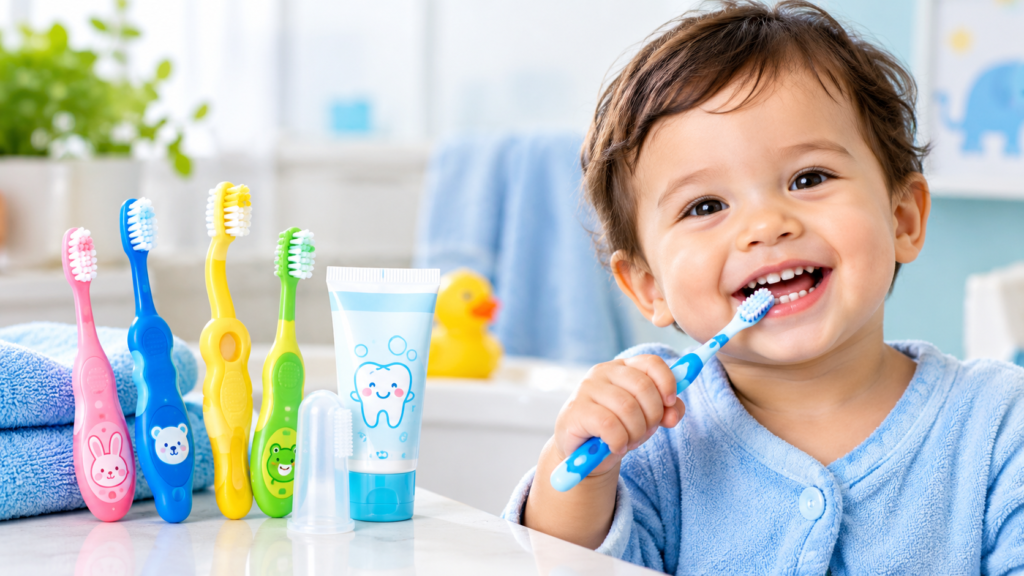
Your baby’s first teeth need real care from day one and picking the right tool makes a bigger difference than most parents expect. This guide is for new parents, caregivers, and anyone shopping for the best Kids toothbrush but feeling overwhelmed by the options on store shelves.
We’ve done the research so you don’t have to. Here’s what we’re walking through:
- What separates a good Kids toothbrush from a bad one including soft bristle quality, handle design, and safety features
- An honest look at the most popular types, from the baby finger toothbrush to the baby training toothbrush
- Real reviews of the best toothbrushes for babies and toddlers currently available, so you can skip the guesswork and just grab what works
By the end, you’ll know exactly what to look for, what to avoid, and which brush is the right fit for your baby’s age and comfort level. Let’s get into it.
Why the Right KidsToothbrush Matters for Early Dental Health
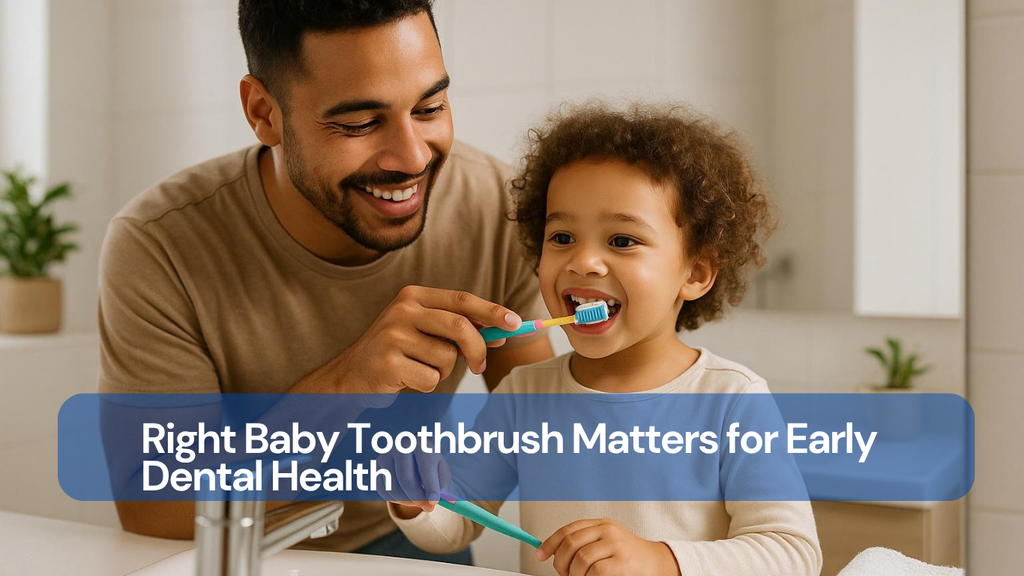
How Early Brushing Habits Shape Long-Term Oral Health
Starting dental care early does more than just clean tiny teeth it builds habits that stick for life. Babies who get used to brushing early are far more likely to accept it as a normal routine as toddlers and beyond. Even before the first tooth appears, wiping gums with a soft cloth sets the stage for a smooth transition to a kids training toothbrush or baby finger toothbrush.
Common Dental Problems in Babies and How to Prevent Them
Baby teeth aren’t just placeholders they guide jaw development and speech. The most common issues include:
- Baby bottle tooth decay : caused by prolonged exposure to sugary liquids
- Early cavities : often from inconsistent brushing
- Gum sensitivity : which can make babies resist brushing altogether
Using a soft bristle Kids toothbrush twice daily dramatically cuts these risks.
What Pediatric Dentists Recommend for Infant Oral Care
Most pediatric dentists suggest:
- Start brushing as soon as the first tooth appears
- Use a rice-grain amount of fluoride toothpaste from 12 months
- Choose a best Kids toothbrush with an ergonomic handle and ultra-soft bristles
- Schedule the first dental visit by age one
Key Features to Look for in a Baby Toothbrush
Soft Bristles That Protect Delicate Gums
A soft bristle baby toothbrush is non-negotiable. Newborn gums and emerging teeth are extremely sensitive, and firm bristles can cause irritation or even damage. Always look for brushes labeled “extra-soft” or “ultra-soft” these clean effectively without causing discomfort that might make your baby dread brushing.
Handle Design That Ensures a Safe and Comfortable Grip.
Babies have tiny hands, and parents are often brushing their teeth. A good handle should work for both scenarios:
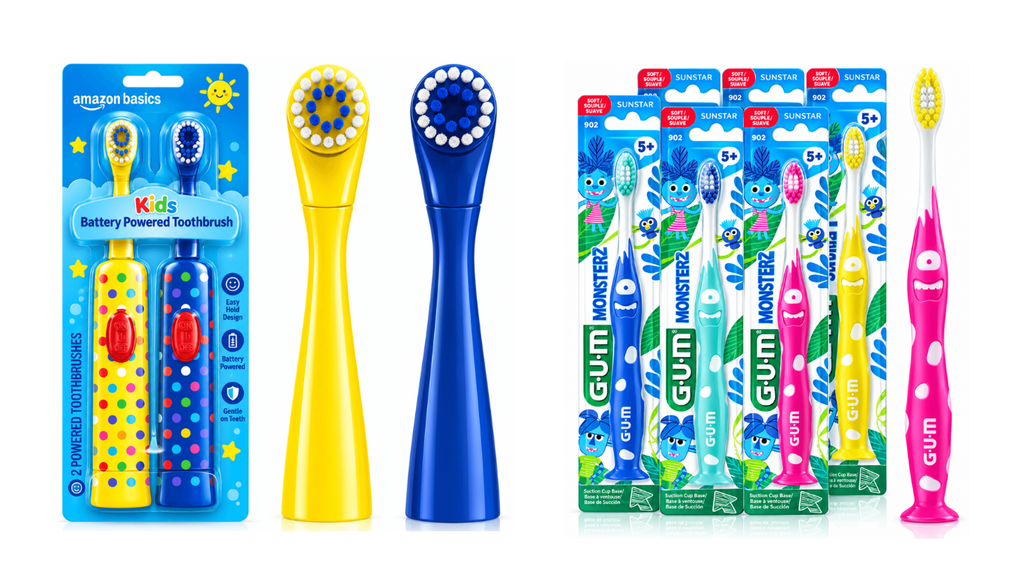
- Short, chunky handles help babies hold it themselves during training
- Long handles with non-slip grips give parents better control
- Safety shields or guards near the head prevent the brush from going too far into the mouth
Age-Appropriate Size for Effective Cleaning
Brush head size matters more than most parents realize. A head that’s too large misses back teeth and causes gagging. Here’s a quick guide:
| 0–12 months | Finger brush or very small head |
| 1–2 years | Pea-sized head (~15mm) |
| 2–4 years | Small toddler head (~19mm) |
BPA-Free and Baby-Safe Materials to Prioritize
Always check that your chosen baby toothbrush is BPA-free and made from food-grade materials. Babies chew on everything, so the entire brush handle, bristles, and any rubber parts needs to meet safety standards. Look for certifications like FDA or CE approval for added peace of mind.
Top Kids Toothbrush Types Compared
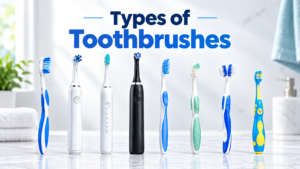
A. Finger Toothbrushes for Newborns and Early Teethers
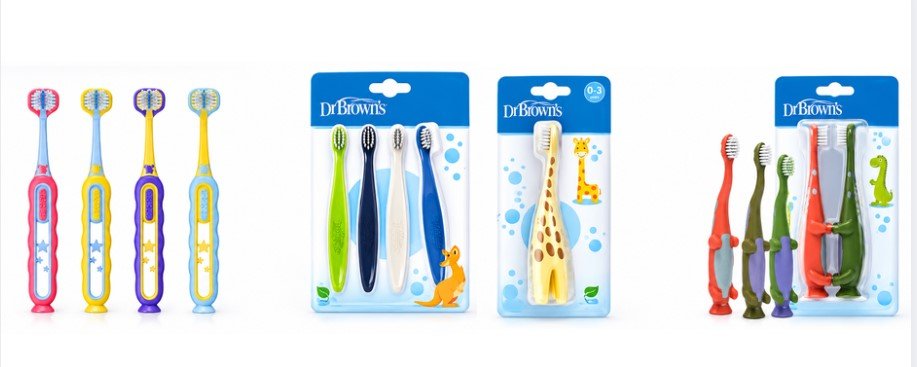
A baby finger toothbrush slips right over your fingertip, giving you full control while gently massaging gums before teeth even arrive. Great for 0–12 months.
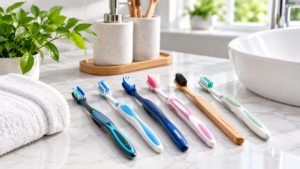
B. Traditional Handled Toothbrushes for Growing Babies
Once babies hit 6–12 months, a handled brush with a chunky grip works well. Look for a small head and soft bristle baby toothbrush design to protect delicate gums.
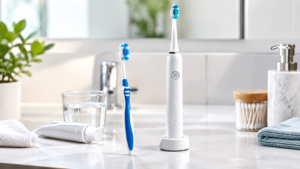
C. Electric KidsToothbrushes for Effortless Cleaning
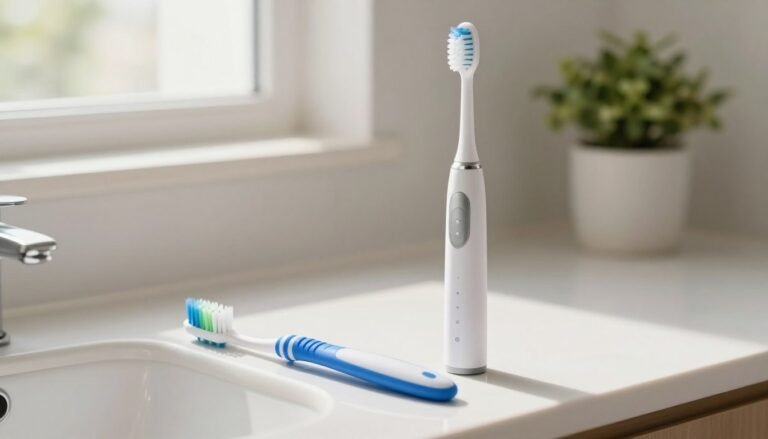
Electric options make brushing faster and more thorough. They’re best suited for toddlers 18 months+, and many kids actually enjoy the gentle vibration.
D. Silicone vs Nylon Bristles Breakdown
| Best for | Gum massaging, teething | Actual plaque removal |
| Age range | 0–12 months | 6 months+ |
| Durability | Very durable | Needs replacing sooner |
| Cleaning effectiveness | Moderate | Higher |
E. Training Toothbrushes That Build Independence
A baby training toothbrush lets toddlers practice brushing on their own while parents do a follow-up clean. These typically have longer handles, easy-grip textures, and safety shields to prevent gagging.
Best Kids Toothbrushes on the Market Reviewed
Best Overall Pick for Everyday Use.
Frida Kids SmileFrida The Finger Toothbrush earns the top spot. Its silicone finger sleeve fits snugly, giving you full control while the soft bristles gently clean emerging teeth. Parents love the grip ring that keeps little hands busy.
Best Budget-Friendly Option Without Compromising Quality
Oral-B Kids Toothbrush (0-2 Years) delivers solid quality at under $4. The extra-soft bristles meet pediatric dentist standards, and the chunky handle makes it easy for toddlers to practice brushing independence. A genuinely reliable soft bristle baby toothbrush that doesn’t cut corners.
Best for Teething Babies Who Need Extra Soothing
Baby Banana Infant Training Toothbrush doubles as a teether, making it a standout in infant toothbrush reviews. The flexible banana-shaped silicone design is safe for self-guided chewing, soothes sore gums, and introduces brushing habits early without any fuss.
| Teething relief | ✅ | ❌ | ❌ |
| Finger brush style | ✅ | ✅ | ❌ |
| Budget-friendly | ✅ | ❌ | ✅ |
Best Electric Option for Thorough Cleaning
Brush-Baby BabySonic Electric Toothbrush is the best toothbrush for toddlers ready to level up. Sonic vibrations remove plaque effectively while staying gentle on sensitive gums.
How to Use a Kids Toothbrush Safely and Effectively
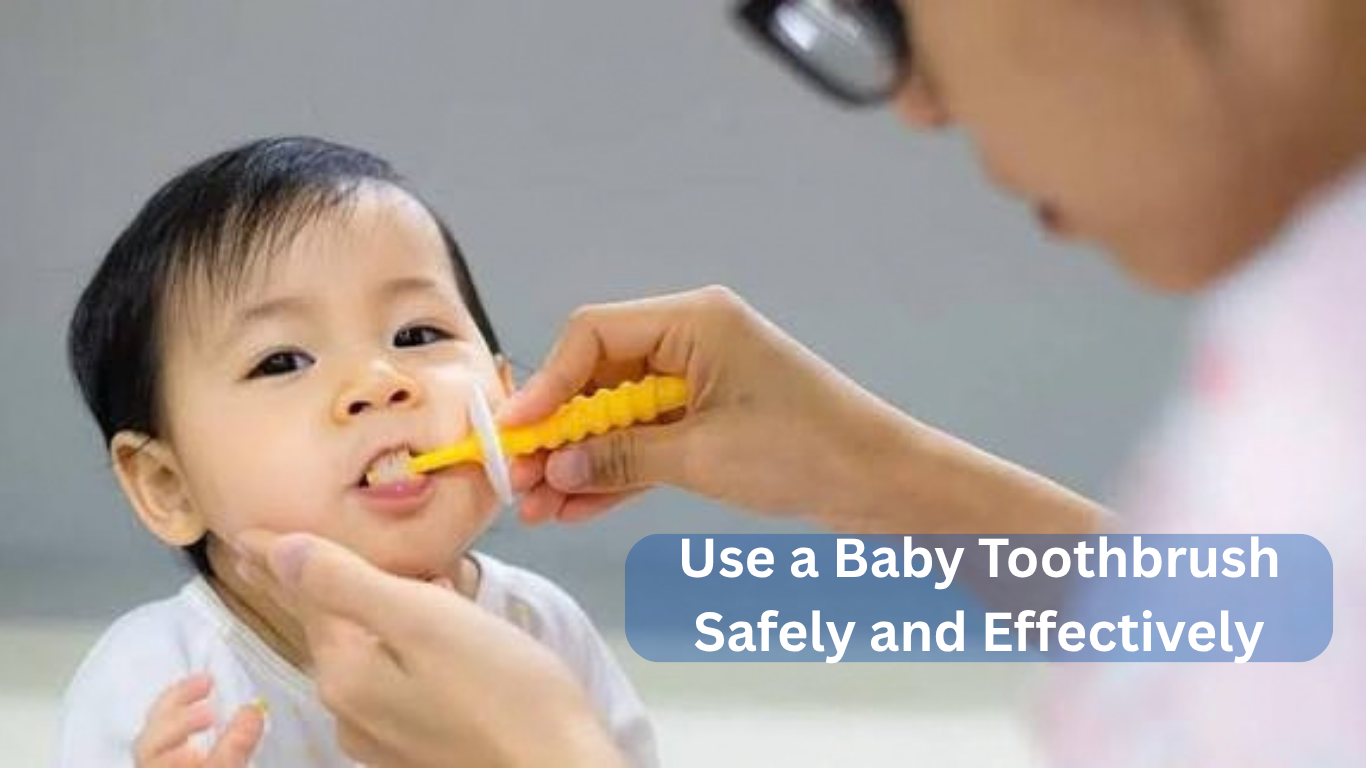
Step-by-Step Guide to Brushing Your Baby’s Teeth
- Get comfortable : Lay your baby on your lap or stand behind them in a mirror.
- Apply toothpaste : Use a rice-grain-sized amount of fluoride toothpaste for babies under 3.
- Brush gently : Use small, circular motions along the gumline and tooth surfaces with a soft bristle baby toothbrush.
- Cover all areas : Front, back, and chewing surfaces of every tooth.
- Rinse : Wipe excess toothpaste with a damp cloth for infants; older babies can spit.
How Often and How Long to Brush for Best Results
- Brush twice daily morning and before bed
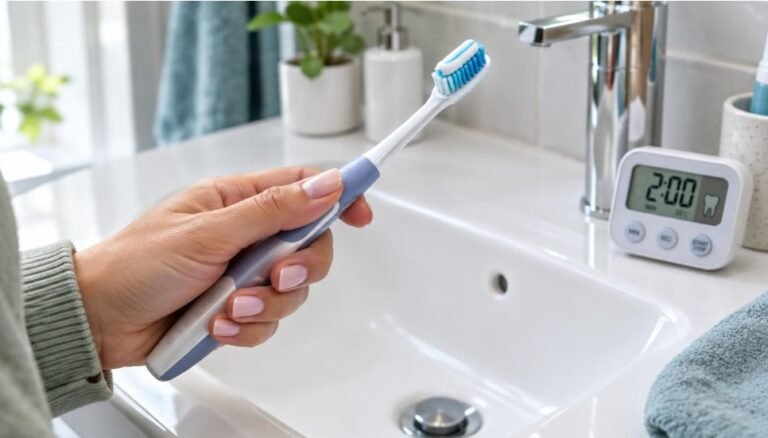
- Aim for 2 minutes total, spending about 30 seconds on each mouth quadrant
- Nighttime brushing matters most milk left on teeth overnight causes decay fast
Making Brushing a Fun and Stress-Free Routine
- Let them hold a toothbrush while you brush theirs babies love mimicking
- Sing a short song or use a 2-minute timer app to make it playful
- Praise enthusiastically after every session
- Try a baby finger toothbrush if your baby resists traditional brushes many babies prefer the sensation
- Keep the routine consistent so brushing becomes as normal as bath time
Maintaining and Replacing Your Baby Toothbrush
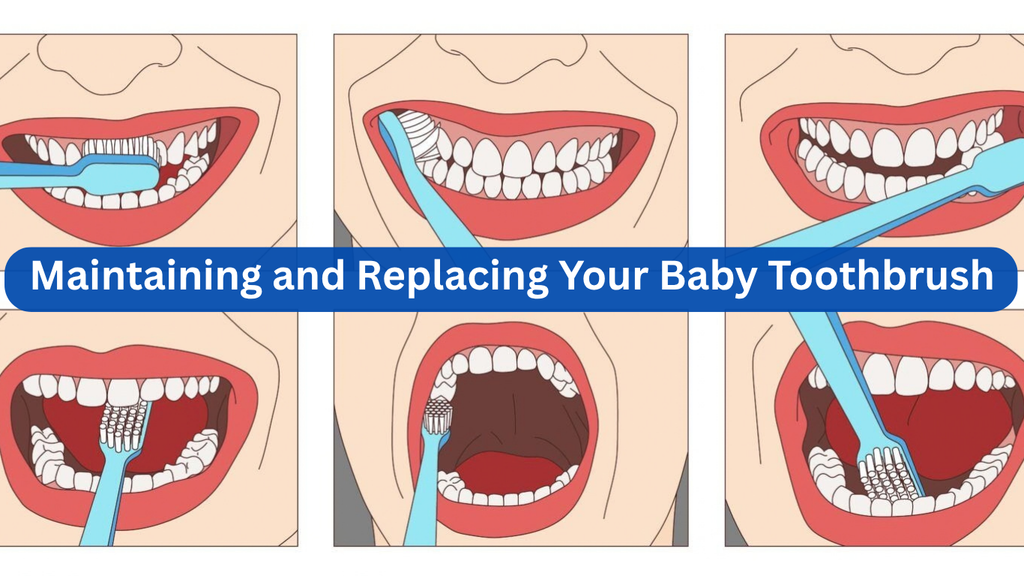
How to Clean and Store a Kids Toothbrush Hygienically
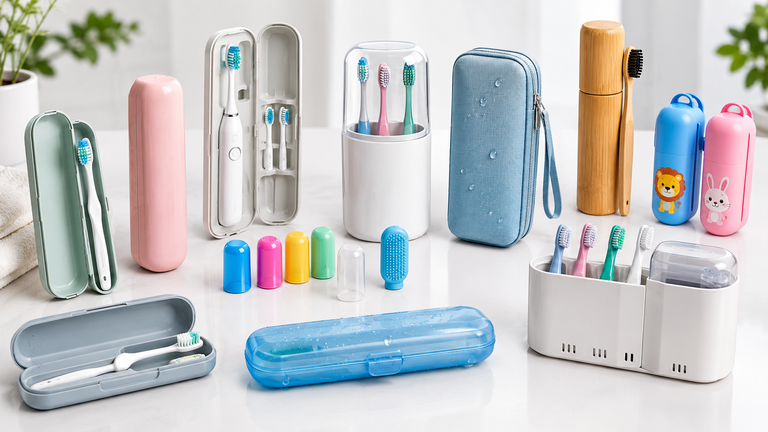
After each use, rinse the toothbrush thoroughly under running water to remove toothpaste and debris. Store it upright in a clean, open-air holder so bristles can air-dry completely. Avoid covering it or tossing it into a closed drawer trapped moisture breeds bacteria fast.
- Never share toothbrushes between children
- Keep it away from the toilet area to avoid airborne germs
- Occasionally soak it in antibacterial mouthwash diluted with water for a deeper clean
Clear Signs It Is Time to Replace the Toothbrush
Even the best baby toothbrush won’t perform well once it’s worn out. Watch for these warning signs:
- Bristles are frayed, splayed, or flattened
- Discoloration on the bristles or handle
- Visible mold or buildup that won’t rinse away
- Your baby has been sick recently swap it immediately after recovery
A worn soft bristle baby toothbrush can actually irritate gums rather than protect them.
How Frequently You Should Buy a New One
Replace any baby or toddler toothbrush every 3 months, regardless of how it looks. For finger toothbrushes, check weekly since silicone can tear or thin out quicker than standard bristles.
Getting your baby’s dental care right from the start sets the foundation for a lifetime of healthy teeth. From choosing the right bristle softness and handle design to knowing when to replace that little brush, every detail adds up. The best baby toothbrush is one that feels safe and comfortable for your little one while making the whole brushing experience as smooth as possible for you both.
Take your time comparing options, check the key features, and don’t overthink it. Pick a brush that fits your baby’s age and needs, use it consistently, and swap it out every three months or sooner if it starts to wear down. Small habits like these make a bigger difference than most parents realize, and your baby’s smile will thank you for it later.