Manual vs Electric Toothbrush: compare cleaning performance, cost, features, usability, and benefits to choose the right toothbrush for your needs.
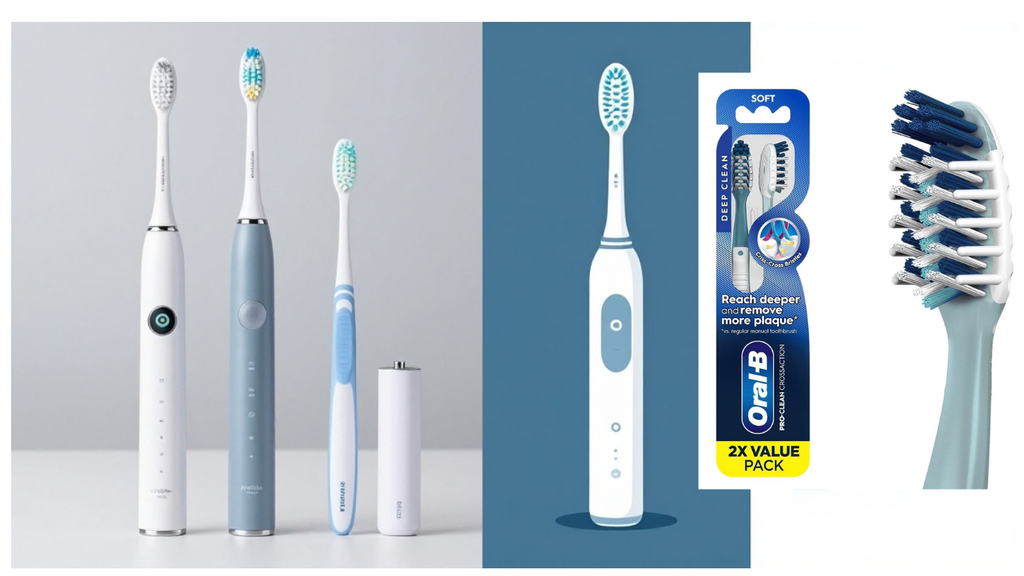
Choosing between a Manual vs Electric Toothbrush is a common dilemma for an adult who wants to care for their teeth in the best possible way and have an effective and practical tool for this. Both variants can be used, but they have different cleaning principles, cost, convenience, and sets of functions.
In the manual vs electric toothbrush comparison, these points will be discussed to see what differences there are without claiming which variant is better in specific cases or generally.
Manual vs Electric Toothbrush: Quick Comparison
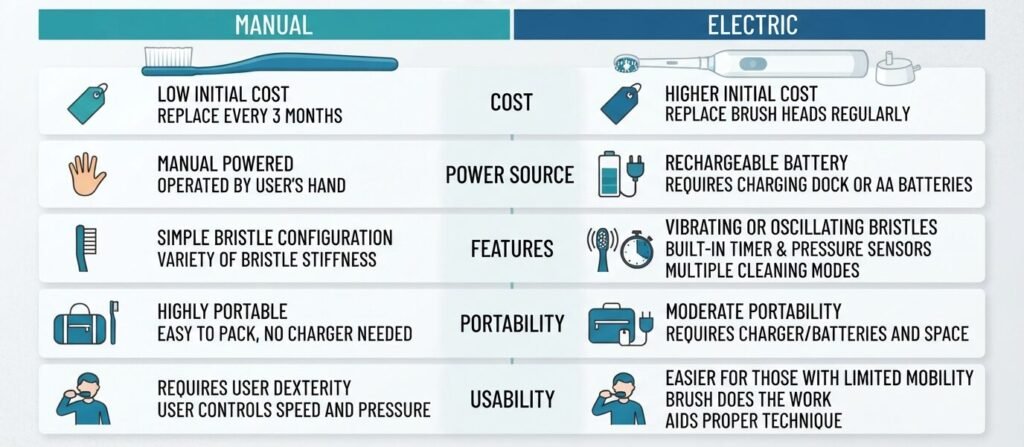
The exact features and prices vary significantly between toothbrush models, so this table describes general categories rather than specific products.
| Feature | Manual Toothbrush | Electric Toothbrush |
| Initial cost | Usually lower | Usually higher |
| Replacement cost | Generally inexpensive | Replacement brush heads can cost more |
| Power source | None required | Battery or rechargeable power |
| Brushing control | Entirely manual | Motor provides brushing movement |
| Timer | Not usually built in | Many models include a timer |
| Pressure sensor | No | Available on some models |
| Travel | Simple and lightweight | Depends on model and battery |
| Technique | Requires active brushing technique | Can provide assistance with brushing motion |
| Maintenance | Simple | Requires charging/battery care |
| Best for | Budget-conscious and simple routines | Users who value powered brushing and additional features |
What Is a Manual Toothbrush?
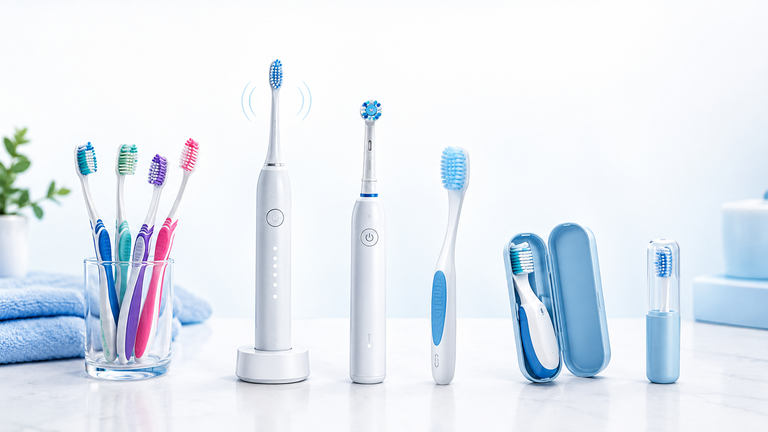
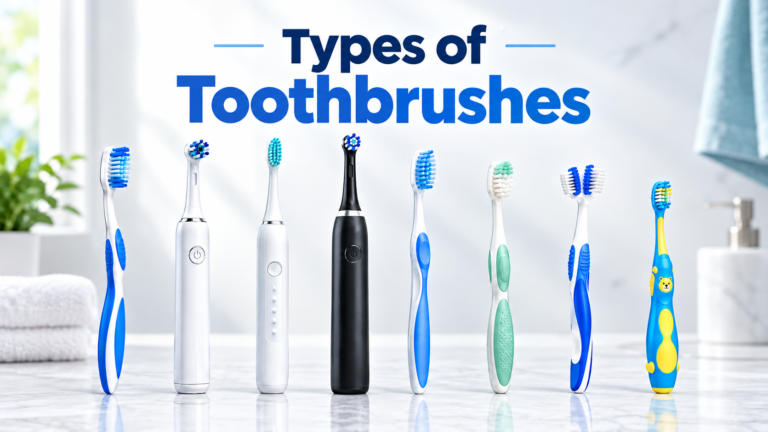
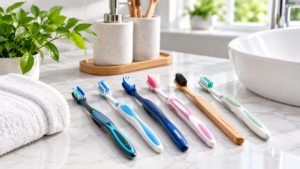
A manual toothbrush is a traditional toothbrush that uses a handle and bristles. The user provides the brushing movement and controls the pressure, angle, and duration.
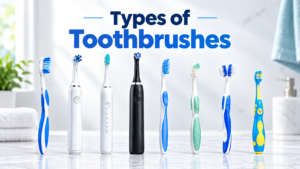
Manual toothbrushes come in a variety of styles including soft bristles, small heads, ergonomic handles, and toothbrushes tailored to specific oral-care needs.
Benefits of Manual Toothbrushes
One major benefit of a manual toothbrush is its simplicity. A manual toothbrush does not need batteries or any other power source.
Other possible benefits include:
- Lower purchase cost than electric toothbrushes
- Availability in many retail stores
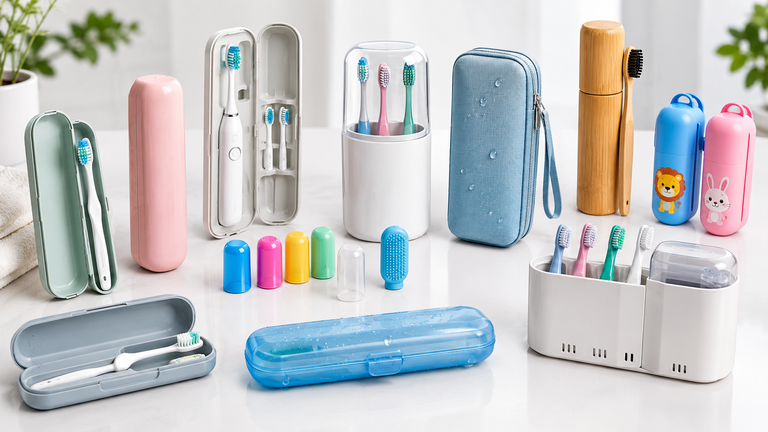
- Generally lightweight and easy to pack for travel
- Simple to pack for travel
- Does not require charging
- Variety of bristle types and handle styles
- Easy to replace when worn out
A manual toothbrush can also be a good option if used with a proper brushing method and for the recommended length of time.
Cons of Manual Toothbrushes
The primary disadvantage of a manual toothbrush is that the person using it must generate and control all of the brushing movement. Someone who brushes too quickly, applies too much pressure, or misses several spots will not benefit as much from the brushing.
A manual toothbrush also lacks other potential features such as a timer or a pressure sensor.
What Is an Electric Toothbrush?
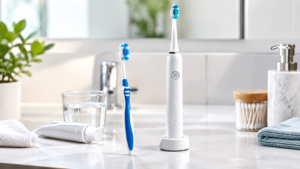
An electric toothbrush uses a motor to make the brush head move. Depending on the specific toothbrush, the brush head might rotate, oscillate, or use another motion.
Electric toothbrushes can vary from simple battery-powered models to more complex rechargeable models with special brushing modes, timers, pressure sensors, and other features.
Benefits of Electric Toothbrushes
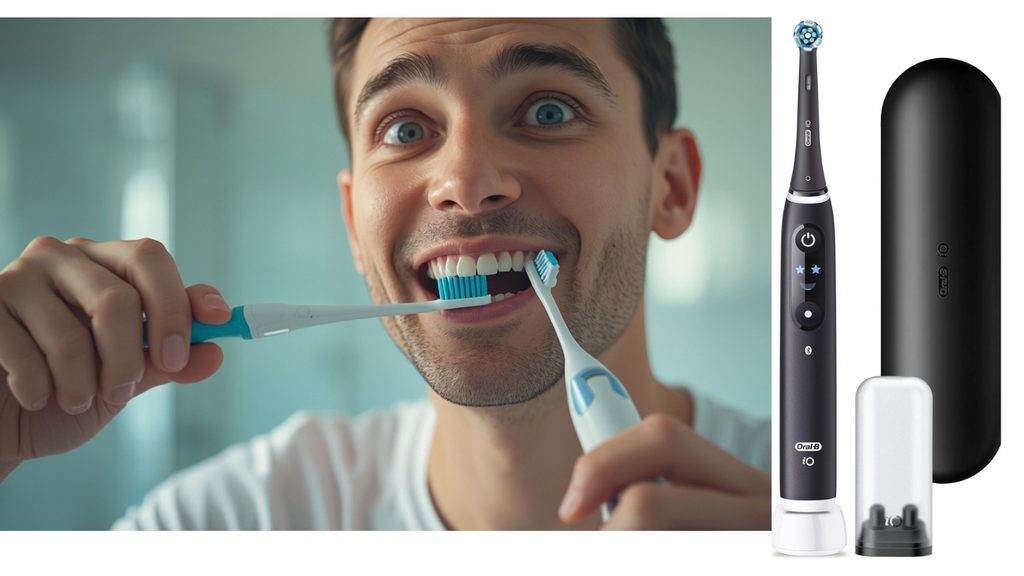
One major benefit of an electric toothbrush is that the motor does most of the work. Some electric toothbrushes also provide enhanced features to help encourage a proper brushing method, such as:
- Built-in timers
- Pressure sensors
- Multiple brushing modes
- Rechargeable batteries
- Replaceable brush heads
- Brush-head replacement reminders
- App connectivity on selected models
Connection to a smartphone app for tracking brushing data on select models
Many of these features can be helpful for people who find it difficult to maintain a proper brushing method.
Research has shown that powered toothbrushes can provide modest improvements in plaque reduction and gingival health when compared to manual toothbrushes, although individual results may vary depending on the type of toothbrush and other factors.
Cons of Electric Toothbrushes
In general, electric toothbrushes are more expensive than manual toothbrushes to purchase initially. Rechargeable electric toothbrushes require charging, while battery-powered models require fresh batteries to be installed.
An electric toothbrush also involves more equipment to maintain, including the brush head, handle, and possibly a charging station depending on the model.
Cleaning Performance: Manual vs Electric Toothbrush
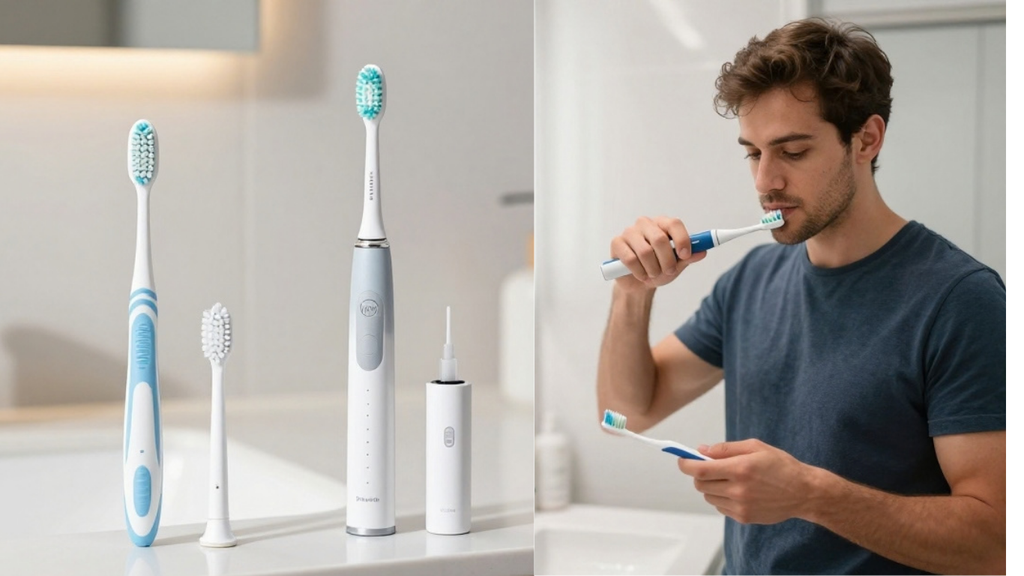
Cleaning performance is one of the most important factors to consider in a manual vs electric toothbrush comparison.
Both electric and manual toothbrushes can effectively clean the teeth when used properly. However, systematic reviews have shown that powered toothbrushes can provide a statistically significant improvement in plaque and gingivitis reduction over manual toothbrushes.
This does not mean that every individual electric toothbrush will outperform a manual toothbrush on any given set of teeth.
The person using the toothbrush must still maintain proper technique, brushing for the recommended length of time with appropriate pressure and motion. The brush head must also be in good condition without excessive bristle wear to maintain effective cleaning.
For someone who already uses a manual toothbrush with proper technique consistently, there is no need to switch to an electric toothbrush.
Which Is Better for Plaque Removal?
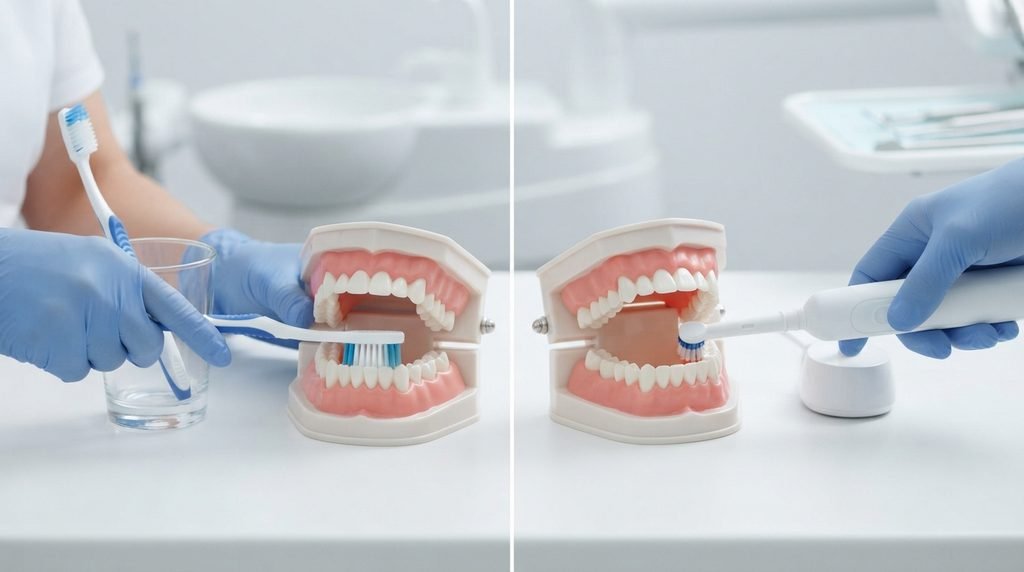
When comparing electric toothbrush vs manual, powered toothbrushes have been shown to provide enhanced benefits for plaque and gingivitis reduction, but only when used with correct technique.
People with poor brushing habits will not see improved results simply by switching to an electric toothbrush. An electric toothbrush can be a helpful tool for encouraging proper brushing, but the user must still perform the brushing in the correct way.
Features and Technology
This is an area where electric toothbrushes have definite advantages.
A standard manual toothbrush offers no electronic features; effectiveness depends solely on how the user brushes.
Electric toothbrushes can offer:
Timers
A built-in timer can help the user achieve the required brushing time.
Pressure Sensors
Some electric toothbrushes come with a pressure sensor that lets you know when you’re brushing too hard.
Cleaning Modes
Depending on the model, you may have several modes to choose from – for example, for normal cleaning, sensitive gums, or cleaning your teeth after orthodontic treatment.
Smart Connectivity
More premium electric toothbrushes connect to your smartphone via an app and show you information during your brushing session.
All these features come at a cost, making electric toothbrushes more expensive to buy and maintain.
Price and Long-Term Cost
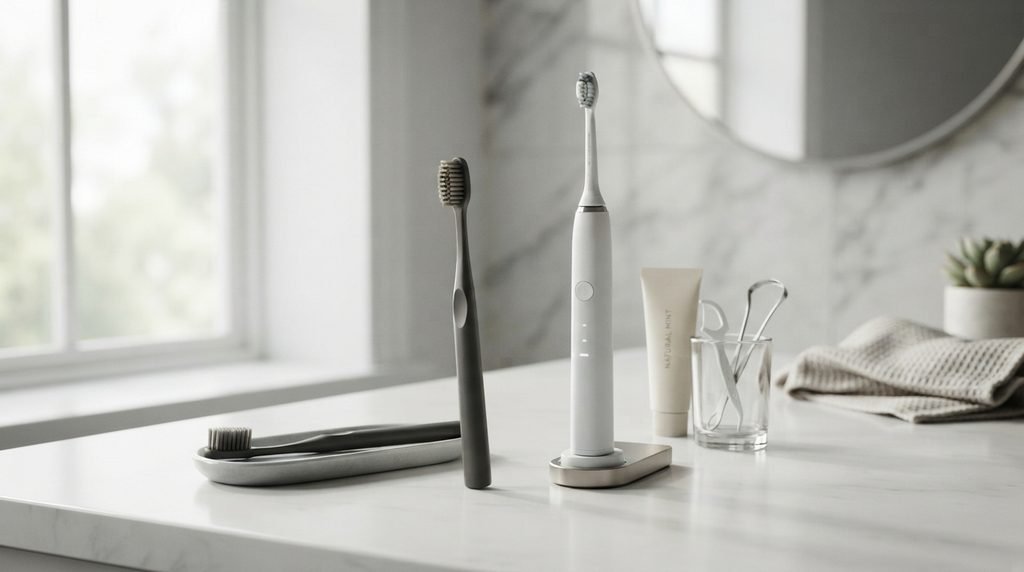
When it comes to manual toothbrush vs electric toothbrush, price plays a huge role in many shoppers’ decision-making process.
A standard manual toothbrush is cheap to buy and replace (if you use a standard brush). You also don’t need to remember to charge it or anything like that.
An electric toothbrush requires you to make an initial purchase of the actual brush, and then to buy replacement heads at some point. You’ll also need to remember to charge it or have batteries on hand.
Which Is More Budget-Friendly?
For budget-minded shoppers, a manual toothbrush wins hands-down.
An electric toothbrush offers features most people would never consider for a manual one. It has a significantly higher cost both at purchase and for long term use.
Ease of Use
Using a manual toothbrush couldn’t be easier. You apply toothpaste, brush your teeth and gums systematically, rinse, and wash your brush.
An electric toothbrush is slightly more involved while the motor does most of the hard work, you still have to move the brush around your teeth to get every surface.
For many adults, brushing your teeth with an electric toothbrush can be much easier since the motor does most of the work.
People with limited dexterity will also find that an electric toothbrush can be much easier to use, although everyone has different needs and requirements.
Travel and Portability
If you travel often, a manual toothbrush wins this category. It doesn’t need any charging and is much more compact than an electric one.
An electric toothbrush can be taken almost anywhere, making it a good choice for travelers, but it’s still something to consider.
Unless you have a model that runs on batteries, you need to remember to charge your electric toothbrush and possibly bring it along with you somewhere to charge it in the morning. You also have to think about the size of the brush itself and whether you’ll have enough space to stow it away wherever you’re going.
Customer Support and Warranty
Customer support is a much bigger issue for electric toothbrushes since they’re more complicated devices with electronics.
Depending on the brand and model, an electric toothbrush may come with a warranty, customer support, charging accessories, and more.
A manual toothbrush doesn’t really have any of that at the end of its lifespan, you simply need to buy a new brush.
Since every company has different policies, it’s important to do your research and find out what the fine print says concerning warranty and customer support.
Pros and Cons at a Glance

Manual Toothbrush Pros
- Affordable
- Lightweight
- Simple to use
- No charging required
- Easy to travel with
- Widely available
- Many design choices
Manual Toothbrush Cons
- Requires good brushing technique
- Usually lacks timers
- No electronic pressure feedback
- No powered brushing assistance
Electric Toothbrush Pros
- Powered brushing movement
- Many models include timers
- Some models include pressure sensors
- Multiple cleaning modes are available on some models
- Can be useful for people who struggle with brushing technique
Electric Toothbrush Cons
- Higher initial cost
- Replacement heads add ongoing cost
- Requires charging or batteries
- More components to maintain
- Advanced features may be unnecessary for some users
Which Is Better: Manual or Electric Toothbrush?
So, which is better – a manual or electric toothbrush?
There isn’t one simple answer that applies to every adult.
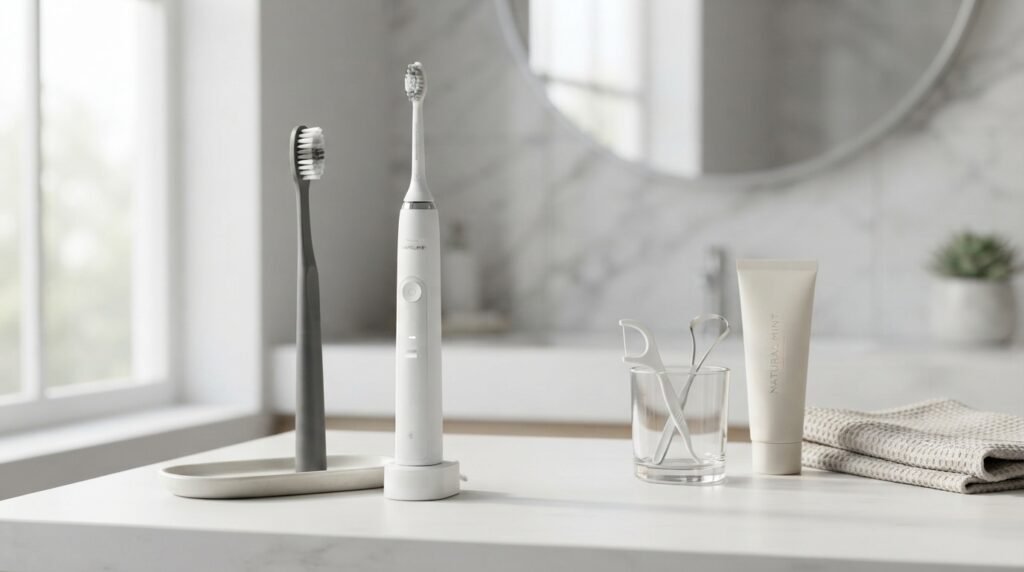
An electric toothbrush could be a great investment if you want powerful brushing, an inbuilt timer, pressure sensor, or other useful features.
A manual toothbrush might be the more practical option if you want something cheap, lightweight, straightforward, and self-sufficient.
The most crucial factor isn’t whether you choose a manual or electric toothbrush, but rather that you brush your teeth thoroughly and consistently.
Additionally, brushing technique, duration, and regular dental visits are all relevant factors.
If you have specific concerns about your teeth or gums, consult your dentist or dental hygienist about which kind and model of toothbrush would be best for you.
Manual vs Electric Toothbrush: Final Verdict
The fundamental difference between a manual vs electric toothbrush is the source of power.
A manual toothbrush makes you do all of the work, while an electric toothbrush has a motor to help you along.
Studies have found that powered toothbrushes can provide a small benefit over manual brushes in terms of plaque and gingivitis reduction. That doesn’t mean manual toothbrushes aren’t effective.
If you want something cheap, simple, portable and maintenance-free, then a manual brush is the way to go.
If you want a toothbrush with powered heads and helpful features, then an electric brush might be right for you.
Ultimately, the best toothbrush for cleaning your teeth is one that you’ll use correctly and consistently.
FAQs
1. Is an electric toothbrush better than a manual toothbrush?
Studies have shown that electric toothbrushes can provide a slight benefit over manual brushes in terms of plaque and gingivitis reduction.
However, it’s also perfectly possible to use a manual brush correctly and effectively.
2. Is a manual toothbrush good enough?
Yes, a manual toothbrush is absolutely good enough, as long as you use it correctly, thoroughly, and consistently.
Make sure you’re using the right technique, brushing for the right amount of time, and replace your brush when the bristles start to fray.
3. Are electric toothbrushes worth the extra cost?
It depends on what features you want and how much you’re willing to pay.
Electric toothbrushes typically have a higher price point, but they also have useful built-in features such as a timer and pressure sensor.
4. Which toothbrush is better for sensitive teeth?
The sensitivity of your teeth and gums can be affected by a number of different factors, including pressure, bristle hardness, toothpaste, and overall dental health.
You may find that you need to use a soft-bristled toothbrush and/or switch to a sensitive toothpaste.
5. Which is better for adults: manual or electric toothbrush?
Both brushing options are perfectly fine for adults.
Electric toothbrushes typically provide more help and feedback for a better brushing experience.
6. Do electric toothbrushes remove more plaque?
Generally speaking, yes.
Electric toothbrushes have been found to reduce plaque more effectively than manual brushes, on average.
However, it also depends on the individual and the kind of brush they’re using.
7. How often should you replace a toothbrush?
It’s generally recommended to replace your toothbrush every 3-4 months, or when the bristles start to become frayed or worn.
This advice also applies to electric toothbrushes, although you’ll be replacing the brush heads rather than the whole brush.
8. Can you use a manual toothbrush incorrectly?
YesBrushing your teeth too hard is bad for your gums and teeth, as is brushing for too short a duration and not cleaning all areas of your mouth.
Using a manual toothbrush incorrectly reduces its effectiveness, as well as being damaging and uncomfortable.
Read here: Best Manual Toothbrushes
Read here: Best Electric Toothbrushes