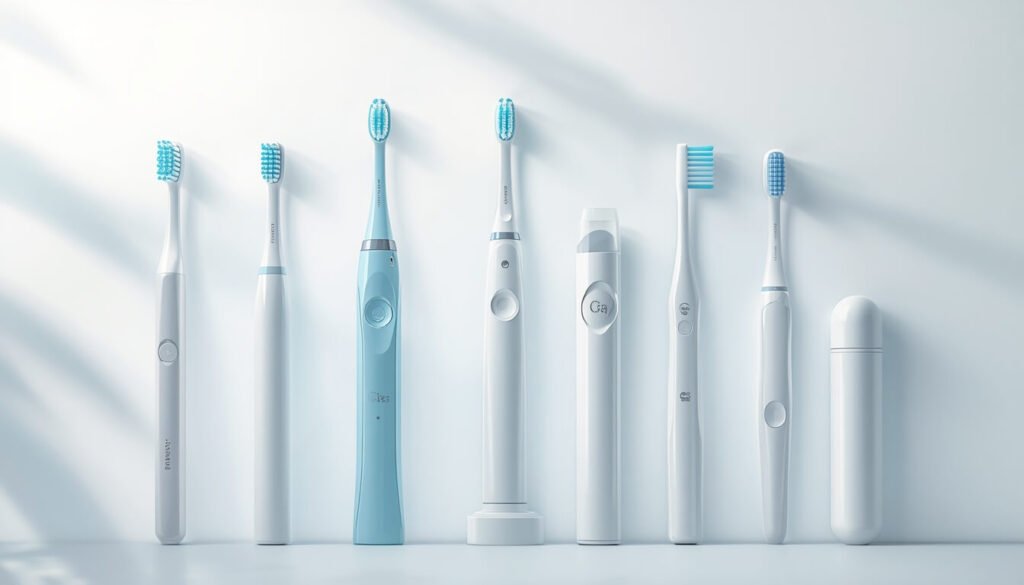
A toothbrush is one of the most useful tools for proper oral hygiene. It can help remove plaque, clean the teeth surfaces, maintain healthy gums, and leave the mouth fresh. 12 Benefits and How to Choose However, not all brushes are suitable for the same purpose. Some are intended for regular use, some have special modes or shapes to accommodate people with sensitive teeth or braces, and some are meant for cleaning interdental spaces.
The purpose of a toothbrush can influence the choice of the tool and its characteristics. A Toothbrush Uses proper toothbrush should meet specific needs, lifestyle, and financial capabilities of the owner.
In this article, 12 common uses of a toothbrush are described. Toothbrush classifications are also presented. The information provided should help in choosing the right tool for maintaining oral hygiene.
What Is a Toothbrush Used For?
A toothbrush is a handheld device used for cleaning teeth surfaces and massaging them to remove plaque, food particles, and bacteria. Together with fluoride toothpaste, a brush helps prevent tooth decay.
The primary uses of a toothbrush include:
- cleaning teeth surfaces (chewing, front, and back)
- removing plaque.
- maintaining healthy gums.
- preventing tooth decay when combined with fluoride toothpaste.
- cleaning the tongue.
- improving bad breath
- getting rid of food debris or facilitating orthodontic cleaning
A toothbrush is not entirely effective at reaching all spots on the teeth, so interdental brushes or floss can be used to remove plaque and food debris from narrow gaps between the teeth.
12 Main Toothbrush Uses and Benefits
1. Toothbrush for Daily Teeth Cleaning
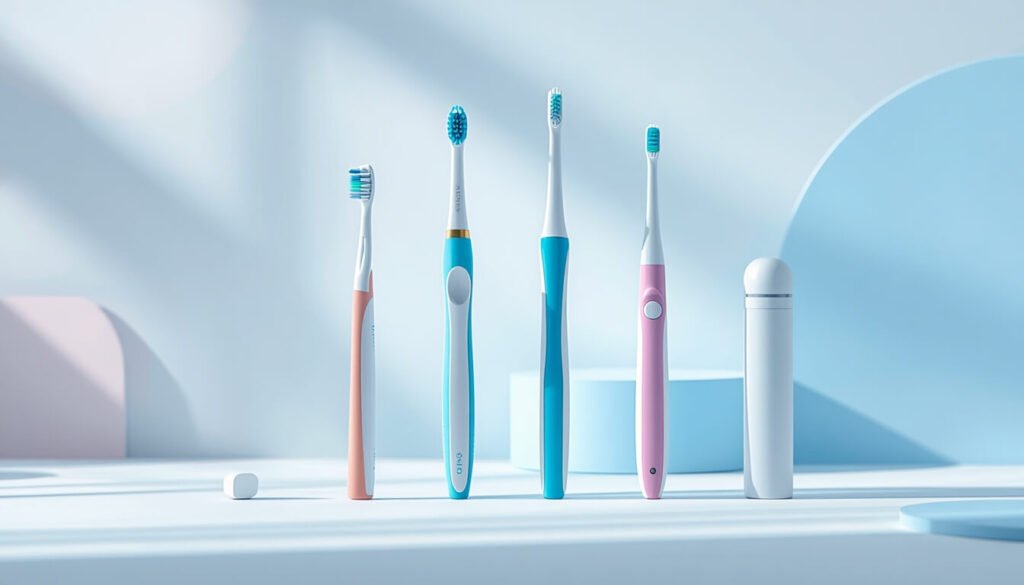
The most common Toothbrush Uses is teeth cleaning. The brush helps remove food debris and plaque from the surfaces of the teeth. Tooth surface cleaning also prevents plaque from accumulating and hardening into tartar. A brush with a small head and soft bristles is a good option for daily use because it can reach all the teeth and gently remove dirt without hurting gums or causing erosion.
Ideal for: teeth cleaning and maintenance.
Pro Tip:Clean your teeth twice a day for two minutes with a fluoride toothpaste. Remember to reach all the teeth and not just the front ones.
2. Toothbrush for Plaque Removal
Plaque is a layer of bacteria that adheres to the teeth. It should be removed at least twice a day to prevent it from stiffening into tartar. Tartar can only be removed by a dentist, so it is important to clean the teeth of plaque on a regular basis.
An electric toothbrush can be a great tool for removing hard-to-reach plaque, as it often comes with special mode/specialized brushing action. However, Toothbrush Uses a regular manual toothbrush can also be used if the person knows how to use it properly.
Ideal for: people who want to prevent tartar formation.
Pro Tip:Brush all the surfaces of the teeth, including the gum line. Do not press too hard in an effort to get rid of more plaque, as it may damage gums.
3. Toothbrush for Gum Care
Massaging gums with a soft toothbrush helps to remove plaque from the gum line and prevents gum disease. The gum Toothbrush Uses line should be cleaned at least twice a day. A small-size brush head may help to reach the back teeth and clean them properly.
Soft-bristle toothbrushes are generally recommended because they can clean effectively while being gentler on gum tissue. A small brush head may also help you reach the areas near the back teeth.
Ideal for: people who want to take special care of their gums.
Pro Tip:Do not hurt gums with hard bristles. Pay attention to the gum line, but do not damage the gums by pressing too hard. Toothbrush Uses Seek professional help if gums bleed, swell, or hurt.
4. Toothbrush for Sensitive Teeth
Sometimes, people may have sensitive teeth that react to extreme temperatures, acidic or sweet food. There are many reasons for such a condition, but in most cases, the sensitivity can be reduced with a toothbrush that has soft bristles. An electric toothbrush often has a built-in pressure sensor that warns the user if the pressure is too high.
Ideal for: people with sensitive teeth or gums who want to avoid additional pain.
Pro Tip: Do not press hard when brushing your teeth. Use specialized toothpaste for sensitive teeth. Consult a dentist if the sensitivity is sudden or persistent.
5. Toothbrush for Teeth Whitening Support
Some toothbrushes are designed for teeth whitening. Such brushes often have special bristles and/or special mode for removing plaque and surface stains. A toothbrush cannot fundamentally change the color of the teeth, but it can help remove some of the superficial stains caused by coffee, tea, and cigarettes.
Ideal for: people who want to remove surface-level stains and maintain a bright smile.
Pro Tip: Do not damage the teeth with hard bristles and acidic substances. Consult a dentist for a professional teeth whitening procedure if a brighter smile is desired.
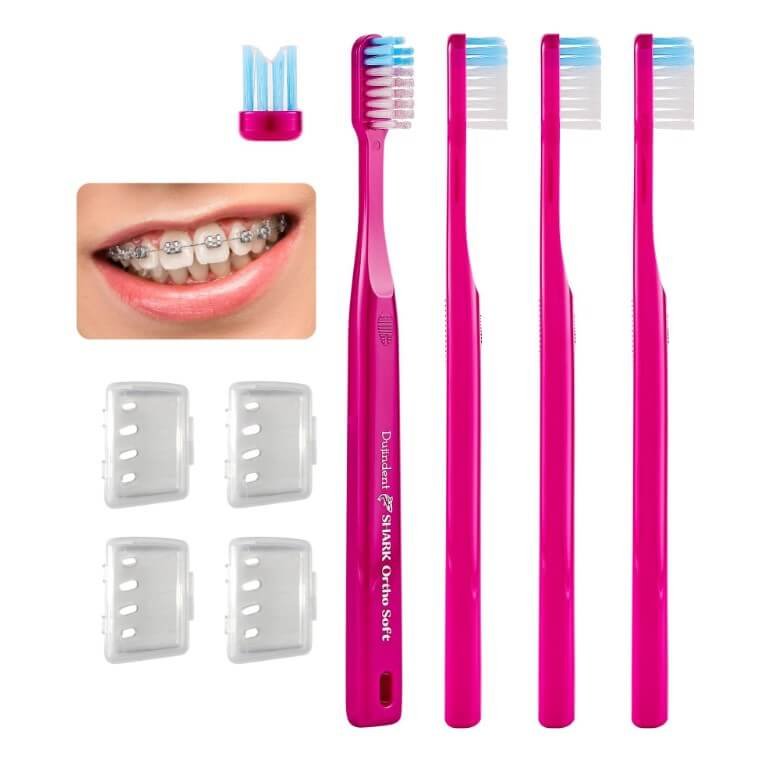
6. Toothbrush for Braces
Braces can create additional places in the mouth for plaque and food debris to accumulate. The task of removing them from between brackets, on the orthodontic appliance, and along the gum line becomes much more challenging.
An orthodontic toothbrush may have a special bristle arrangement that allows the user to clean around braces. An interdental brush can be used to remove plaque from around brackets and under the orthodontic appliance.
Best for: People with current orthodontic appliances.
Helpful tip: Take care when cleaning around each bracket and follow the orthodontic hygienist’s advice. A regular toothbrush is needed to clean the rest of the teeth.
7. Toothbrush for Cleaning Between Teeth
A standard toothbrush is not ideal for cleaning spaces between teeth. Interdental brushes are used to clean the interdental areas, which can be challenging to reach with a standard toothbrush. Such brushes are also used to clean around orthodontic appliances or after a filling has been placed. A size appropriate for the gap between teeth is required – too big, and the brush damages the gums, and too small, and it cannot effectively remove plaque.
Best for: People with gaps between teeth, orthodontic appliances, bridges, or other dental prostheses.
Helpful tip: The appropriate size should be selected based on the dentist’s recommendation. When the gaps between teeth are narrow, dental floss is better suited to the task.
8. Toothbrush for Kids’ Oral Care
Children’s toothbrushes usually have smaller heads, softer filaments, and easier-to-hold handles. Powered toothbrushes often have built-in timers and are more fun for kids, but they are not necessary. Even a simple manual toothbrush can be effective at removing plaque when used correctly.
Best for: Toddlers and preschoolers with just a few teeth, or with widely spaced teeth.
Helpful tip: Parents should help their children brush their teeth and pay attention to the quality of dental care. The amount of toothpaste should also be appropriate for the child’s age.
9. Toothbrush for Bad Breath
Bad breath can be caused by several factors, including food, bacterial plaque, a dry mouth, or periodontitis. Dry mouth can also be caused by various medications. One of the main reasons for bad breath is the accumulation of bacterial plaque on the tongue. This, along with food debris, must be removed during tooth brushing.
It is also helpful Toothbrush Uses to remove the rough coating from the tongue, because it contains bacteria that affect the breath’s odor. Some toothbrushes have a special surface for tongue cleaning; however, a separate scraper can be more comfortable to use.
Best for: People who suffer from bad breath and want to get rid of it at the initial stage.
Helpful tip: A toothbrush should be used twice a day to remove food debris and plaque. It is essential to clean between the teeth and to drink plenty of water. If bad breath cannot be controlled, it is necessary to consult a doctor.
10. Toothbrush for Travel
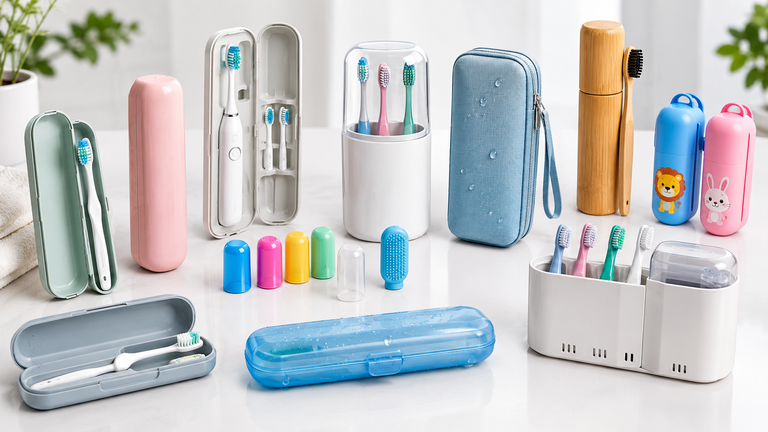
Travel toothbrushes can be compact (with a folding handle or a cap that covers the bristles), have a rechargeable battery, or use alternative power sources. A manual travel toothbrush is usually lighter than an electric one, because it does not have a power supply. A traveling electric toothbrush is best suited for people who prefer to brush their teeth with electric devices.
Best for: Often traveling individuals, students, businessmen, and those who want to take up jogging.
Helpful tip: It is advisable to let the toothbrush dry in a closed container when not in use, as moisture encourages the growth of pathogenic microorganisms..
11. Toothbrush for Enamel-Friendly Cleaning
The hard tissue that covers the surface of the tooth is called enamel. The proportion of mineral substances in it is close to 95%, which makes it one of the hardest tissues in the human body. Toothbrush Uses However, enamel is subject to abrasion during the brushing process. In addition, a diet full of acidic foods and beverages also negatively affects it. When the integrity of the enamel layer is violated, its regenerative properties are not manifested since its structure lacks cells.
A toothbrush with soft bristles is the best choice when it comes to enamel-friendly cleaning. Bristles should not be too stiff to avoid damaging the delicate tissues of the gums. The technique of proper brushing and the choice of the right tools are of great importance.
Best for: People interested in protecting their enamel from damage during the daily hygiene routine.
Helpful tip: Using a toothbrush with soft bristles, applying fluoride toothpaste, and a light brushing motion allow you to protect your teeth from harmful substances. If you notice that your gums are receding, or that your teeth have become more sensitive, it is worth consulting a doctor
12. Toothbrush for Deep Cleaning
In layman’s terms, “deep cleaning” Toothbrush Uses means removing all the dirt that has accumulated in the mouth throughout the day. During regular hygiene sessions, a toothbrush head removes part of the bacterial plaque from the teeth’s surface, paying special attention to the gum line, the occlusal surfaces of the molars, and interdental spaces. A toothbrush with a reduced head size, or a special electric toothbrush, will help get into all the crevices. Nevertheless, it is ineffective against hardened plaque, which requires professional removal.
Best for: People who want to ensure that all the surfaces of their teeth are cleaned during hygiene procedures.
Helpful tip: Take care to clean all the surfaces of your teeth during the brushing session. When there is a lot of plaque, or if there are signs of gum disease, it is necessary to contact a periodontist.
Different Types of Toothbrushes and Their Uses
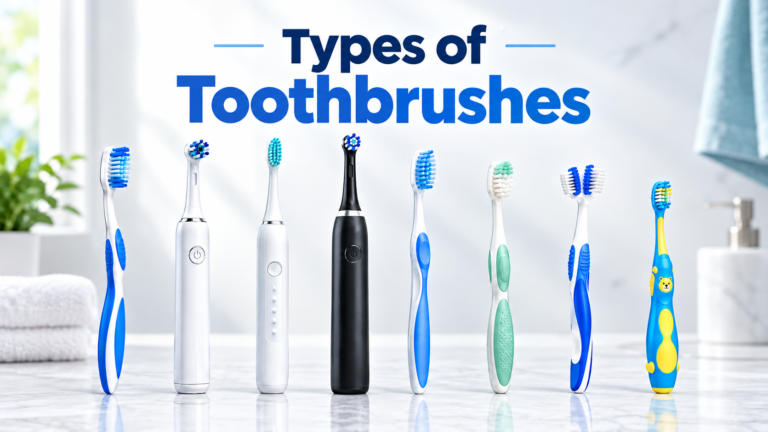
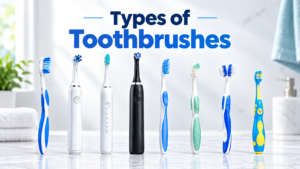
To learn more about toothbrush uses, you may want to classify toothbrushes based on operating methods, bristle materials, designs, and purposes.
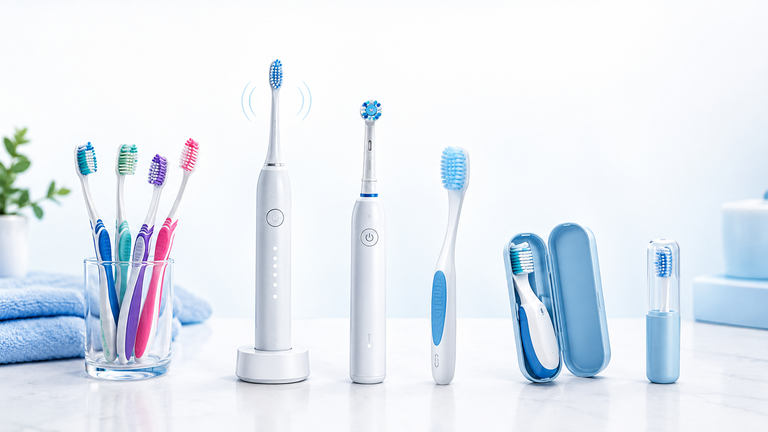
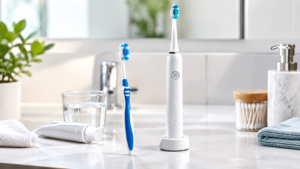
1. Manual, Electric, Sonic, Oscillating Rotating Toothbrushes
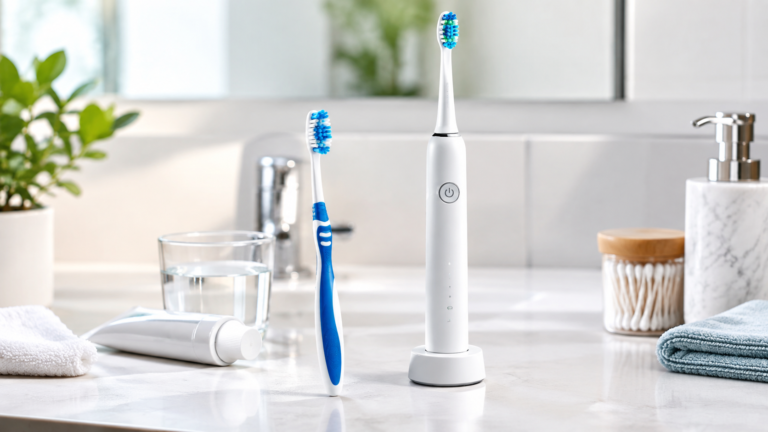
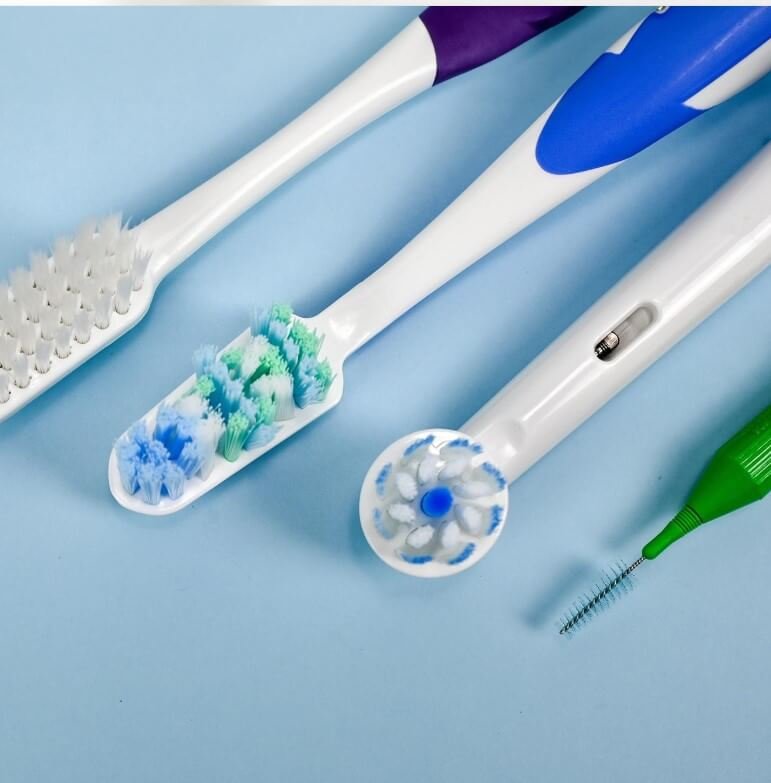
Manual toothbrush: Uses hand movements to clean teeth.
Affordable and convenient, a manual toothbrush generally does not need electricity and charging.
Electric toothbrush: Requires a powered motor to produce brush movements.
An electric toothbrush typically has a built-in timer, pressure sensor, or multiple cleaning modes.
Sonic toothbrush: Makes sound-powered cleaning through rapidly vibrating brush head. sonic toothbrush is a powered variation of the toothbrush.
Oscillating-rotating toothbrush: Usually has a small rounded head that rotates in a back-and-forth motion.
An oscillating-rotating toothbrush is generally preferred for single-tooth cleaning.
There is not a definite choice among these toothbrush variations.
Proper brushing technique, hand movements, and convenience matter more.
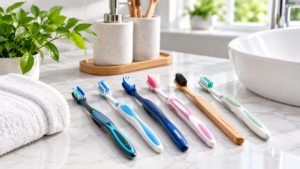
2. Soft, Medium, Hard Bristles Toothbrushes
Soft bristles: Using a hard-bristle toothbrush may damage gums and enamel.
Medium bristles: May feel firmer, but extra firmness is not necessary for effective daily cleaning and may increase the risk of brushing-related damage.
Hard bristles: Generally not recommended for routine toothbrushing because they can be harsh on gums and tooth surfaces.
For people seeking a delicate option, a toothbrush with soft bristles and proper brushing technique will be a good match.
3.Compact Head, Angled Head, Interdental, Tongue-Cleaning Toothbrushes
Compact-head toothbrush: A compact-head toothbrush has a small head that is useful for cleaning the back teeth.
Angled-head toothbrush: An angled-head toothbrush has an angled brushing surface and is helpful for cleaning the hard-to-reach areas.
Interdental toothbrush:An interdental brush has a tiny brush head for cleaning between teeth and around dental appliances.
Tongue-cleaning toothbrush:A tongue-cleaning toothbrush usually has a rough surface on the back for tongue cleaning.
4.Orthodontic, Children’s, Travel, Sensitive Teeth, Eco-Conscious Toothbrushes
Orthodontic toothbrush: has a design that makes it easier to clean teeth with braces.
Children’s toothbrush: generally has a small head and is suitable for kids.
Travel toothbrush: prioritizes convenience and has a smaller size.
Sensitive-teeth toothbrush: typically has soft bristles and is gentle for people with sensitive gums.
Eco-conscious toothbrush: is usually made of biodegradable and sustainable materials, including a bamboo handle, and may have a replaceable brush head to reduce plastic waste.
How to Choose the Right Toothbrush for Your Needs
A right toothbrush for you should be properly shaped to clean your teeth, comfortable to hold, and motivate you to brush twice a day.
Before buying a toothbrush, you should consider the following factors.:
- Bristle softness: Soft bristles are ideal for most people, and hard bristles should be avoided.
- Head size: The head should be able to reach the back teeth.
- Handle comfort: A toothbrush should have a comfortable and non-slip grip.
- Manual or electric operation: You should consider cost, convenience, and manual dexterity when choosing between a manual toothbrush and an electric toothbrush.
- Special dental needs: Braces, sensitive teeth, or dental restorations may require additional tools or advice.
- Replacement heads and cost: A costly toothbrush does not necessarily suit everyone.
A toothbrush that you can use comfortably and consistently matters more.
How to Use a Toothbrush Correctly
A proper way of tooth brushing enables the toothbrush to play a bigger role in your oral care routine.
The general steps of tooth brushing are as follows:
- Put a pea-sized amount of fluoride toothpaste onto a toothbrush..
- Hold the brush at an angle against the gum.
- Use gentle, short movements or follow the powered toothbrush’s instructions.
- Gently massage or use the powered toothbrush for cleaning in a short back-and-forth motion.
- Pay special attention to the back molars and areas around orthodontic appliances.
- Brush for a total of two minutes, twice a day.
- Clean between teeth daily using floss or suitable interdental cleaners.
- Make sure to clean between your teeth with floss or interdental cleaners..
After brushing, spit out the toothpaste. Do not rinse your mouth to let the fluoride on your teeth strengthen the enamel.
You should change your toothbrush or the electric brush head every three to four months, or when the bristles are worn out. After each use, you should rinse the toothbrush and keep it upright to air-dry.
What a Toothbrush Cannot Do
A toothbrush has its limitations, and it is important to understand what a toothbrush cannot do.A toothbrush cannot reach every tight space between teeth.
- It cannot remove hardened tartar; professional dental cleaning may be needed.
- A toothbrush cannot remove hardened tartar, so you may need to get professional cleaning from a dentist.
- A toothbrush cannot whiten your teeth or permanently get rid of yellow stains.
- Do not share your toothbrush since germs on the brush may easily infect others.
A toothbrush should be used as a part of the oral care routine that also involves fluoride toothpaste, daily interdental cleaning, a healthy diet, and regular dental checkups.
Frequently Asked Questions About Toothbrush Uses
1. What are the main uses of a toothbrush?
The main uses of a toothbrush include cleaning teeth, removing plaque, massaging gums, preventing tooth decay, and minimizing bad breath when used with fluoride toothpaste.
2. Can a toothbrush clean the tongue?
Yes, a toothbrush can gently clean the tongue, and some toothbrushes have a special rough surface for this purpose. Brushing the tongue with a toothbrush may cause irritation, so avoid using hard pressure.
3. Which toothbrush is best for plaque removal?
Both manual and electric toothbrushes can effectively remove plaque when used properly. Choose a comfortable toothbrush with soft bristles and clean your teeth for two minutes a day.
4. Is a soft-bristle toothbrush better than a hard-bristle toothbrush?
Yes, a toothbrush with soft bristles is more gentle on gums and teeth and recommended for most people.
5. How often should I replace my toothbrush?
You should replace your toothbrush every three to four months, or when the bristles become frayed. A toothbrush with a replaceable head should follow the manufacturer’s instructions for brush head replacement.
Conclusion
Knowing more about toothbrush uses can help you select the right toothbrush for your needs. A toothbrush is used for cleaning teeth, removing plaque and food debris, massaging gums, preventing tooth decay, and reducing bad breath. Different toothbrush variations serve different purposes, from removing stains to orthodontic cleaning. A toothbrush with a compact head is more convenient for people with braces, while a tongue-cleaning toothbrush is ideal for people seeking to reduce bad breath.
A Toothbrush Uses with a small head and soft bristles is a good option for most people regardless of the bristle hardness, brush head size, or the powered variations of electric, sonic, oscillating-rotating toothbrushes. A toothbrush should motivate you to brush your teeth twice a day. Instead of getting attracted to the fancy features of a costly toothbrush, pay attention to the proper brushing technique.
Brush your teeth twice a day with fluoride toothpaste, clean between your teeth, and replace your toothbrush every three to four months. Consult your dentist for personalized advice on oral care.