Discover the best natural toothbrush options for cleaner teeth and healthier gums. Learn about natural toothbrush benefits, materials, and how to choose the right one.
Did you know Americans throw away over one billion plastic toothbrushes each year? Most end up in landfills or oceans and take centuries to decompose. Choosing a natural toothbrush can shrink your environmental footprint while supporting excellent oral hygiene.
These sustainable tools use renewable materials, such as bamboo, for a cleaner, greener routine. They remove plaque well and provide ergonomic comfort during daily brushing.
This guide explores 7 benefits of using a natural toothbrush for your health and the planet. We will compare materials and share practical tips for proper care.
Key Takeaways
- Drastically reduce your daily plastic waste contribution.
- Utilize renewable, biodegradable materials for your oral care.
- Experience effective cleaning power comparable to synthetic bristles.
- Enjoy the ergonomic and comfortable design of wooden handles.
- Learn simple methods for sustainable disposal and composting.
What Is a Natural Toothbrush?
If you want to lower your environmental footprint, first learn what defines a natural toothbrush. This brush cuts waste with renewable, compostable, or easier-to-recycle materials than petroleum-based plastic.
These brushes often have handles made from organic materials and bristles made from plants or high-quality nylon. Choosing a natural toothbrush means considering its whole life, from raw materials to final disposal.
Materials Commonly Used in Natural Toothbrushes
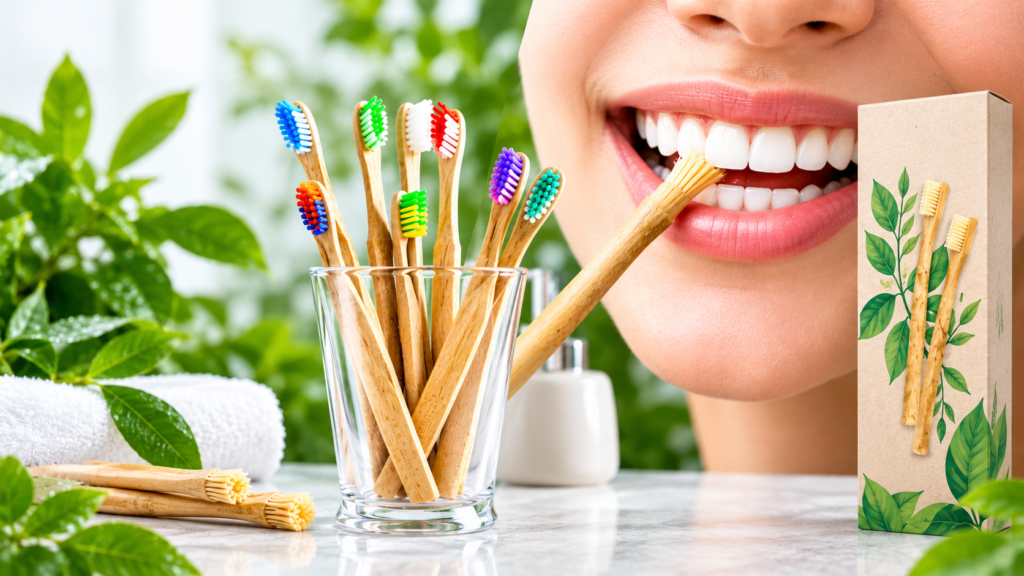
Manufacturers often use fast-growing, renewable resources to make these brushes. Bamboo is the most common handle choice because it grows quickly and has natural antimicrobial properties.
- Bamboo: Highly sustainable and compostable.
- Castor Bean Oil: Used to create plant-based nylon bristles.
- Wood: Often sourced from FSC-certified forests.
- Bioplastics: Derived from corn starch or sugarcane.
How Natural Toothbrushes Differ From Plastic Handles
Traditional toothbrushes usually use polypropylene and nylon, which can take hundreds of years to break down in landfills. In contrast, a natural toothbrush uses materials that return to the earth more easily.
Plastic handles are durable and cheap to make, but they add greatly to global plastic pollution. Sustainable choices offer similar cleaning while keeping your daily routine from leaving a lasting mark on nature.
| Material Type | Sustainability | Disposal Method |
| Bamboo Handle | High | Compostable |
| Nylon Bristles | Low | Landfill/Recycle |
| Plant-based Plastic | Medium | Industrial Compost |
What “Natural” and “Biodegradable” Really Mean
Separate real sustainability from vague marketing claims. A product labeled a natural toothbrush may still contain parts that are not fully biodegradable.
Bamboo brushes still use nylon bristles, which you must remove before composting the handle. Check the packaging for disposal instructions, so you handle the brush responsibly.
7 Benefits of Using a Natural Toothbrush
Exploring the benefits of a natural toothbrush shows how small changes can shape your daily life. Any brush supports dental health, but an eco-friendly choice offers value beyond basic cleaning. These natural toothbrush benefits help match daily habits with personal values.
It Helps Reduce Plastic Waste
Traditional brushes often reach landfills, where they can remain for centuries. A plastic-free toothbrush cuts the synthetic waste your household creates. This simple change keeps non-biodegradable materials away from oceans and ecosystems.
It Uses More Renewable Materials
Many natural brushes use bamboo or other fast-growing plant fibers for their handles. These materials renew quickly and need fewer chemicals than petroleum-based plastics during growth. Using them supports a more circular economy.
It Can Support a Lower-Waste Oral Care Routine
Choosing a natural brush can open the door to a more mindful lifestyle. When you choose sustainable tools, you notice other bathroom items more closely. This shift encourages refillable or compostable choices for your entire dental kit.
It Provides Effective Everyday Cleaning
You do not need to trade performance for sustainability. A well-designed natural brush removes plaque and food particles as well as plastic brushes. Your brushing technique and bristle quality remain key to success.
It Offers a Comfortable Brushing Experience
Many users find bamboo handles comfortable and easy to grip. These natural toothbrush advantages include a lightweight feel that grounds your morning routine. Wood or bamboo can also feel soothing during use.
It Encourages More Responsible Product Choices
Switching to these products makes you examine your purchases more closely. You begin looking for certifications and clear manufacturing processes. This habit helps you avoid greenwashing and support ethical brands.
It Can Make Sustainable Habits Easier to Maintain
Consistency supports every healthy routine. These brushes are widely available and easy to use, making sustainability part of your day. You can keep your eco-friendly goals without changing your entire life.
| Benefit Category | Primary Impact | User Experience |
| Environmental | Reduced plastic waste | Positive contribution |
| Material | Renewable resources | Natural, tactile feel |
| Performance | Effective plaque removal | Reliable daily cleaning |
| Lifestyle | Sustainable habit building | Simple, consistent routine |
Types of Natural Toothbrushes and Their Materials
Choosing an eco-friendly toothbrush offers materials that can lower your environmental impact. The brush’s sustainability depends on its handle and bristles, not the handle alone.
Bamboo Toothbrushes
The bamboo toothbrush is popular with people leaving conventional plastic behind. It is often sold as a biodegradable toothbrush because its handle can be composted after bristles are removed.
Key bamboo toothbrush benefits include a fast-growing, renewable resource that needs little water. This choice greatly reduces virgin plastic entering landfills each year.
Natural Bristle Toothbrushes
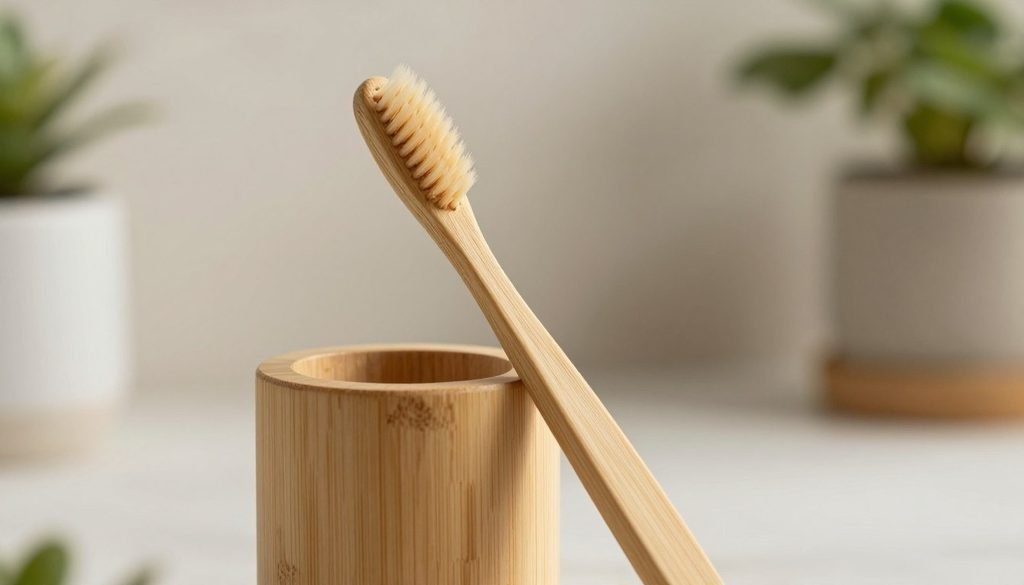
A natural bristle toothbrush often uses castor bean oil or fibers from animals. These options aim to provide a fully organic daily cleaning routine.
These bristles are often compostable but may feel different on your gums than synthetic ones. You should carefully consider your sensitivity levels when choosing these brushes.
Plant-Based Bioplastic Toothbrushes
Some manufacturers make handles from plant-based bioplastics derived from cornstarch or sugarcane. These materials feel like traditional plastic while using renewable farm byproducts.
These brushes suit people who prefer a standard handle but want to avoid petroleum-based plastics. Always check the manufacturer’s instructions to learn whether the bioplastic needs industrial composting or special disposal.
How Handle and Bristle Materials Affect Sustainability
Your brush’s true impact depends on its entire product lifecycle. Even a sustainable bamboo handle may have nylon bristles, which do not biodegrade.
You must separate the components before disposal so the handle can return to the earth. By checking both parts, you can make a responsible choice that fits your sustainability goals.
Natural Toothbrush vs. Traditional Plastic Toothbrush
A natural toothbrush comparison shows clear differences in how daily oral care tools are made and discarded. Plastic brushes have led the market for decades, but newer choices offer another hygiene approach. These differences help you choose based on personal values and dental needs.
Handle Materials and Durability
Traditional plastic handles usually use petroleum-based polypropylene, which is light and very durable. In contrast, a sustainable toothbrush often has a handle made from bamboo or other plant-based materials. Bamboo is naturally antimicrobial and sturdy, but it needs proper care to prevent moisture buildup.
You must keep your bamboo handle dry between uses to protect its strength. Unlike plastic, which can last forever in a damp setting, wood-based handles eventually biodegrade in standing water. This makes brush care important for its total lifespan.
Bristle Performance and Available Firmness Levels
Most brushes use nylon bristles to remove plaque, whatever the handle material. Some brands use castor bean oil-based bristles, but these work like standard synthetic options. An environmentally friendly toothbrush offers the same firmness choices as traditional models: soft, medium, and firm.
- Soft: Recommended by most dentists for gum health.
- Medium: Provides a balance between cleaning power and comfort.
- Firm: Useful for some, but can be abrasive if used with too much pressure.
Environmental Impact During Production and Disposal
The environmental footprint of a toothbrush includes more than its handle. While a sustainable toothbrush cuts plastic waste, you must consider the product’s entire life cycle. This includes manufacturing energy, packaging materials, and the carbon footprint of shipping.
Disposal also creates a special challenge. Even with a compostable handle, you often must remove synthetic bristles before composting it. This extra step trades convenience for less long-term plastic pollution.
Cost, Convenience, and Availability
Traditional plastic brushes are very affordable and sold in nearly every grocery store or pharmacy. An environmentally friendly toothbrush may cost more because of smaller production scales and natural material costs. These choices may also be easier to find online than in local brick-and-mortar shops.
| Feature | Plastic Brush | Natural Brush |
| Handle Material | Petroleum Plastic | Bamboo/Plant-based |
| Durability | High | Moderate (needs drying) |
| Availability | Very High | Moderate |
Ultimately, your choice depends on your willingness to change your routine. Plastic offers unmatched convenience. Choosing a natural alternative is a meaningful step toward reducing your personal plastic consumption.
How Natural Toothbrushes Support Oral Hygiene
You may wonder whether a natural toothbrush will affect your daily oral health benefits. These brushes can work as well as plastic ones when you use them correctly. Choose good materials and habits to protect your smile while reducing your environmental footprint.
Cleaning Plaque and Food Particles Effectively
A high-quality natural toothbrush removes plaque and trapped food particles from your teeth. Bristle density and placement help scrub debris from hard-to-reach areas. Well-designed bristles help keep your oral health benefits steady each day.
Choosing Soft Bristles for Gentle Gum Care
Protecting your gums matters as much as cleaning your teeth. Many natural brushes have soft, plant-based or nylon bristles that are gentle on sensitive gum tissue. Soft bristles can help prevent these problems:
- Enamel erosion caused by overly aggressive scrubbing.
- Gum recession that can lead to increased tooth sensitivity.
- Irritation of the soft tissues inside your mouth.
Why Brushing Technique Matters More Than the Handle
Your technique matters more than the handle material. Whether you use bamboo or wood, brush movement shapes your oral health benefits. Brush gently for two minutes, using circular motions across every tooth surface.
When a Natural Toothbrush May Not Meet Your Dental Needs
Natural brushes suit most people, but they may not fit every dental need. If you have dental conditions, ask your dentist before making a permanent switch. You may need a specialized design for:
- Orthodontic appliances like braces or permanent retainers.
- Advanced gum disease or recent oral surgery.
- Specific sensitivity issues that require a dentist-recommended bristle type.
Follow professional dental advice so your oral health benefits are never compromised. Your dentist can tell you whether a natural brush fits your dental needs.
How to Choose the Right Natural Toothbrush
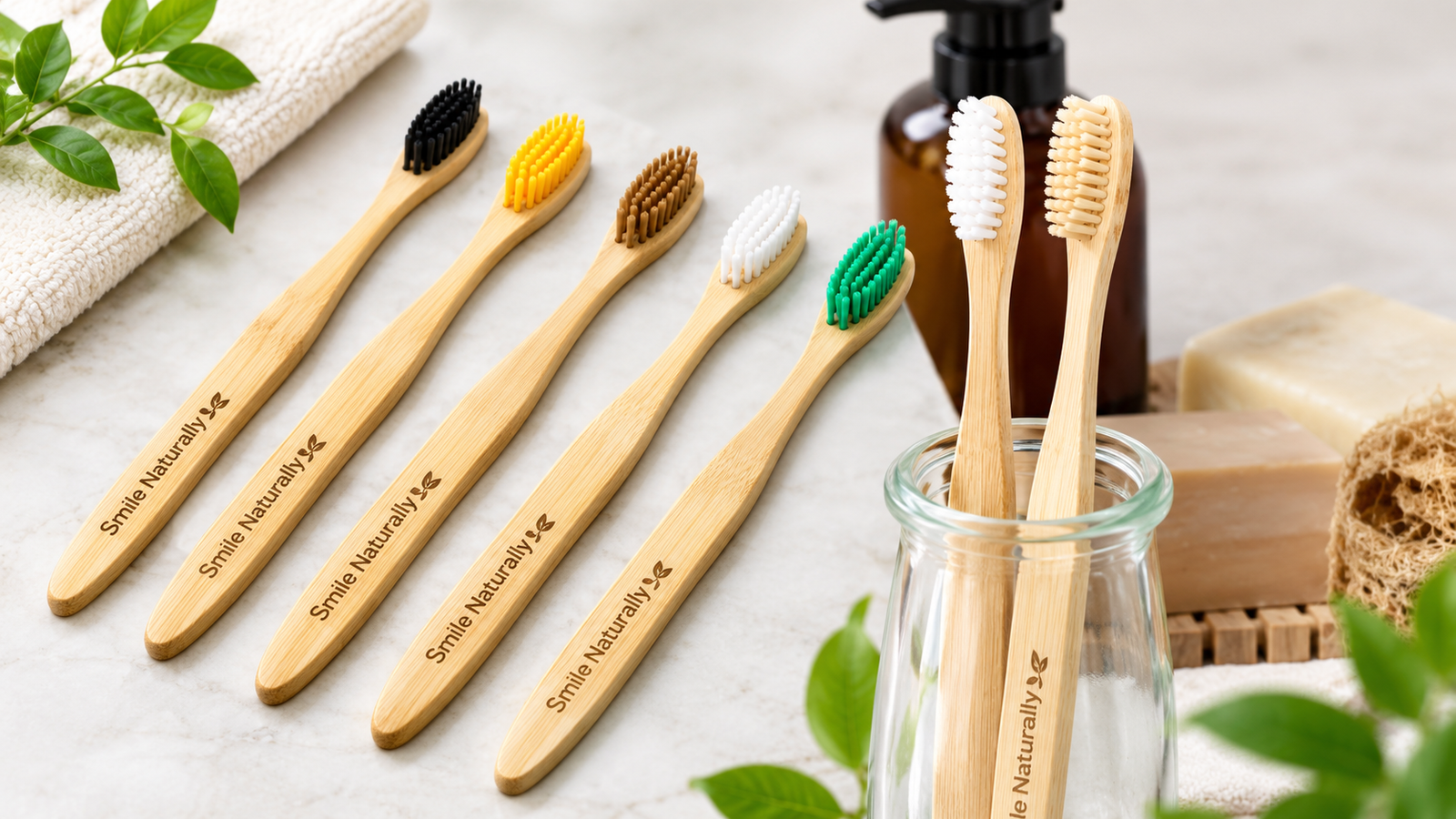
Choosing the right eco-friendly toothbrush means balancing your dental needs with care for the planet. Many brushes exist, but not every one fits your mouth or brushing style. Check each feature to protect your hygiene and support your sustainability goals.
Check the Bristle Type and Firmness
Most dental professionals recommend soft bristles to protect enamel and gum tissue. When choosing a natural brush, check that the bristles feel gentle but remove plaque well. Avoid bristles that feel too stiff, since they may irritate gums or cause recession.
Select a Comfortable Handle Shape and Size
A brush works best when you can control it easily. Choose a handle that fits your palm and helps you reach your back molars. Pick a slim, rounded handle or wider ergonomic grip that feels safe during your two-minute routine.
Look for Responsible Material and Packaging Claims
When buying an eco-friendly toothbrush, look beyond broad claims such as “green” or “natural.” Choose brands with transparent information about handle and bristle materials. Also choose plastic-free, compostable, or recyclable packaging to reduce total waste.
Consider Your Oral Health Needs and Dentist’s Advice
Your dental health comes first when you choose any oral care tool. If you have sensitive teeth, braces, or gum concerns, ask your dentist before switching. They can tell you whether a specific eco-friendly toothbrush fits your dental needs.
How to Use and Care for a Natural Toothbrush
Your path toward sustainable oral hygiene starts with learning how to use and store your new brush. Though its materials differ from plastic brushes, basic dental care rules stay the same. Follow simple care steps to keep the brush clean and useful throughout its lifespan.
Use Gentle Pressure and a Two-Minute Brushing Routine
Good cleaning does not need hard scrubbing. Use gentle pressure to protect your enamel and gums while removing plaque. Brush for two minutes, twice daily, to maintain optimal dental health.
A steady routine matters most. Take your time so the bristles reach every tooth surface. This gives a full clean without needless wear on the brush head.
Rinse and Air-Dry the Brush After Each Use
Good care supports sustainable oral hygiene. After each session, rinse your toothbrush well under clean water to remove toothpaste and debris. This habit prevents buildup and keeps the bristles in good condition.
After rinsing, shake off extra water and let the brush air-dry fully. Natural materials like bamboo are porous, so drying between uses is vital to prevent mold or mildew.
Store It Away From Standing Water and Shared Brushes
Your toothbrush’s location matters as much as how you use it. Store it upright in a well-ventilated area. Do not keep it in a cup where water pools at the base; this may soften the handle.
Keep your brush separate from others to help prevent cross-contamination. A clean, dry space best supports your sustainable oral hygiene goals.
When to Replace the Brush
Replace your toothbrush every three months, or sooner if its bristles fray. Visible wear shows the brush may no longer clean your teeth well. If you have been ill, switch to a fresh brush to avoid lingering bacteria.
Follow your dentist’s specific advice for your dental needs. If bristles flatten or become damaged before three months, replace the tool to maintain the highest standards of oral care.
How to Dispose of a Natural Toothbrush Responsibly
Responsible disposal is the final step in a sustainable oral care routine. With a zero-waste toothbrush, you manage the product from use through disposal. These simple steps help protect the environment after your brush wears out.
Separate the Bristles From a Bamboo or Wood Handle
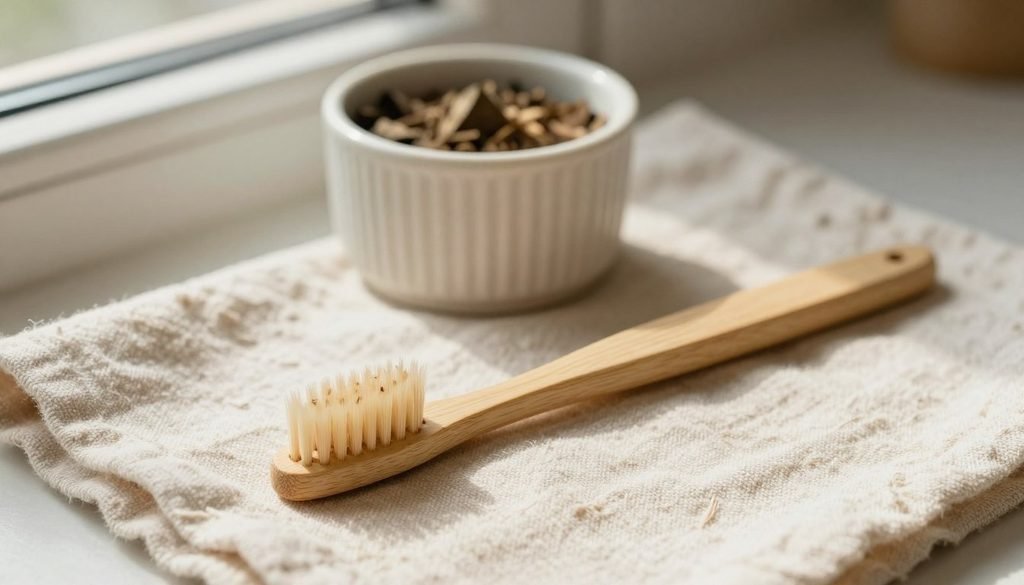
Most bamboo handles can go in compost, but bristles usually cannot. Use pliers to pull the bristles from your zero-waste toothbrush head. This separates organic material from synthetic parts for cleaner disposal.
Reuse or Repurpose the Handle Before Disposal
Before composting the handle, consider giving it a second life. Many people use these handles as garden markers for herbs or tools for tight spaces. Reusing your zero-waste toothbrush handle helps make the most of its materials.
Confirm Local Composting and Recycling Requirements
Composting rules vary by city or town. Check with your local waste facility about bamboo in its industrial composting programs. Some areas may require smaller handle pieces to speed decomposition.
Dispose of Nonbiodegradable Bristles Properly
Do not put the entire brush in your backyard compost pile. Place nylon bristles from your zero-waste toothbrush in regular trash unless your local recycling center accepts them. Separating the parts keeps synthetic material from contaminating compost or the local environment.
Potential Drawbacks to Consider Before Switching
Switching to a sustainable lifestyle is admirable, but consider the drawbacks of a biodegradable toothbrush first. New materials may need adjustment, and products may not suit your preferences or local waste systems.
Natural Bristles May Have Different Texture and Performance
Many eco-friendly brushes use castor bean oil or other plant-based materials for their bristles. These may feel slightly different from the synthetic nylon bristles you know. Some users find natural bristles firmer or less flexible, affecting pressure during cleaning.
Bamboo Handles Require Proper Drying and Storage
Unlike plastic, bamboo is a porous, organic material. Bamboo may grow mold or soften if left in water or a damp holder. To keep it in good condition, you must wipe it dry after each use, then store it in a well-ventilated area.
Not Every “Eco-Friendly” Brush Is Fully Biodegradable
It is a common misconception that every biodegradable toothbrush is 100% compostable. Many brands use bamboo handles but still rely on nylon bristles, which are not biodegradable. Check the packaging to learn whether the whole product can be composted. If not, see which parts you must remove before disposal.
Some Options Cost More or Are Harder to Find
Sustainable oral care products often cost more because of raw materials and ethical manufacturing. You may not find these items at your local corner store. You may need to order online or visit specialty health food shops. This is less convenient than buying a standard brush during your weekly grocery run.
People With Specific Dental Needs May Need Specialized Designs
With gum disease, sensitive teeth, or orthodontic appliances, clinical effectiveness should come first. Before switching, consider the following:
- Consult your dentist about whether a natural bristle type is appropriate for your enamel.
- Ensure the brush head size allows you to reach difficult areas in your mouth.
- Prioritize professional recommendations over general sustainability trends if you have active dental issues.
Ultimately, your oral health is the most important factor. If dental hygiene requires a specific design, do not feel pressured to switch. Any alternative must meet your medical needs.
Making a Practical and Responsible Natural Toothbrush Choice
Choosing sustainable oral care means balancing your needs with environmental impact. Choosing eco-friendly dental care helps, but your brush must still meet your dental needs. A brush that helps the earth but cleans poorly cannot support your long-term health.
Balance Oral Care Performance With Environmental Goals
Consider how the brush feels in your hand and how its bristles touch your gums. Many green toothbrush perks include less plastic waste, but cleaning quality must come first. Always Prioritize your dentist’s recommendations for bristle firmness and head size to support good oral hygiene.
Durability also matters. A handle that breaks or wears out quickly may require more replacements and reduce your environmental gains. Choose materials with a sturdy, comfortable grip that lasts through the recommended three months of use.
Prioritize Transparent Materials and Disposal Instructions
Real sustainability starts with clear information from the maker. Choose products that list handle materials, such as sustainably harvested bamboo or plant-based bioplastics. Transparency is essential for knowing what enters your mouth and how the handle will break down.
Check the package for realistic disposal instructions. Responsible brands offer clear guidance about separating bristles from the handle and whether parts are compostable or recyclable. Without these details, you may not know whether the brush will end up in a landfill.
Use Packaging, Certifications, and Manufacturer Guidance Carefully
Certifications can help, but they should not replace your own careful product review. Seek labels that verify material sources, then read details about the whole supply chain. Packaging choices, such as soy-based inks or plastic-free boxes, can show a brand’s environmental commitment.
Treat manufacturer guidance as a starting point, not the final word. Combine it with your research to enjoy the green toothbrush perks while protecting your dental health. An informed choice can match your values with daily habits without harming your smile.
Conclusion
Switching to a sustainable dental routine offers a simple way to reduce your environmental footprint. You gain significant natural toothbrush benefits by choosing materials that minimize plastic waste and support renewable resources.
These tools provide effective cleaning power while encouraging responsible daily habits. Natural toothbrush advantages reach beyond the environment, encouraging a more mindful approach to personal hygiene.
Success with these products relies on your ability to select the right bristle firmness for your gums. Proper maintenance, such as keeping your brush dry between uses, ensures the longevity of your handle.
Always check the packaging for clear disposal instructions to ensure you handle the components correctly. Brands like Brush with Bamboo or Humble Co. offer clear guidance for composting or recycling their materials.
Prioritize your unique dental needs when browsing for your next purchase. A comfortable, high-quality brush helps you maintain a healthy smile while protecting the planet for the future.
FAQ
What exactly is a natural toothbrush and how does it work?
A natural toothbrush is an eco-friendly dental tool replacing traditional petroleum-based plastic brushes. Models from Brush with Bamboo and The Humble Co. use FSC-certified bamboo, sustainably sourced wood, or plant-based bioplastics. They work like standard brushes while using materials with less impact during production and disposal.
What are the primary 7 benefits of using a natural toothbrush?
The 7 benefits of using a natural toothbrush include: 1. Significant reduction in plastic-free toothbrush waste in landfills and oceans. 2. Renewable materials like bamboo, which grows rapidly without pesticides. 3. Support for a zero-waste toothbrush lifestyle. 4. Effective daily cleaning that rivals traditional plastic models. 5. A comfortable, ergonomic brushing experience. 6. More responsible product choices and consumer transparency. 7. Easier, long-term sustainable habits in your daily routine.
Is a bamboo toothbrush better for your teeth than a plastic one?
Clinically, bamboo toothbrush benefits for cleaning match those of plastic brushes. Oral health depends more on brushing technique and bristle quality than handle material. Soft, high-quality bristles from Public Goods or Mable brushes can remove plaque well and offer a smaller carbon footprint.
Are natural bristle toothbrushes actually biodegradable?
Materials vary, so check the manufacturer’s guidance about the entire product and separate components. A natural bristle toothbrush with boar hair is fully biodegradable, but its firm bristles may hurt sensitive gums. Many eco-friendly brushes use castor bean oil for bio-based nylon, which beats petroleum nylon but needs specialized recycling.
How does a natural toothbrush comparison look in terms of cost and durability?
A natural toothbrush comparison may show sustainable toothbrushes cost slightly more than generic plastic multipacks. However, Hello Oral Care makes environmentally friendly toothbrushes more affordable and available in mainstream stores. A bamboo toothbrush lasts the recommended three months if its handle air-dries properly between uses, preventing moisture buildup.
Can I use an eco-friendly toothbrush if I have sensitive gums or braces?
Yes, but choose carefully: seek a comfortable handle and soft or extra-soft bristles. If you have specific dental hardware like braces or gum disease, consult your dentist. Your dentist may recommend sustainable oral hygiene brands meeting rigorous American Dental Association (ADA) standards.
What is the best way to dispose of a zero-waste toothbrush?
Remove the bristles with pliers, then compost the bamboo or wooden handle or reuse it as a garden stake. Most bristles are not home-compostable; send them to TerraCycle or place them in general waste. This key part of the benefits of a natural toothbrush keeps most of the product out of the waste stream.
Do natural toothbrushes require special maintenance?
Because bamboo is porous, rinse your sustainable toothbrush after each use and store it upright in a dry area. Avoid sink puddles, which can soften or discolor wood, and keep it hygienic throughout its lifespan.