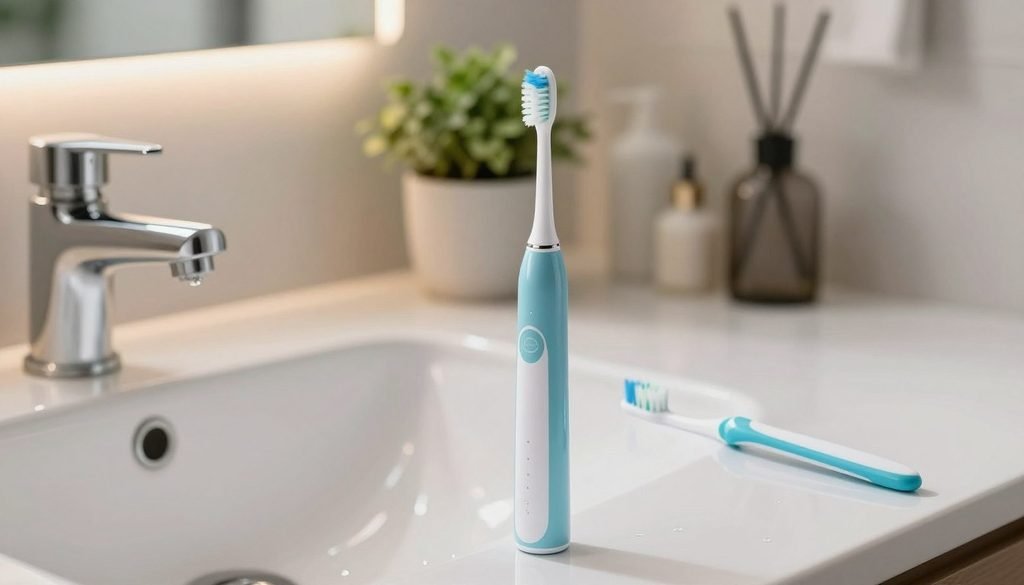
Electric toothbrushes can offer benefits over manual ones for plaque and gingivitis reduction. However, if you make the most of your manual toothbrush you can achieve just as good results. If you aren’t covering all areas of your teeth consistently, the type of toothbrush may not matter as much. If you are brushing your teeth consistently every day you can achieve good oral, gum and teeth health.
Overall, you may find one type is more comfortable, easy to use and keeps you motivated. Powered toothbrushes will move the head, whereas manual ones will require manual movement. This will help you decide which will give you the best results, be easy to use and offer good features.
Key Takeaways
- On average powered toothbrushes will reduce plaque and gingivitis more.
- Manual toothbrushes can give good results if used consistently and carefully.
- Timers and pressure sensors may help some people.
- Children will require a suitable brush for their age and support from carers.
- Consider the cost of replacement heads.
- The correct choice will be the one that helps you be consistent.
Are Electric Toothbrushes Better Than Manual?
On average powered toothbrushes will cause more plaque and gingivitis reduction than manual ones. However, it is unclear how clinically significant this difference is. Longer studies showed a greater reduction on average. However, this doesn’t indicate how much you will notice individually.
According to a Cochrane review there were 56 randomised trials. Of these 51 (4624 participants) were used for meta-analysis. Overall powered toothbrushes reduced plaque by 11% after 1-3 months and 21% after >3 months.
Although Overall on average there are benefits, this does not mean that all powered toothbrushes will give you better results. The length of the study, how consistently you are brushing and the design of the brush can all impact your results.
What the longer-term comparison shows
Those averages suggest a benefit, but they do not show that every powered toothbrush will work better for every person. Study length, brushing habits, and the brush design can all shape results.
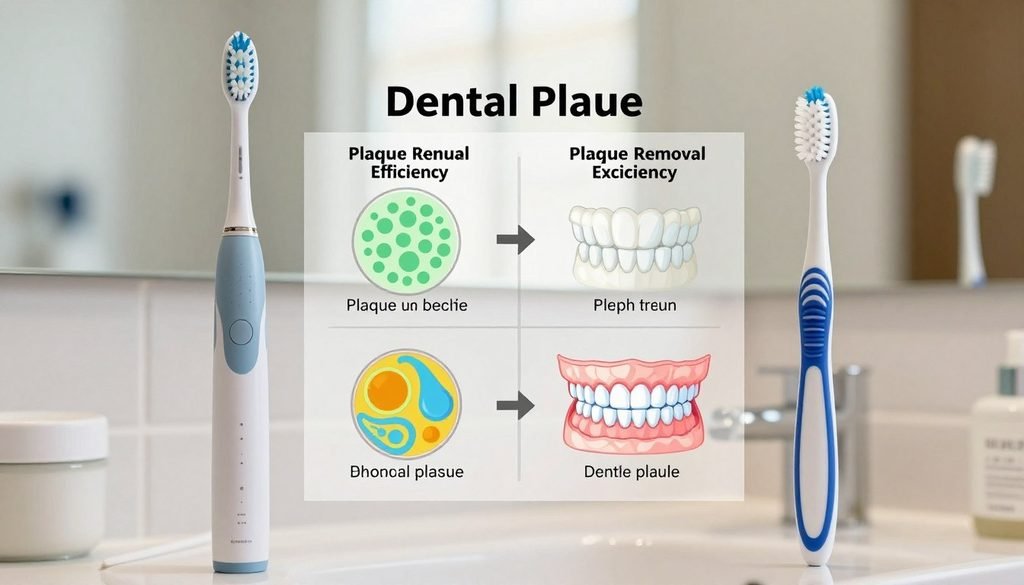
Treat a group-level ranking as a guide to likely performance, not a promise of a noticeable individual result.
How technologies rank in comparative trials
A network meta-analysis was carried out in 2026 comparing different technologies. The oscillating rotating toothbrush performed best for reducing plaque. Followed by sonic, ultrasonic, other electric and manual.
| Technology | Plaque ranking | Gingivitis ranking |
| Oscillating-rotating | 1st | Highest |
| Sonic | 2nd | Similar sequence; exact rank not stated |
| Ultrasonic | 3rd | Similar sequence; exact rank not stated |
| Other electric | 4th | Similar sequence; exact rank not stated |
| Manual | 5th | Similar sequence; exact rank not stated |
Gingivitis followed a similar trend. In a 4 week trial adults with gingivitis were mostly using manual toothbrushes. Those using oscillating rotating toothbrushes in sensitive or daily clean mode had significantly more reduction in plaque and gingivitis after 1 and 4 weeks.
There was a 20% transition from gingivitis to healthy gums with manual brushing, 46.7% with sensitive mode and 60% with daily clean mode. This is a useful comparison but doesn’t guarantee results in your mouth.
Why Some People May Find Electric Toothbrushes Easier
If you struggle with dexterity, dental appliances or your young child isn’t brushing consistently then an electric toothbrush can help. The ADA states those with dexterity issues such as children, elderly and disabled individuals may find electric toothbrushes easier to use. As there is less manual movement required.
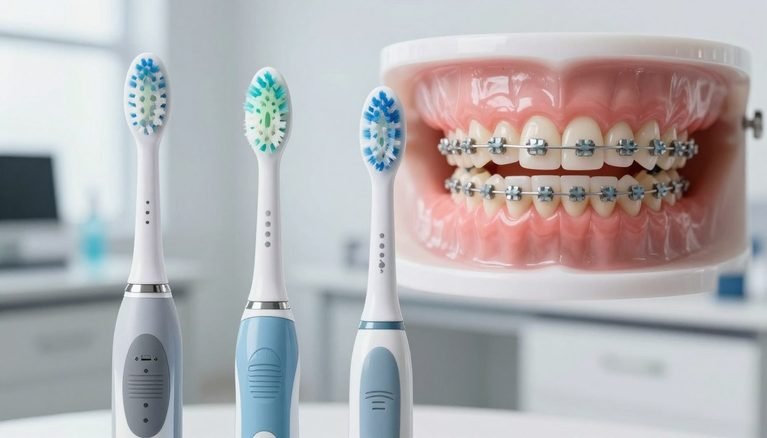
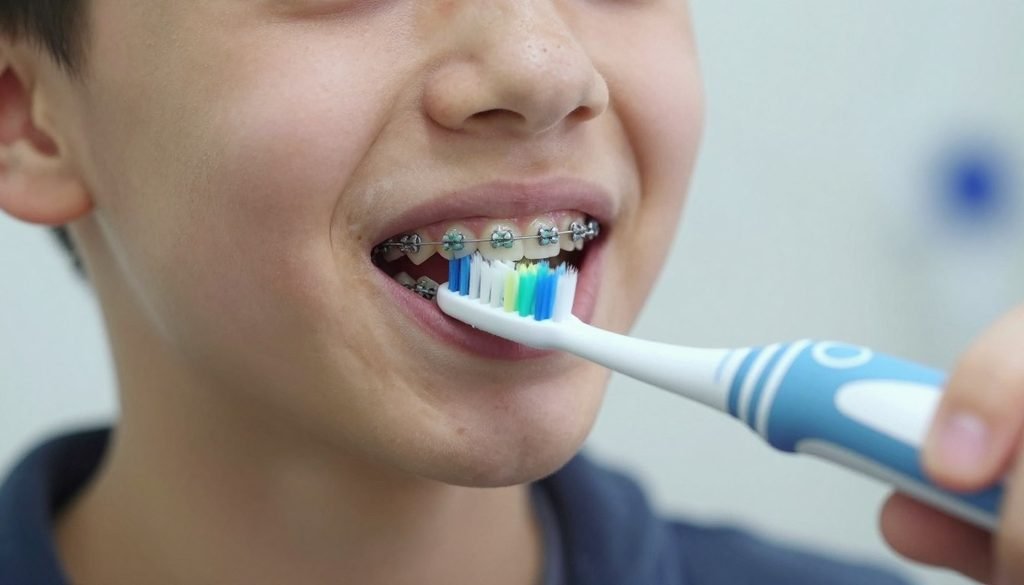
Those with braces or other dental appliances may find an electric toothbrush easier. The brush will help you manoeuvre around wires and brackets. However, you will still need to ensure you cover all areas carefully. Ask your dentist or hygienist for help choosing a suitable brush.
Dexterity limits and dental appliances
If you struggle to hold the brush due to a light grip or lack of manual movement then a small manual brush can be difficult to control. The powered head will do more of the brushing for you. However, you will still need to reach all your teeth.
Helping Children Get Into A Routine
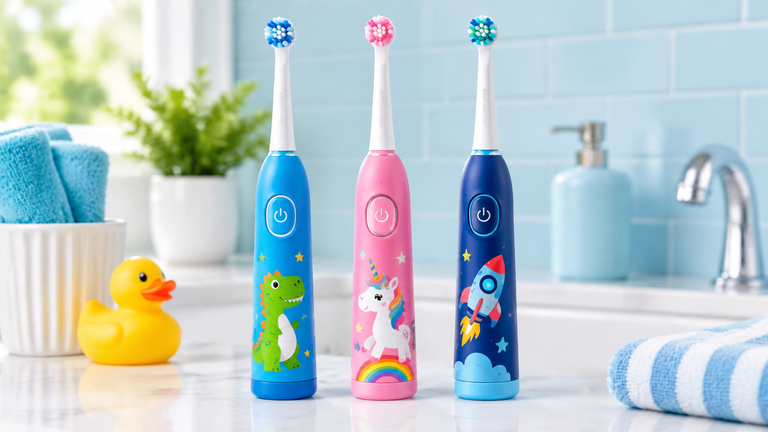
The ADA recommends starting as soon as your child’s first tooth has appeared. This can be as early as 6 months old. Use a small brush with soft bristles.
Caregivers should help or supervise until they can spit out the excess toothpaste. Under 3 years old use a smear of fluoride toothpaste, about the size of a grain of rice. From 3 years use a pea sized amount.
A small brush will help you reach your infant’s teeth easily without overcrowding. Let them hold the brush when they’re ready. Guide them through the cleaning process and ensure they don’t use too much toothpaste for their age.
Children will learn the routine by practicing. Keep the brushing calm and short. Ensure the brush fits in their mouth and the caregiver is close by until they can reliably spit.
How Can I Brush Effectively With Either?
Both toothbrushes will give you the best results if you brush for 2 minutes twice a day with a soft bristled brush and fluoride toothpaste. Gently cover all your teeth. The ADA recommends brushing twice a day for 2 minutes.
Angle the bristles at a 45 degree angle to your gum line. This will help you clean where your teeth meet your gums.
Brush With Fluoride
Brush with fluoride toothpaste and ensure you spend enough time on all areas of your mouth. 2 minutes can take longer than you expect so using a timer can help.
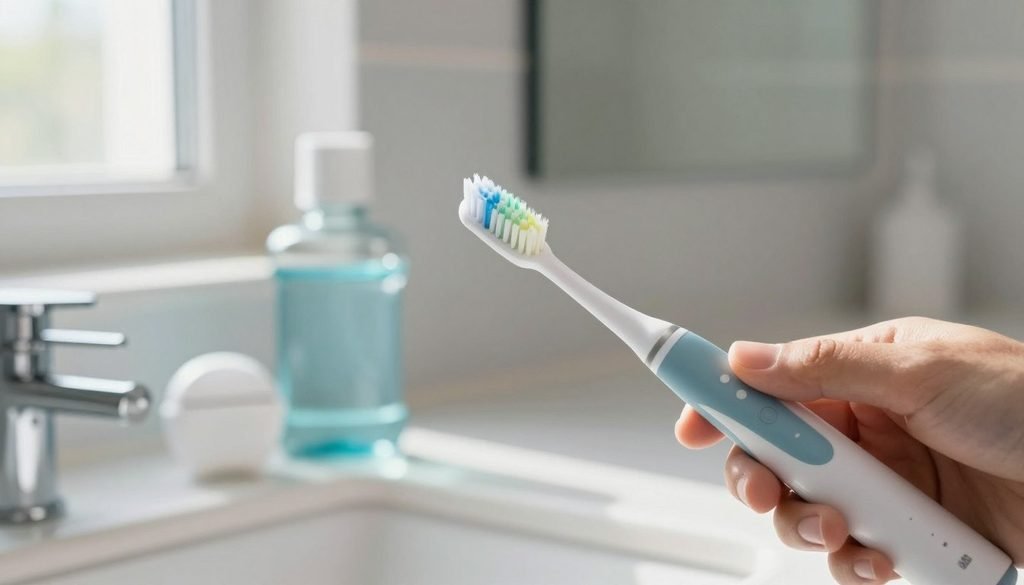
Ensure you clean the outside, inside and biting surfaces of your teeth. Move around your mouth in a consistent manner.
Adjusting your motion for a manual or electric brush
With a manual toothbrush, use gentle, short strokes or small circles. Let the bristles do the cleaning, and move along the gumline and tooth surfaces without harsh scrubbing.
With an electric toothbrush, guide the head slowly from tooth to tooth. Let it rest against each area long enough to clean, rather than copying the back-and-forth motion used with a manual brush.
Use this quick check as you brush:
- Reach the outer surfaces of your teeth.
- Clean inner surfaces and chewing surfaces.
- Include the gumline as you move around your mouth.
- Use a timer to complete two minutes, without scrubbing with an electric brush.
Occasionally check the bristles. If they are spreading quickly then reduce the pressure you are applying.
What Features Will Help Me Be Consistent?
A timer and pressure sensor will be useful if you struggle to know how long to brush or how hard to press. Choose a toothbrush with a timer and pressure sensor.
Many electric toothbrushes will give you a signal every 30 seconds to remind you to move to a different quadrant of your mouth. This can help ensure you spend equal amounts of time on all areas.
Timer & Pressure Sensor
A timer will let you know when you’ve finished brushing for 2 minutes. A pressure sensor will let you know if you’re pressing too hard. This can help you adjust your hand.
Some toothbrushes will give you a visual, sound or vibrating signal. Choose a toothbrush that will give you a signal you can notice but won’t distract. Choosing a simple signal may make it easier to follow.
Battery life
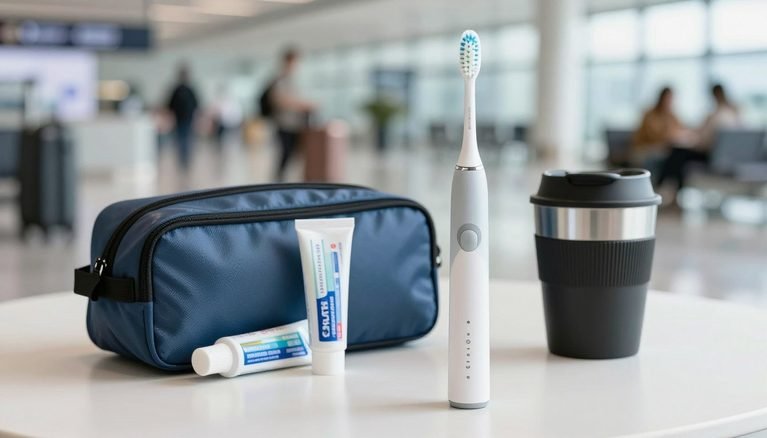
If you travel a lot then the battery life will be more important. Consider a toothbrush that will last a month or more.
This can help reduce the need to take a charger with you on shorter trips. How you plan to travel and charge will be more important than having lots of features.
A timer can also help if you’re feeling rushed in the morning. The quadrant signal will remind you to move areas. The pressure sensor will let you know if you’re pressing too hard.
Think about the features you will actually use. A pressure sensor is there to remind you to reduce the pressure.
Costs
U.S. electric-toothbrush price bands listed for October 2026 range from under $60 to over $150, with replacement heads adding an ongoing cost. Price bands give you a quick way to compare the initial cost. Electric toothbrushes under $60 are in the $ tier, $60 to $150 are $$, and over $150 are $$$.
The cost of replacement brush heads also affects what you spend over time. Battery life can be another useful point of comparison, especially if you travel often.
U.S. price bands
These price tiers group electric toothbrushes by listed U.S. prices for October 2026. A higher tier does not, on its own, show which model suits your routine or budget.
Replacement Heads
Toothbrushes and replacement electric heads should be replaced every 3-4 months. If the bristles look obviously matted or frayed then replace sooner.
| Model | Battery life | Replacement-head cost |
| SURI Pro 2.0 | 38 days | $6 each |
| Philips Sonicare 5950 | 46 days | $8 each |
| Oral-B iO3 | 17 days | $8 each |
The SURI Pro 2.0 has a battery life of 38 days. Replacement heads cost $6. The Philips Sonicare 5950 has a battery life of 46 days. Replacement heads cost $8. The Oral-B iO3 has a battery life of 17 days. Replacement heads cost $8.
During product testing in the USA in 2026 the Oral-B iO Series 2 had a battery life of 28 days. It had a timer for 2 minutes and a pressure sensor.
The cost of the heads and how often you’ll need to charge can impact how much you spend on keeping your powered toothbrush working.
When Is A Manual Toothbrush A Good Choice?
If you’re already brushing consistently then a manual toothbrush will be a good choice. The ADA states both manual and powered toothbrushes can be effective. A manual toothbrush can be simple and easy to use in your daily routine.
A manual toothbrush is a practical choice if you’re brushing well and want to avoid charging. It is also easy to take with you when travelling.
Use these points to decide whether to keep your current brush or try another type:
- Keep the manual brush if your routine is consistent.
- Consider an electric brush if a timer would help you finish brushing.
- Choose a manual toothbrush when avoiding charging matters.
- Ask a dental professional if you are unsure whether your brushing is effective.
Your feelings when brushing and what your dental team can see during check-ups can also impact your decision. They can highlight areas that need more attention.
Conclusion
Choose whichever toothbrush will help you be the most consistent and careful. Both can help with your oral health if used effectively. Choose the one that suits you best.
Making a small change to your daily routine can help improve your gum health. Ask your dentist or hygienist to assess how you’re brushing and suggest any changes.
Ask for feedback on areas you may be missing at your next dental appointment.
FAQ
Will an electric toothbrush remove tartar?
No. An electric toothbrush will only remove plaque. Tartar generally needs to be removed professionally. Plaque is a soft film that builds up on your teeth. This can be removed by brushing. Once plaque has hardened into tartar it can’t be removed with a toothbrush. Your dental professional can clean your teeth during your appointment. Continue to brush daily to minimise plaque build up.
Can an electric toothbrush damage my enamel?
Yes. Applying too much pressure and using a hard bristled brush can cause wear to your enamel. Use a soft bristled brush and apply gentle pressure. Enamel is the hard outer layer of each of your teeth. A powered toothbrush won’t require any force to clean effectively. If you notice any wear, sensitivity or receding gums ask your dentist to check your brushing habits and teeth.
Do I still need to floss?
Yes. Floss or another suitable cleaner will still be required. Not all tight areas can be reached by a toothbrush. Clean between your teeth once a day using floss or an interdental cleaner that fits in your mouth. Ask your dental professional to help you choose a tool that will work well with your teeth.
What should I do if my gums bleed?
Continue to gently brush with a soft bristled brush. If they continue to bleed, ask for dental advice. Bleeding can occur if your gums are inflamed. If you stop cleaning completely then plaque may build up. Apply gentle pressure and clean along your gum line. If they continue to bleed, get worse or cause pain then contact your dentist for an examination and advice.
Do I need special toothpaste?
No. Use fluoride toothpaste. Fluoride will help protect your teeth from decay. It will work with both toothbrushes. Apply a small amount to the head of your brush and clean your teeth as normal. If you require sensitive toothpaste or something specific, ask your dentist.